
Chrysalis: the butterfly pupa and its transformation
A chrysalis is the hardened pupal stage of a butterfly during metamorphosis. It shelters the developing adult and shows adaptations for protection, camouflage, and seasonal dormancy.
Overview
A chrysalis is the pupal form of a butterfly, the stage between larva (caterpillar) and adult. Technically a type of pupa, a chrysalis is usually exposed and attached to a substrate by a silk pad and a cremaster rather than enclosed in a silk cocoon. The term comes from Greek roots referring to gold and brightness, reflected in the metallic or brightly colored appearance of some species' pupae; the word is related to the Greek for gold and has been used in scientific and popular descriptions for centuries.
Image gallery
10 Images




Structure and metamorphosis
Externally a chrysalis is a rigid case formed from the last larval skin and hardened cuticle. Inside, dramatic reorganization occurs: many larval tissues are broken down while imaginal discs — groups of undifferentiated cells present in the caterpillar — grow and differentiate into wings, legs, antennae and internal organs. This internal remodelling is complex and largely hidden until the adult emerges in a process called eclosion.
Life cycle context and behavior
Butterflies progress through egg, caterpillar, chrysalis and adult stages. The pupal period varies widely by species and environmental conditions, ranging from a short interval to several months when the chrysalis enters diapause to survive winter or drought. Many pupae hang head-down from leaves or stems, secured by a silk pad, while a few species pupate on or near the ground.
Adaptations and ecological roles
Chrysalides show an array of survival strategies: cryptic coloration to match their surroundings, structural shapes that mimic plant parts, and in some species metallic or iridescent patches that may startle or mislead predators. Because pupae are immobile and vulnerable, selection favors forms that reduce detection or that are seasonally timed to escape harsh conditions. Naturalists often study chrysalides to understand species distribution and life-history timing.
Distinctions and human interest
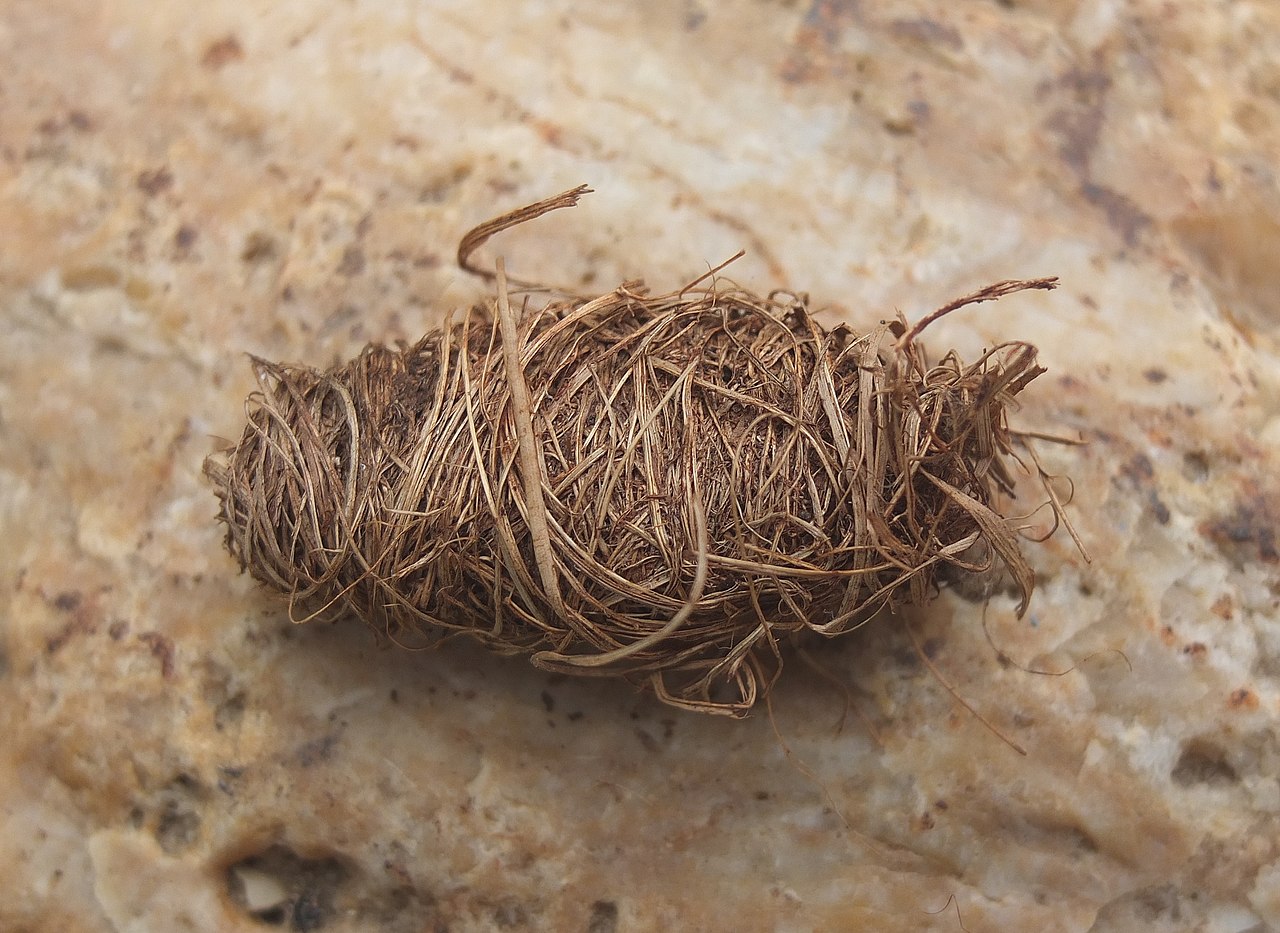
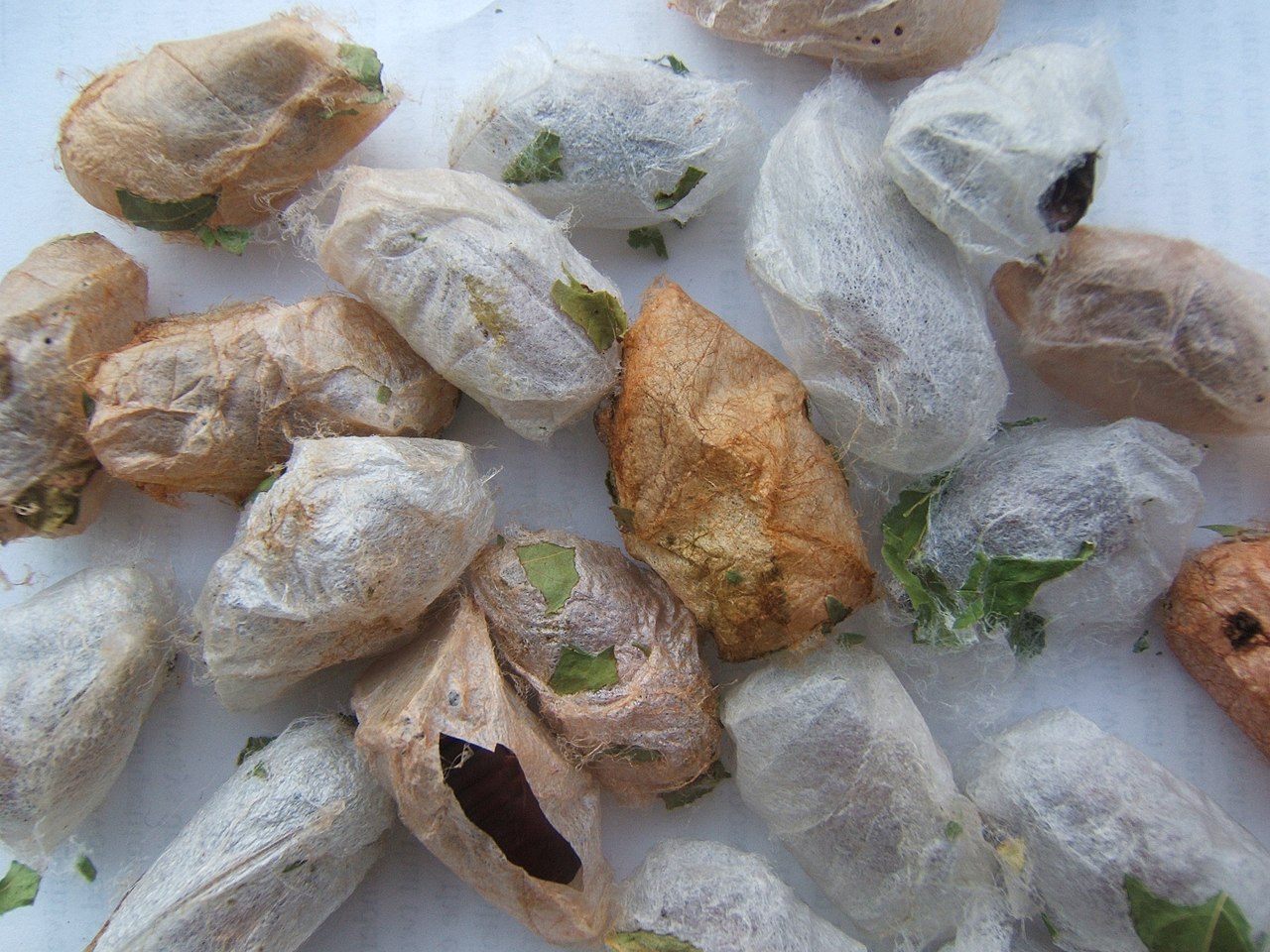
- Chrysalis vs cocoon: a chrysalis is an exposed butterfly pupa; a cocoon encloses a pupa (common in many moths).
- Visible ornamentation: some chrysalides are plain brown or green; others display spots or metallic sheen and are used as field identification clues.
- Culture and science: the chrysalis is a widely used symbol of transformation and is important in developmental biology research into metamorphosis.
For more on related terminology and life stages, see entries on butterflies and on the general pupal stage in insect development. Further resources and images are available through specialized entomology guides and field resources: consult linked material for illustrations and species-specific notes on pupal appearance and timing (golden and metallic examples are particularly striking).
Related articles
Author
AlegsaOnline.com Chrysalis: the butterfly pupa and its transformation Leandro Alegsa
URL: https://en.alegsaonline.com/art/20233