
Butterfly Gardening: Creating Habitat to Attract and Support Butterflies
Butterfly gardening designs outdoor spaces to attract, feed and support butterflies and moths by providing nectar plants, host plants, water, shelter and pesticide-free habitat.
Overview
Butterfly gardening is the deliberate design and plant selection of gardens, balconies, parks or wild spaces to attract butterflies and related species. Gardens created with butterflies in mind combine nectar sources for adults, host plants for caterpillars, and small-scale features like puddling areas, perches and sheltered sunny spots. Practiced by hobbyists, schools and conservation groups, it blends horticulture with wildlife habitat creation and public education.

Image gallery
10 Images




Key components
Successful butterfly gardens typically include a mix of elements that meet the different needs of life stages. The main components are:
- Nectar plants: Flowering species that provide accessible nectar throughout the growing season, often including zinnias, buddleia, asters, lantana and native wildflowers.
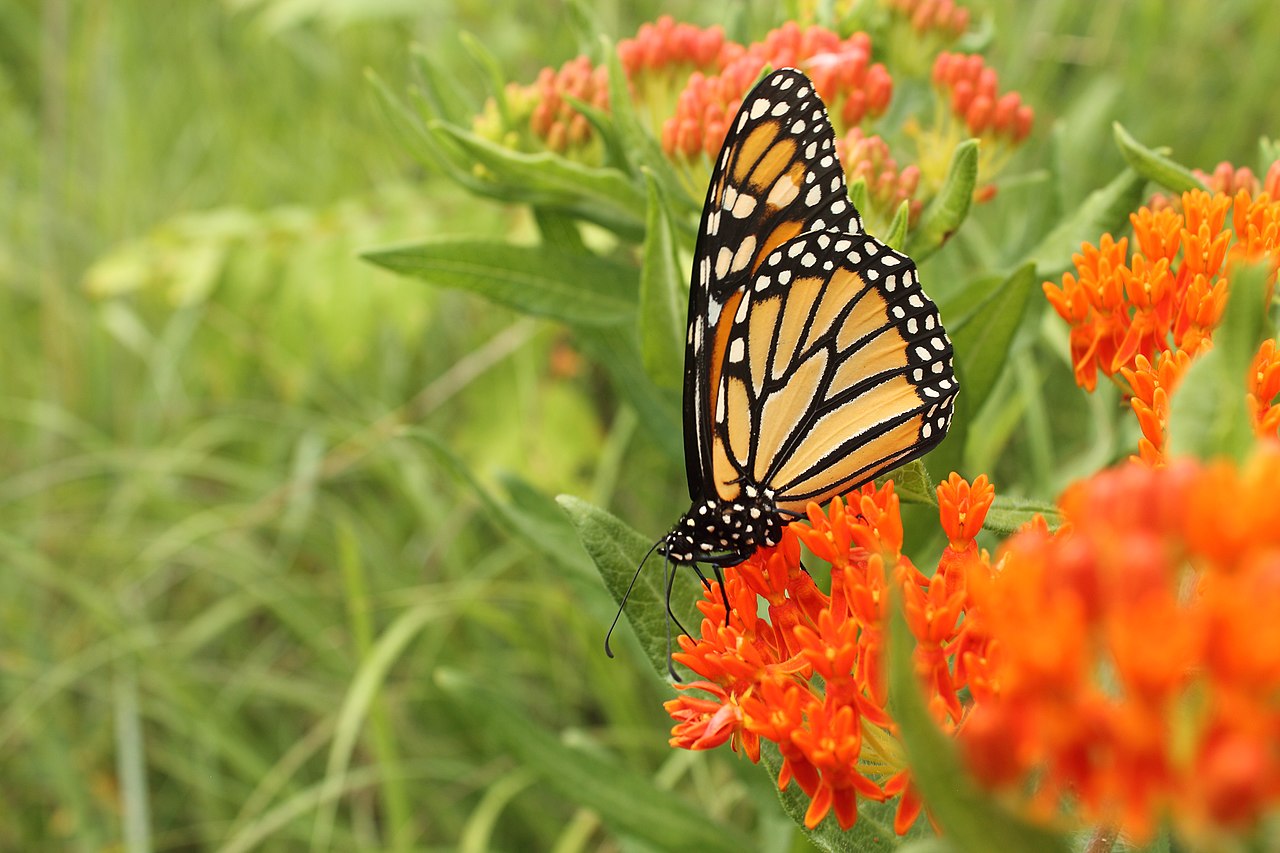
- Host plants: Specific plants where butterflies lay eggs and caterpillars feed—milkweeds for monarchs, parsley and fennel for some swallowtails, and nettles for several fritillaries.
- Water and puddling sites: Damp sand or shallow dishes offer salts and minerals that butterflies acquire through puddling behavior.
- Shelter and sun: Sunny spots for basking, windbreaks and low shrubs for roosting and protection from predators and weather.
- Pesticide-free maintenance: Avoiding insecticides and using habitat-friendly practices supports all life stages.

Practical tips and small features
Plant groups of the same species to create visual targets, stagger bloom times for continuous nectar, and include host plants even if they look messy to gardeners. Simple additions such as a shallow tray with wet sand or a rock that warms in the sun can increase attraction. Some enthusiasts add butterfly houses or logs for shelter, though these structures are supplementary and do not replace natural cover and host plants. For more guidance on designing habitat, see a practical resources page: design tips and plant lists.

History and conservation context
Interest in butterfly gardening grew alongside broader environmental movements in the late 20th century, as declines in pollinator habitat and public concern for species like the monarch became more visible. Gardeners, schools and conservation groups promoted native-plant gardening to address habitat loss and to connect people with local biodiversity. Community projects can be part of larger conservation efforts by creating stepping-stone habitats across urban and suburban landscapes. For species-specific conservation and migration information, consult regional resources: species and migration guides.

Uses, benefits and examples
Butterfly gardens provide ecological, educational and aesthetic benefits. They support pollination, offer outdoor classrooms for biology and ecology, and increase neighborhood biodiversity. Common example plant choices include milkweed for monarchs and buddleia for many nectar-seeking species, while native prairie or meadow plantings support a wider range of insects. Schools and citizen scientists often monitor gardens to track seasonal changes and population trends; see volunteer and citizen science opportunities: monitoring programs.

Notable distinctions and cautions
Butterflies differ from moths in habits and appearance, but gardens that benefit butterflies often attract moths as well. Not all ornamental plants are equally useful—some nonnative species offer nectar but lack value as host plants. Gardeners should also be cautious about planting invasive species and should aim to use native plants when possible. For regional planting recommendations and invasive species advice, consult local extension services: regional planting guidance.

Overall, butterfly gardening is a practical conservation action that enhances outdoor spaces while supporting the life cycles of these familiar and valued insects. With thoughtful plant choices and simple habitat features, gardeners can enjoy increased wildlife activity and contribute to pollinator resilience.
Tags
Related articles
Author
AlegsaOnline.com Butterfly Gardening: Creating Habitat to Attract and Support Butterflies Leandro Alegsa
URL: https://en.alegsaonline.com/art/15688