
Coccidia: microscopic apicomplexan parasites
Coccidia are single-celled, spore-forming parasites that infect the intestines of animals. They cause coccidiosis in livestock and pets and include medically important genera such as Eimeria and Toxoplasma.
Overview
Coccidia refers to a group of microscopic, spore-forming protozoan parasites within the apicomplexan lineage. These obligate intracellular organisms primarily infect the intestinal tract of vertebrates and can cause the disease coccidiosis. For taxonomic context see classification notes.
Image gallery
1 Image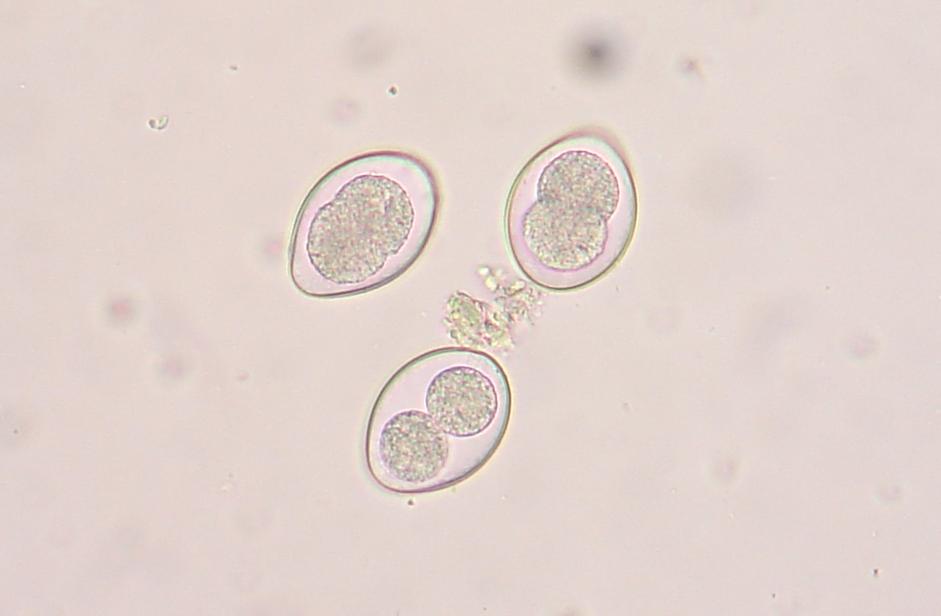
Characteristics and biology
Coccidians are single-celled eukaryotes that produce environmentally resistant stages called oocysts. Inside an oocyst are sporozoites that initiate infection after ingestion. They reproduce by alternating phases of asexual multiplication and sexual reproduction within host tissues. Many species are highly host-specific, while others have broader host ranges.
Life cycle and transmission
The typical life cycle includes ingestion of oocysts, release of sporozoites, invasion of intestinal cells, rounds of asexual replication (merogony), and formation of sexual stages that produce new oocysts. Oocysts are shed in feces and can survive outside the host for variable periods. Detailed lifecycle diagrams and terms are discussed in resources on the apicomplexan group and in parasitology texts at life cycle overviews.
Clinical effects, diagnosis and examples
Infected animals may show diarrhea, dehydration, reduced weight gain, or death in severe cases; young or immunocompromised hosts are most at risk. Well-known genera include Eimeria (important in poultry and ruminants), Cystoisospora (formerly Isospora, seen in carnivores), and Toxoplasma (a zoonotic species with a feline definitive host). Diagnosis commonly uses fecal examination for oocysts, histology, or molecular tests.
Treatment, control and significance
Treatment combines specific anticoccidial drugs, supportive care, and management practices to reduce environmental contamination. Vaccination programs exist for some livestock (especially poultry) and strict hygiene reduces transmission in kennels and farms. For practical guidance on management and therapeutics see treatment and prevention resources.
Notable distinctions
- Coccidia are obligate intracellular apicomplexans that form hardy oocysts outside the host.
- They are a leading cause of intestinal disease in domestic and wild animals and have economic importance in agriculture.
- Some members (notably Toxoplasma gondii) have public health relevance because of zoonotic transmission.
Related articles
Author
AlegsaOnline.com Coccidia: microscopic apicomplexan parasites Leandro Alegsa
URL: https://en.alegsaonline.com/art/21309