
Cluny Abbey
A major medieval Benedictine monastery founded in 910 in Cluny, France; noted for its Romanesque architecture, leadership of the Cluniac reforms, wide network of priories, and later destruction in 1790.
Overview
Cluny Abbey was a Benedictine foundation established in 910 by William I (William the Pious) of Aquitaine in the town of Cluny. From its earliest days the community emphasized a rigorous observance of the Rule of St. Benedict and developed into the center of the Cluniac reforms. As a house of the Benedictine tradition it placed a strong stress on communal prayer, liturgy and monastic discipline. Early papal protection helped secure its independence from local secular authorities; that protection was obtained at the time of its foundation from Pope Sergius III and later popes, affirming the abbey's exemption from episcopal control (papal oversight).
Image gallery
10 Images




Architecture and site
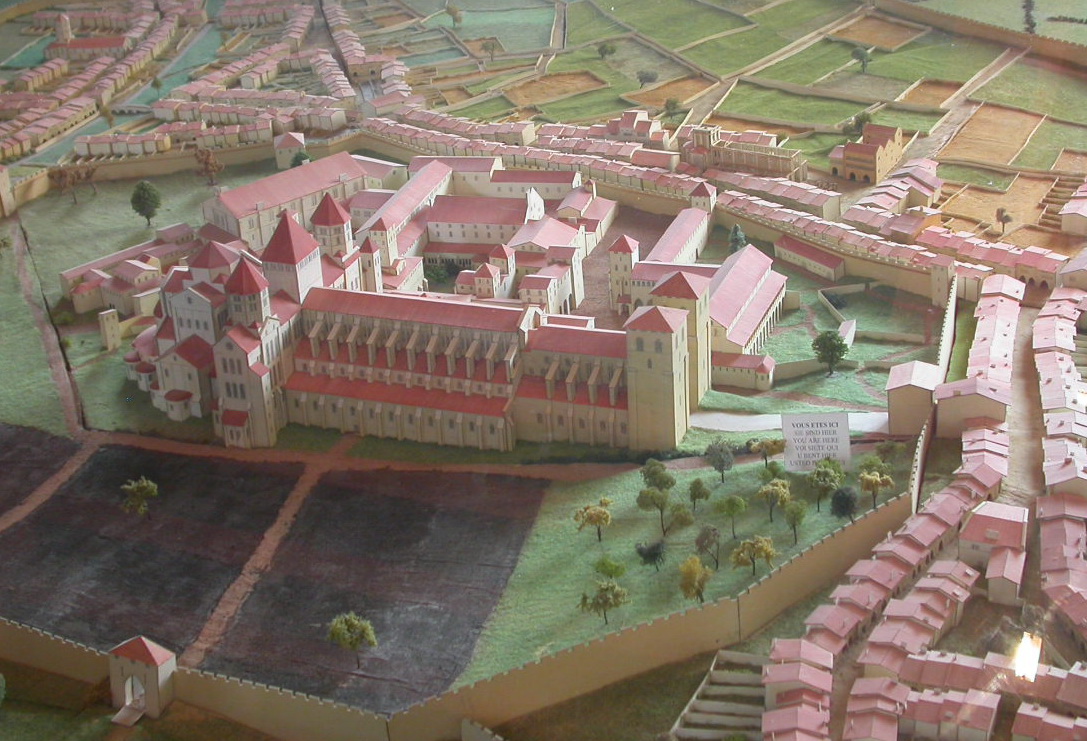
Cluny is best known for its Romanesque construction. The abbey complex was rebuilt in stages; three major church buildings were erected between the 10th and 12th centuries, each larger and more elaborate than its predecessor. The third church (often called Cluny III) was particularly grand and is remembered as one of the largest monastic churches of the Middle Ages. Characteristic architectural features included broad naves and aisles, extensive transepts, radiating chapels, and richly carved capitals and portals reflecting the abbey's wealth and emphasis on liturgical space.
Organization and the Cluniac movement
Unlike many monasteries that answered to local bishops or lords, Cluny developed a centralized model: daughter houses were founded across Europe but remained subordinate to the abbot of Cluny. This network allowed the abbey to standardize observance, liturgical practice and administration. The movement promoted longer and more elaborate services, increased numbers of clerics devoted to the choir, and higher expectations of monastic discipline. Its influence extended beyond spirituality to art, manuscript production and ecclesiastical politics. The abbey also drew inspiration from earlier Benedictine centers such as Subiaco, where the rule had been nurtured in Italy.
Role and influence
From the 10th through the 12th centuries Cluny played a central role in western Christendom. Its abbots were influential advisers, and the monastery accumulated extensive landholdings and income that funded artistic patronage, church building and charitable activity. Many historians credit Cluny with helping to stabilize parts of medieval society by preserving literacy, law and liturgical continuity in a period of frequent political change. At the same time, the concentration of wealth and power in Cluniac houses provoked criticism and contributed to later reform movements that sought different monastic ideals.
Decline and legacy
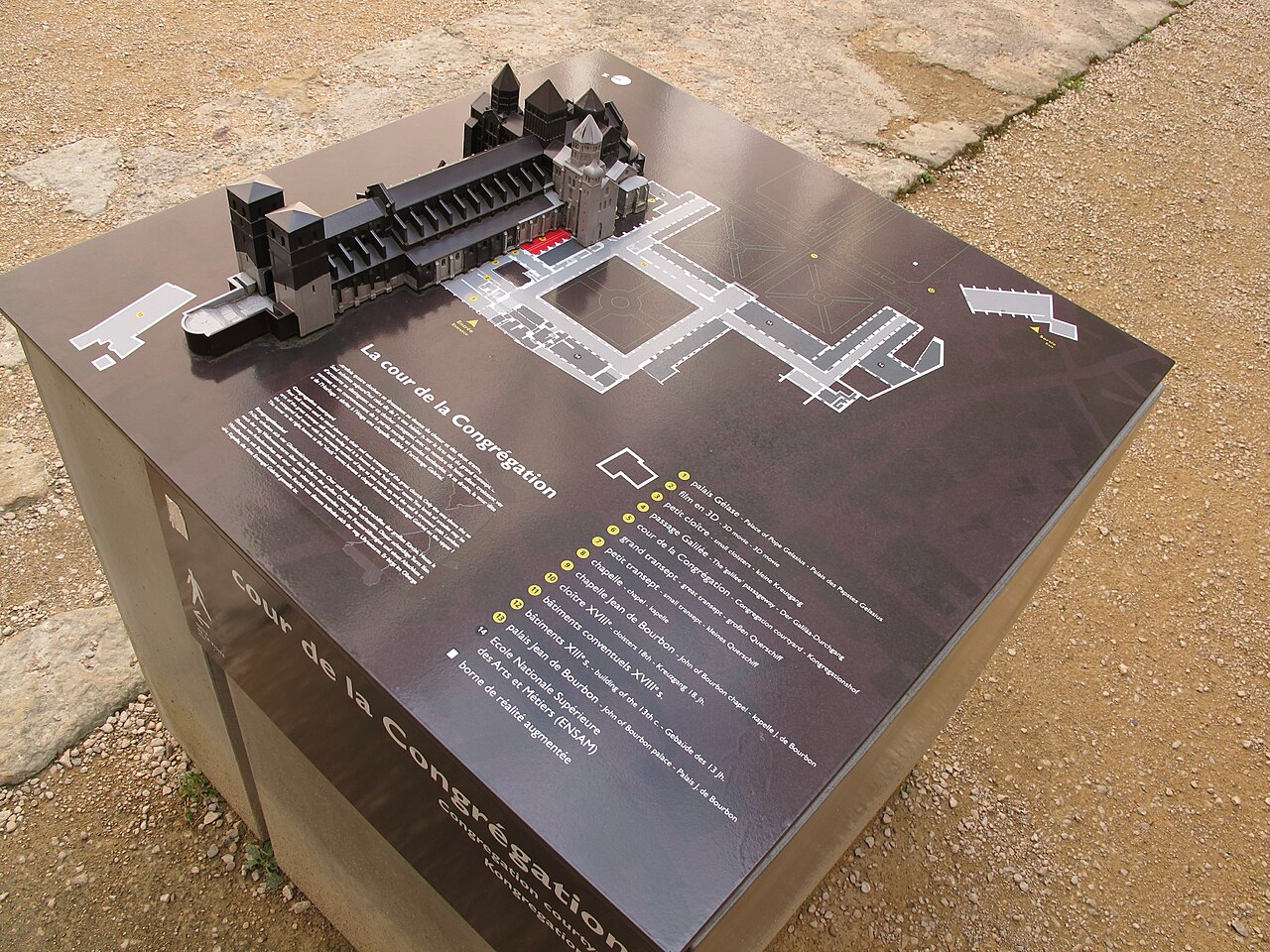
The abbey's fortunes waned in the later Middle Ages as monastic discipline relaxed and political circumstances shifted. Its physical and institutional decline culminated during the upheavals of the French Revolution, when Cluny was sacked and most of the medieval buildings were dismantled and sold. Only fragments of the great church and ancillary structures survive on the original site today; archaeological remains and interpretive displays mark the location for visitors.
Surviving traces and cultural memory
Although little of the original complex remains, Cluny's name and influence endure. In Paris the former abbatial townhouse known as the Hôtel de Cluny (established for Cluniac abbots around 1334) became a public museum in 1833 and preserves medieval art and architecture associated with the period, though it holds few original objects from the monastery itself. Cluny's reforming legacy shaped later monastic orders and left a lasting imprint on Romanesque art, liturgical practice and the institutional history of medieval Europe.
- Founding: 910 by William I of Aquitaine.
- Tradition: Benedictine spirituality and communal liturgy (Benedictine).
- Reform: center of the Cluniac reforms, under papal exemption (papal authority, early support from Sergius III).
- Destruction: largely dismantled during the French Revolution.
For further reading on related topics see entries on Cluny, the Subiaco monastic tradition, and broader treatments of the Cluniac reforms and medieval monasticism.
Related articles
Author
AlegsaOnline.com Cluny Abbey Leandro Alegsa
URL: https://en.alegsaonline.com/art/21166