
Pope Sergius III: Pope of Rome during the early 10th-century turmoil
Pope Sergius III (c. 860–14 Apr 911) led the church from 904–911 amid Roman factional violence. His pontificate is noted for political alignments, disputed allegations of violence, and a contested legacy.
Overview
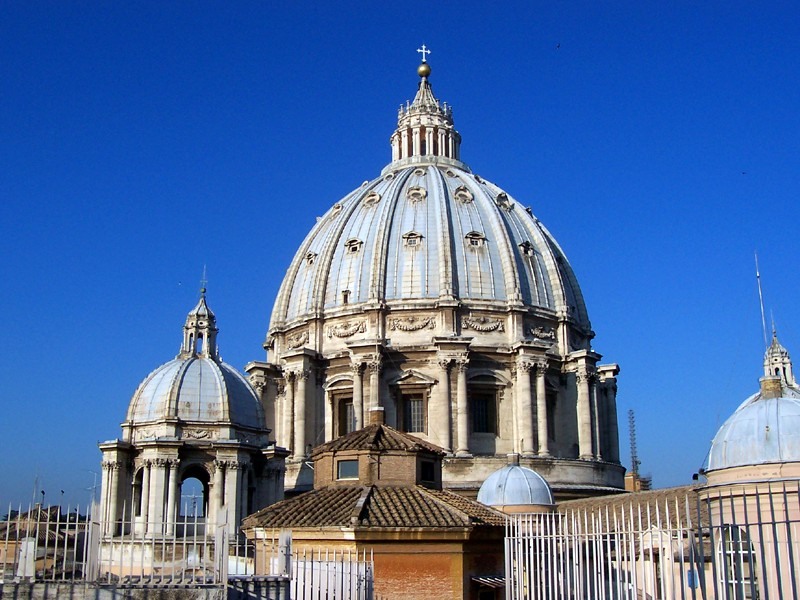
Pope Sergius III (born about 860; died 14 April 911) served as bishop of Rome from 904 until his death in 911. His pontificate took place during a period of intense political instability in Rome when secular aristocratic families and local factions exercised strong influence over the papacy. He is buried in St. Peter's Basilica.
Image gallery
2 Images
Context and election
Sergius became pope at a time when popes often held office only briefly and violent contests for control of the city were frequent. Contemporary and later sources describe his accession as the outcome of alliances with powerful Roman magnates. Because records from this era are fragmentary and partisan, many details about the election and the immediate events remain uncertain.
Reign, actions and administration
During his eight-year pontificate Sergius focused on stabilizing pontifical government within Rome and restoring some continuity after a rapid succession of predecessors. He appointed clerics who supported his position and worked with local secular authorities. Surviving administrative acts are limited, but his reign is generally characterized as an effort to consolidate papal control in a turbulent political environment rather than as a period of major doctrinal or institutional reform.
Controversies and disputed allegations
Later medieval chroniclers attributed a number of violent and immoral acts to Sergius, including charges that he arranged the deaths of rival claimants and engaged in improper personal conduct. Some accounts also link him to members of the Tusculan family that dominated Roman politics, and to the paternity of a later pope. Modern historians treat many of these claims with caution: they are reported in sources that had political motives, and some assertions are considered unreliable or exaggerated. Where accusations survive, scholars note a distinction between well-evidenced administrative decisions and partisan rumor recorded by hostile writers.
Legacy and historiography
Sergius III's pontificate is often cited as emblematic of the early 10th-century 'dark' phase in papal history sometimes called the Saeculum obscurum. His reputation has been shaped as much by hostile medieval narratives as by surviving documentary evidence. Contemporary scholarship emphasizes the complex interaction of local aristocratic power and papal authority, and treats sensational claims with care while acknowledging the real instability of the period.
Quick facts
- Tenure: 904–911
- Birth: circa 860 (approximate)
- Death: 14 April 911
- Burial: St. Peter's Basilica
For general reference, see lists of popes and timelines that place Sergius III within the broader sequence of early medieval pontificates: papal lists, chronological timelines. Information about his burial site can be found through sources describing St. Peter's Basilica: St. Peter's.
Author
AlegsaOnline.com Pope Sergius III: Pope of Rome during the early 10th-century turmoil Leandro Alegsa
URL: https://en.alegsaonline.com/art/128933