
Coit Tower (San Francisco): history, design, and murals
Coit Tower is an Art Deco landmark on Telegraph Hill in San Francisco. Built in 1933 from Lillie Coit’s bequest, it houses Depression-era murals and an observation deck with panoramic city views.
Overview
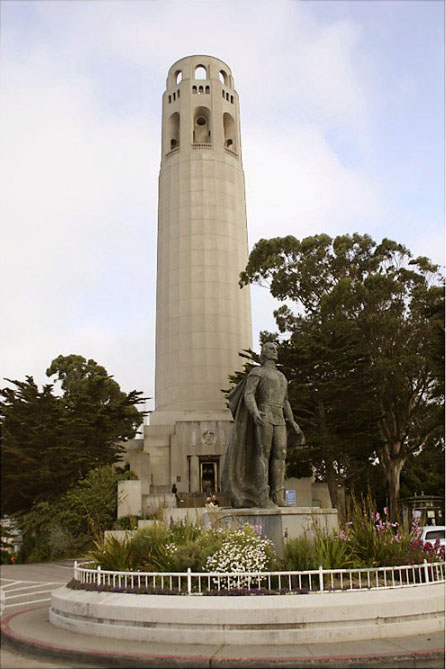
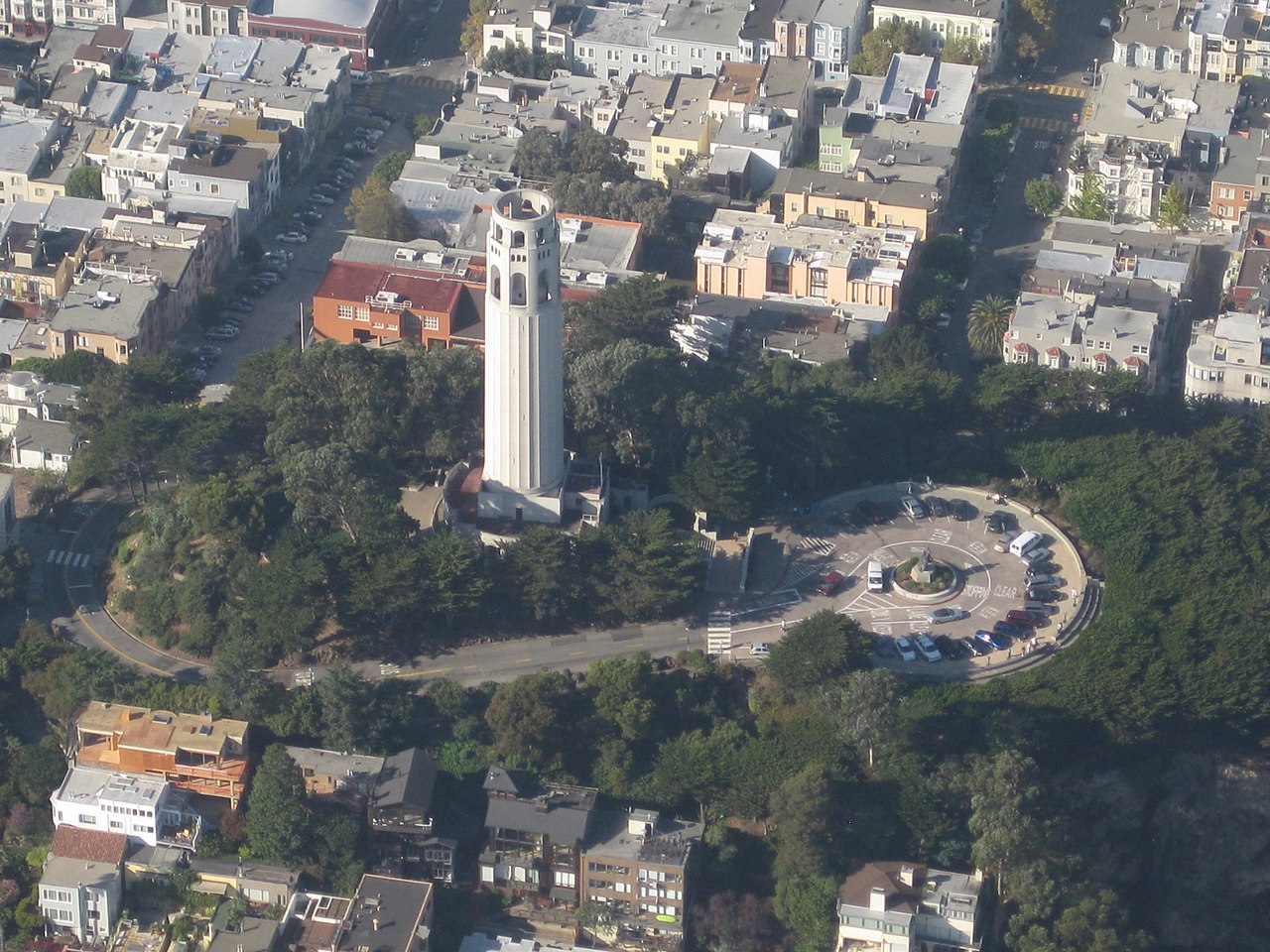
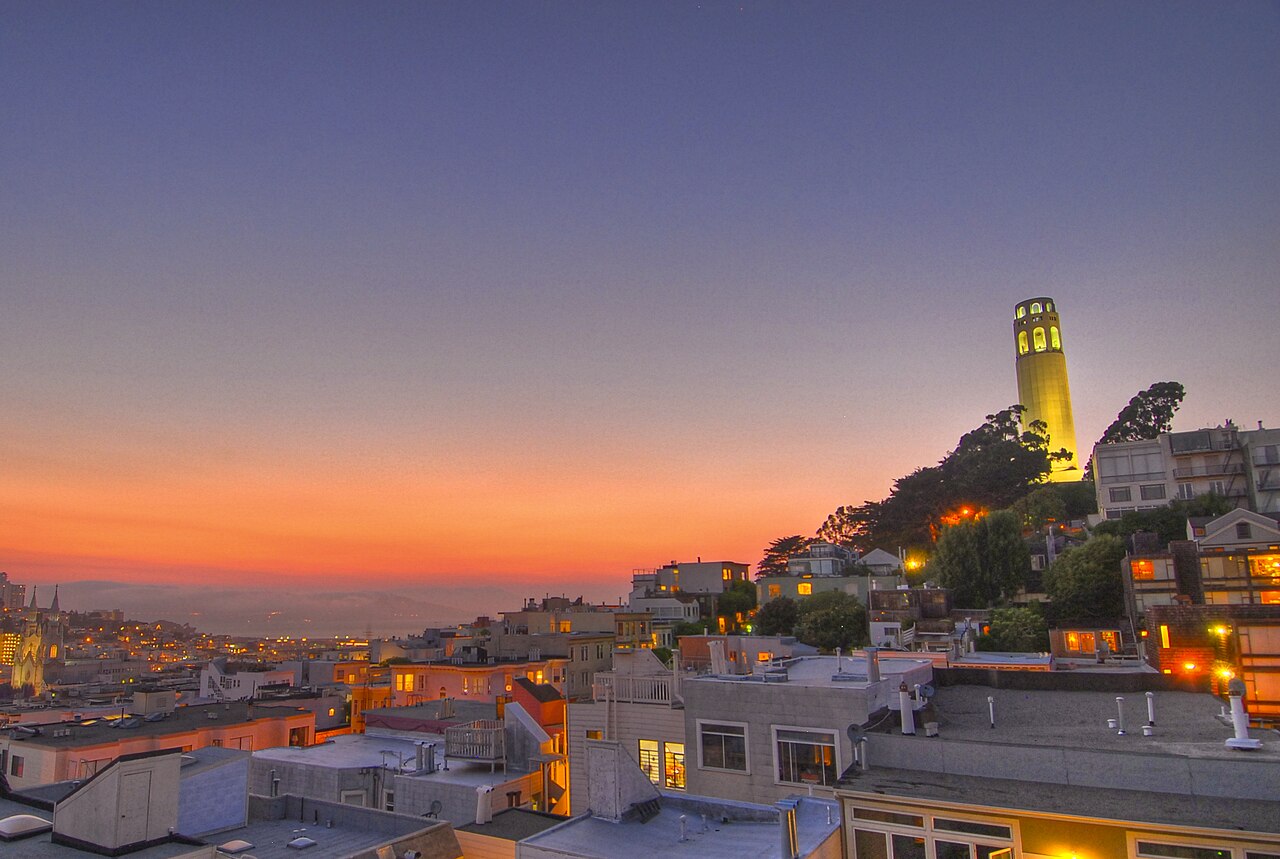
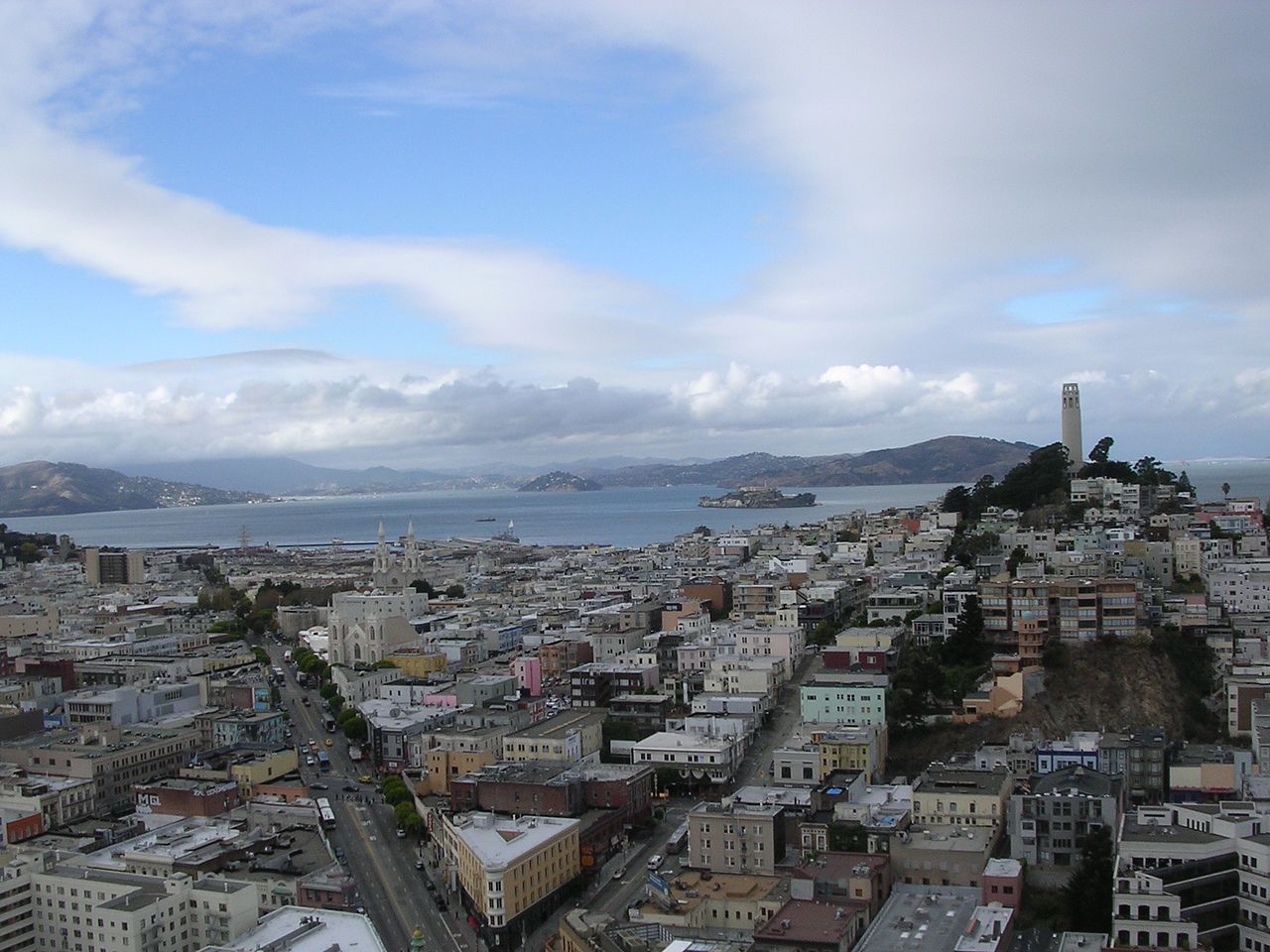
Coit Tower is a prominent concrete landmark rising above Telegraph Hill in San Francisco’s Pioneer Park. Completed in 1933, the unpainted Art Deco shaft was funded by a bequest from Lillie Hitchcock Coit, who left money to the city "to be expended in an appropriate manner for the purpose of adding to the beauty of the city which I have always loved." The structure is both a recognizable city silhouette and a public viewing point that draws visitors for its views and interior murals. For general visitor information see the official San Francisco resource: Coit Tower details.
Image gallery
10 Images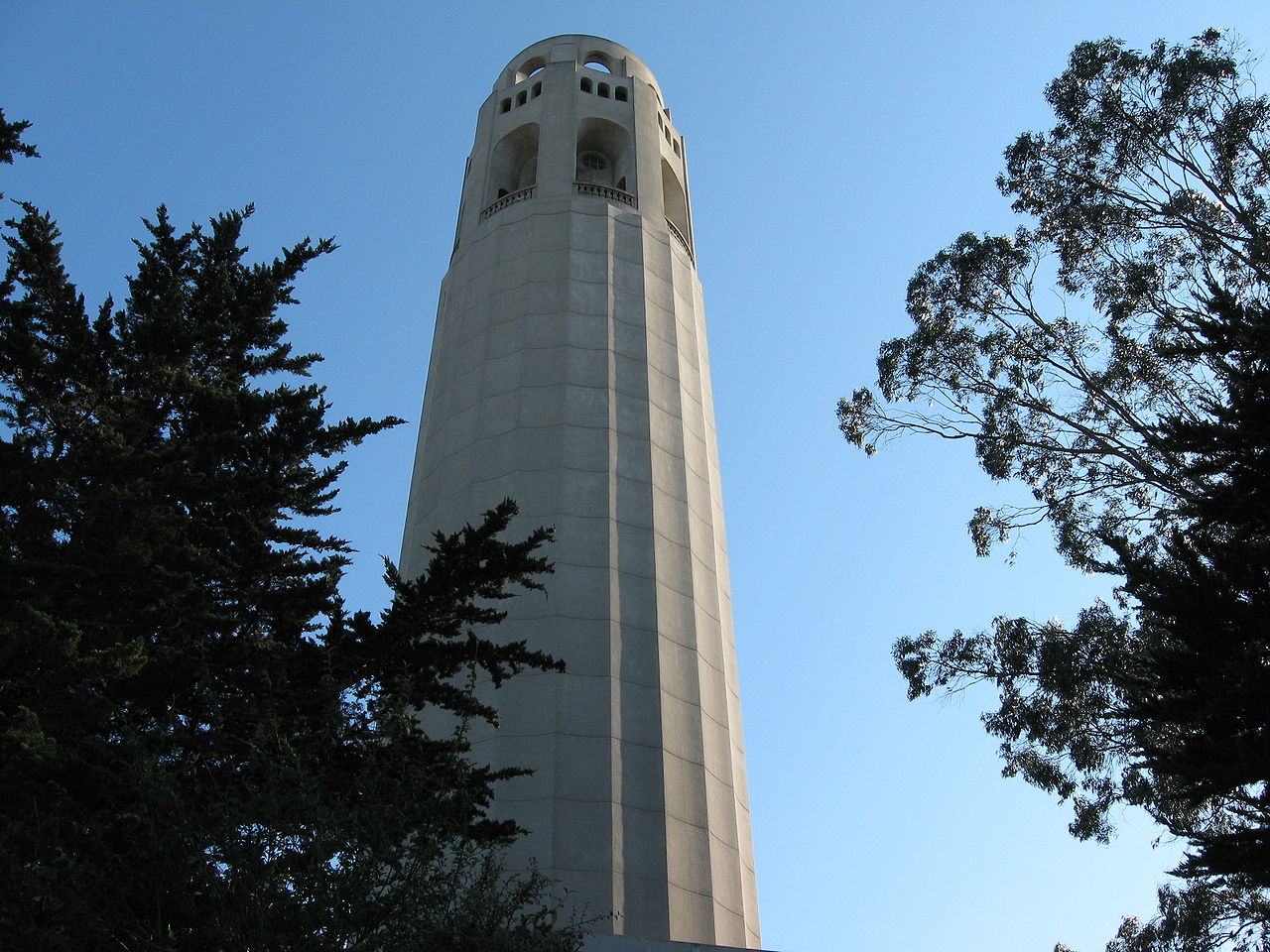




Design, materials, and setting
The tower is constructed of reinforced concrete and was designed by architects Arthur Brown, Jr. and Henry Howard. Its clean, vertical lines and lack of exterior ornamentation reflect Art Deco tendencies toward simplified geometric forms. Rising from the top of Telegraph Hill, Coit Tower occupies a small footprint within Pioneer Park and is sited to offer 360-degree panoramas of the city, bay, and bridges. Practical visitor information, directions and park maps are available through local municipal pages: park and access.
Murals and artistic program
One of the tower’s defining interior features is a group of murals executed in fresco and other media. These works were created on-site by a group of artists, with 27 credited primary artists and numerous assistants, and two additional paintings later installed that were produced off-site. The murals date from the early 1930s and reflect the era’s interest in social realism—portraying scenes of everyday life, industry, agriculture, and civic themes in California during the Depression. Much of the project was organized under New Deal–era art programs and municipal sponsorship; the murals remain a significant example of public art from that period. For scholarly and curatorial context see: mural program background.
History, reception, and conservation
Lillie Hitchcock Coit’s bequest and the tower’s rapid completion in 1933 made it a Depression-era civic project that combined commemoration, public amenity, and employment for artists. Over time the murals generated discussion because some images included political references and candid social commentary; those debates are part of the work’s historical interest. Conservation efforts have taken place intermittently to clean, stabilize, and restore the frescoes and the concrete shell so they can be experienced by the public for generations to come. For preservation initiatives and visitor rules, consult: conservation and visiting.
Visiting today
Coit Tower is open to the public; visitors typically access the observation area by elevator (with stairs also available) and can view the murals on the lower levels. The site is a popular stop on San Francisco sightseeing routes and appeals to people interested in architecture, public art, and panoramic photography. Reasonable accessibility varies by time and current policies, so visitors should check services and hours in advance through municipal and park resources.
Notable facts and distinctions
- The tower’s commonly repeated resemblance to a firefighter’s hose nozzle is a popular myth; the architects did not intend that specific symbolism, though Lillie Coit was famously associated with local firefighters.
- Coit Tower combines civic philanthropy, Art Deco architecture, and New Deal–era public art, making it a layered cultural landmark rather than a single-type monument.
- The interior murals are a rare surviving ensemble of early 1930s municipal frescoes and are studied for their artistic, social, and historical significance.
Questions and answers
Q: What is Coit Tower?
A: Coit Tower is a tower located in the Telegraph Hill neighborhood of San Francisco, California.
Q: Who left their estate to the city to help add to the beauty of San Francisco?
A: Lillie Hitchcock Coit left one-third of her estate to the city to be expended in an appropriate manner for the purpose of adding to the beauty of the city.
Q: When was Coit Tower built?
A: Coit Tower was built in 1933.
Q: What is Coit Tower made of?
A: Coit Tower is made of unpainted reinforced concrete.
Q: Who designed Coit Tower?
A: Architects Arthur Brown, Jr. and Henry Howard designed Coit Tower.
Q: What kind of art is found in Coit Tower?
A: Coit Tower has fresco murals by 27 different on-site artists and their assistants, plus two additional paintings installed after creation off-site.
Q: Why was Coit Tower built?
A: Coit Tower was built as a way to add to the beauty of San Francisco and was not designed to resemble a fire hose nozzle, despite Coit's affinity with the San Francisco firefighters of the day, in particular with Knickerbocker Engine Company Number 5.
Tags
Related articles
Author
AlegsaOnline.com Coit Tower (San Francisco): history, design, and murals Leandro Alegsa
URL: https://en.alegsaonline.com/art/21465
Sources
- nrhp.focus.nps.gov : "National Register Information System"
- sf-planning.org : "City of San Francisco Designated Landmarks"