
Modernism: an overview of the cultural movement of the late 19th–mid 20th century
Modernism was a broad cultural movement that broke with tradition across art, literature, music, architecture and theatre, emphasizing formal innovation, fragmentation, and belief in progress.
Modernism describes a broad set of artistic, literary and intellectual tendencies that emerged in the late 19th century and dominated much of the first half of the 20th century. It is best understood as a reaction to rapid industrialization, urbanization and social change: a deliberate break with inherited forms and conventions. For a concise introduction, see Modernism (overview).
Image gallery
10 Images
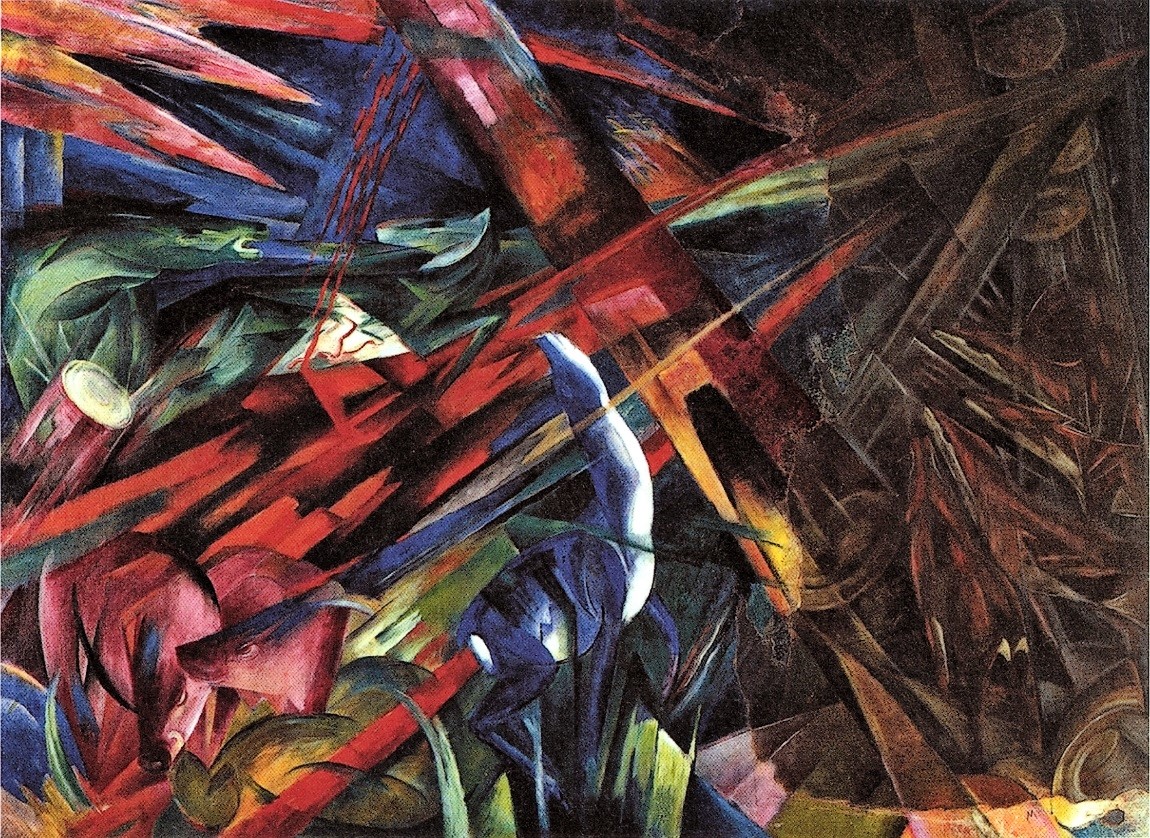


Core ideas and characteristics
Although Modernism contains many divergent strains, several recurring traits appear across disciplines. Practitioners emphasized experimentation with form and technique, favored fragmentation over continuous narrative, and explored subjective perception. There was often confidence in technology and science as forces for reshaping society, paired with anxiety about modern life. Formal innovations ranged from abstraction and collage in the visual arts to stream of consciousness in prose.
Expression across disciplines
- Art: Painters and sculptors explored abstraction, new materials and nontraditional composition; see art.
- Literature: Novelists and poets experimented with language, time and interiority; important tendencies include free indirect style and fragmentation—see literature.
- Music: Composers challenged tonal conventions and traditional forms, sometimes adopting atonality or novel structures—see music.
- Architecture: Architects pursued functionalism, simplified forms and new construction methods, prioritizing purpose and material honesty—see architecture.
- Theatre and drama: Playwrights and directors introduced new staging, fragmented plots and psychological realism—see drama.
History and legacy
Modernism arose from overlapping historical forces: industrial economies, scientific progress, colonial encounters and the disruptions of World War I. It was not a single school but an umbrella for movements such as symbolism, expressionism, cubism, futurism and surrealism, many of which contradicted one another. By mid century some modernist aims were absorbed into mainstream culture or evolved into later developments like postmodernism; others remain influential in contemporary creative practice.
Modernism's significance lies in its sustained challenge to tradition and its insistence that form and method be reconsidered in light of changing realities. That combination of radical novelty, plurality of styles, and enduring influence makes Modernism a central chapter in the history of modern culture.
Questions and answers
Q: What is Modernism?
A: Modernism was a cultural movement that lasted from the late 19th century to the mid-20th century. It encompassed various areas such as art, literature, music, architecture, and drama.
Q: What main principles did Modernism uphold?
A: Modernism rejected tradition and was interested in new ways of doing old things. It also believed that science and technology could change the world for the better.
Q: Was Modernism uniform in its beliefs and principles?
A: No, the details of Modernism differed greatly, and the term covers movements that are somewhat contradictory.
Q: What areas were affected by Modernism?
A: Modernism had an impact on the arts, literature, music, architecture, and drama.
Q: Why did Modernism reject tradition?
A: Modernism rejected tradition because it aimed to break away from the constraints of the past and embrace new ideas and approaches.
Q: What was Modernism interested in?
A: Modernism was interested in new ways of doing old things and in the belief that science and technology could bring about positive changes.
Q: What were the contradictory movements that Modernism covered?
A: Modernism covered movements that held somewhat contradictory beliefs and principles, which led to differences in the details of the movement.
Related articles
Author
AlegsaOnline.com Modernism: an overview of the cultural movement of the late 19th–mid 20th century Leandro Alegsa
URL: https://en.alegsaonline.com/art/65719