
Cirrhosis: chronic liver scarring and its clinical impact
Cirrhosis is advanced, irreversible scarring of the liver that reduces function. This article explains causes, progression, complications, diagnosis, treatment approaches and prevention.
Overview
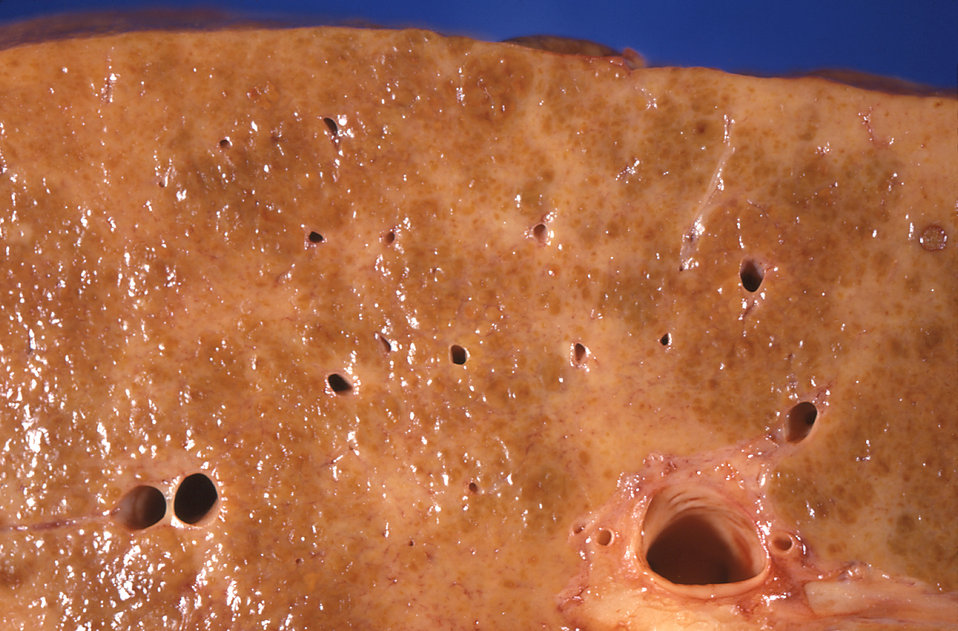
Cirrhosis is a progressive disease in which healthy liver tissue is replaced by fibrous scar tissue, gradually reducing the organ’s ability to perform crucial metabolic, synthetic and detoxifying functions. It is a final common pathway for many long‑term liver injuries and leads to complications that affect multiple organ systems. For general background on the concept of disease in medicine see disease and for basic liver anatomy see liver.
Image gallery
10 Images



Causes and how it develops
Scarring (fibrosis) accumulates when the liver repeatedly attempts to repair injury. Common causes include sustained heavy alcohol use, chronic viral hepatitis (especially hepatitis B and hepatitis C), and metabolic conditions such as nonalcoholic fatty liver disease. Other contributors can be autoimmune disorders, inherited storage diseases and certain drugs or toxins. Scar formation and remodeling of the liver architecture are referred to generally as scar or scar tissue development.
Symptoms and major complications
Early cirrhosis may be symptomless. As damage progresses, the liver cannot clear bilirubin efficiently and jaundice (yellowing of the skin and eyes) can appear. Portal hypertension — elevated pressure in the portal venous system — causes fluid accumulation in the abdomen (ascites) and swollen veins (varices) that may bleed. Common complications include:
- Ascites and fluid overload, described clinically as ascites
- Jaundice and impaired clotting from reduced protein synthesis
- Hepatic encephalopathy, from the buildup of toxins that affect the brain
- Increased risk of liver cancer (hepatocellular carcinoma) and infections
Diagnosis and management
Diagnosis combines clinical evaluation, blood tests, imaging and sometimes liver biopsy. Treatment depends on cause and stage: removing the injurious agent (for example abstinence from alcohol), antiviral therapy for hepatitis B or C, management of metabolic contributors, and measures to control complications. Procedures and medications can relieve portal hypertension, treat ascites, and reduce encephalopathy. When liver function is irreversibly lost, liver transplantation may be considered. For more detail on viral causes see hepatitis B and hepatitis C.
Prevention and prognosis
Preventing cirrhosis focuses on addressing the underlying causes — vaccinating against hepatitis B, preventing and treating viral hepatitis, moderating alcohol intake, and managing metabolic risk factors such as obesity and diabetes. The course of cirrhosis varies widely: some people remain stable for years, while others develop rapid decline and life‑threatening complications. Advanced cirrhosis carries significant morbidity and mortality.
Notable distinctions and additional facts
Although cirrhosis is irreversible at advanced stages, early fibrosis can be limited or partially reversed if the injuring process is stopped. Cirrhosis differs from focal liver cancers: hepatocellular carcinoma often arises in cirrhotic livers rather than causing cirrhosis directly. Management often requires multidisciplinary care — hepatology, radiology and surgery — and attention to nutrition, vaccination and surveillance for complications. For summaries and patient resources see alcohol‑related liver disease, general liver health at jaundice, clinical guidance at fibrosis resources and practical information portals at medical overview and organ references. Additional clinical tools and community information are available through specialist links such as fibrosis education, viral hepatitis resources and screening guidance at ascites management.
Related articles
Author
AlegsaOnline.com Cirrhosis: chronic liver scarring and its clinical impact Leandro Alegsa
URL: https://en.alegsaonline.com/art/20477