
Albanian Orthodox Church (Orthodox Autocephalous Church of Albania)
The Orthodox Autocephalous Church of Albania is the national Eastern Orthodox church founded in 1922. It follows the Byzantine rite in Albanian, endured suppression under communism, and revived after 1991.
Overview
The Orthodox Autocephalous Church of Albania is the main Eastern Christian body for ethnic and civic Albanians and a member of the family of Eastern Orthodox churches. It was declared autocephalous in the early 20th century and organized by Albanian clergy and laity seeking a national church; a key moment in its formation took place in 1922. The term autocephalous indicates that its primate and bishops govern the church internally without being subject to a foreign episcopal head. The church uses the Byzantine liturgical tradition, with services commonly served in the Albanian language and in local traditions shaped by regional history.
Image gallery
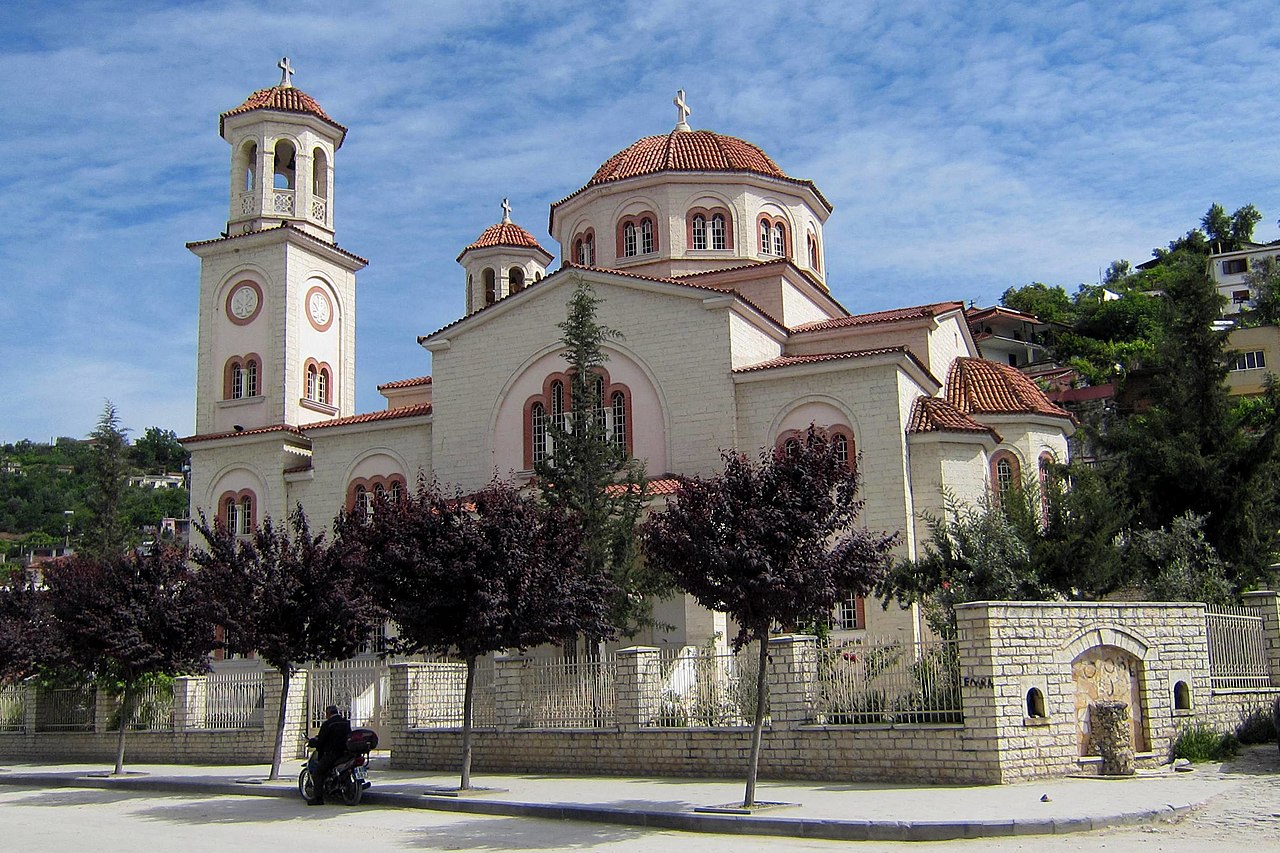
10 Images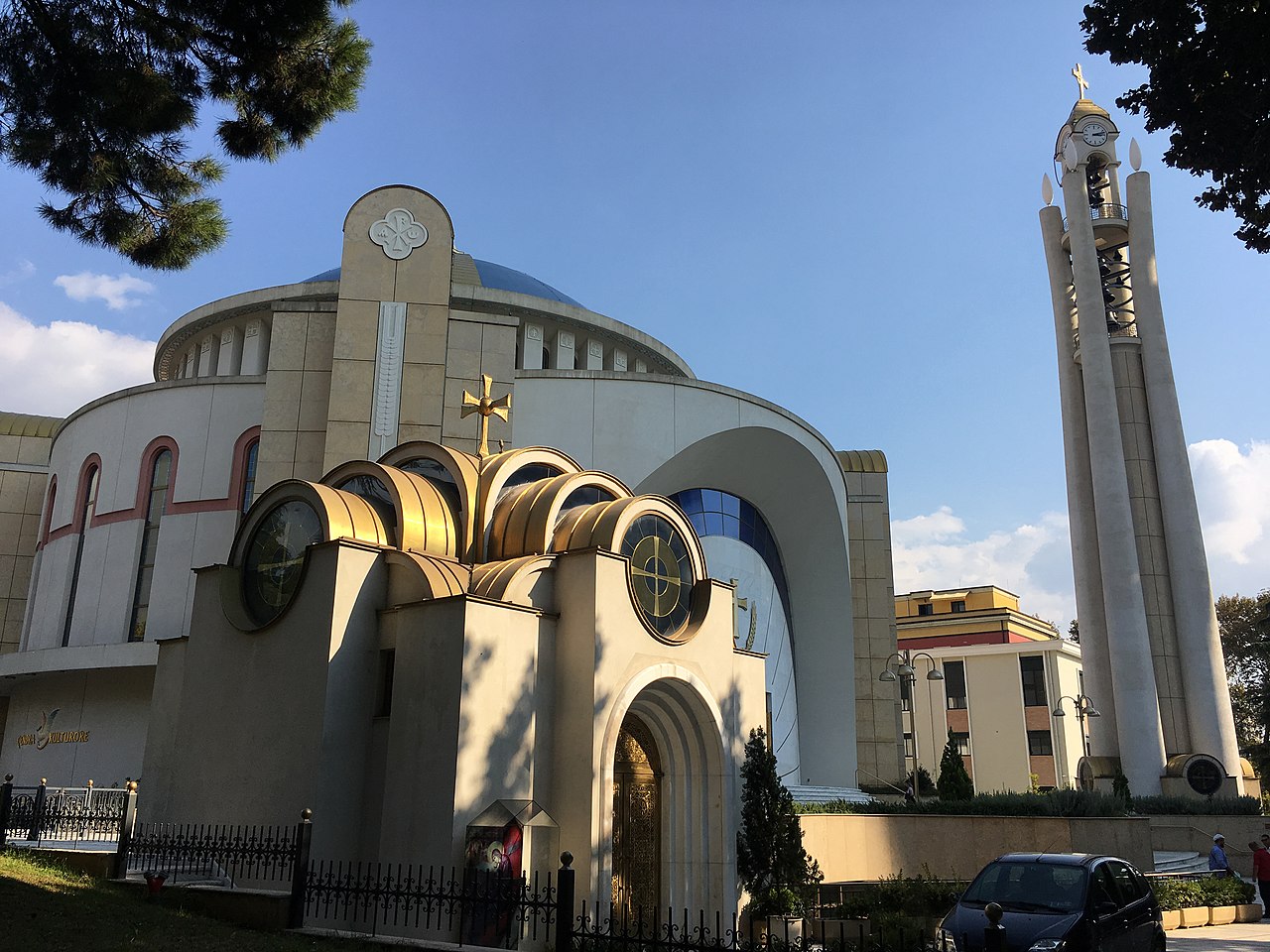




Founding figures and early development
The modern Albanian Orthodox movement was led by prominent figures such as Fan Noli and Visarion Xhuvani, who combined religious leadership with cultural and national concerns. Their work focused on establishing a fully Albanian-led hierarchy, translating liturgical texts, and creating institutions for theological education. Governance in Orthodox terms is episcopal: decisions and ordinations are made by bishops and synods, led by the primate or archbishop (bishop, clerical structures).
Persecution and survival
The church experienced severe trials during the mid-20th century. Occupation and wartime disruptions weakened many communities, and the subsequent communist regime profoundly altered religious life in the country. Under the postwar communist government the church suffered restrictions and loss of property; in the communist era religious institutions were closely controlled. The situation culminated in 1967 when Albania was declared an atheist state and public worship and many private expressions of faith were banned (state atheism). Clergy were imprisoned or silenced, and many church buildings were repurposed or neglected.
Revival after 1991
Following the end of enforced state atheism and the regime collapse, religious freedom returned in 1991. The Albanian Orthodox Church began a program of restoration and renewal: communities repaired and reopened churches, clergy were trained and ordained, and parochial life was gradually re-established. Since that revival thousands of faithful have returned to regular worship; according to church reports more than 250 places of worship have been repaired or rebuilt and over 100 clergy ordained in the post-communist period.
Structure and dioceses
The church is organized into several dioceses that provide regional pastoral care and administration (dioceses). Major episcopal sees include:
- Tirana (often combined administratively with Durrës and Elbasan)
- Durrës and Elbasan
- Berat and Kanina
- Gjirokastër and Korçë
Significance and distinguishing features
The Albanian Orthodox Church plays a dual role: religiously, it preserves Eastern Orthodox theology, liturgy, and sacramental life in an Albanian cultural context; civically, it has been part of the broader movement for national identity and cultural revival. Its history of suppression and recovery is notable among 20th-century European churches. While small in numbers compared with some Orthodox churches, it is recognized for its efforts to translate liturgy into Albanian and to foster ecumenical and interfaith relations in a diverse society.
Further reading and resources
For an introduction to its theology, contemporary organization, and recent activities consult ecclesiastical histories and the church's own publications. Official and academic sources can provide updated statistics, current leadership information, and details about parish life and charitable work across the country's dioceses.
Related articles
Author
AlegsaOnline.com Albanian Orthodox Church (Orthodox Autocephalous Church of Albania) Leandro Alegsa
URL: https://en.alegsaonline.com/art/2040