
Elbasan: Central Albanian city on the Shkumbin River
Elbasan is a major city in central Albania, known for its riverside setting, historic fortress, industrial past, university, and role as a cultural and transportation hub.
Overview
Elbasan is a prominent city in central Albania, situated on the Shkumbin River. It serves as the administrative centre of its county and district and is one of the country’s larger urban centres, with a population on the order of tens of thousands.
Image gallery
10 Images




Geography and layout
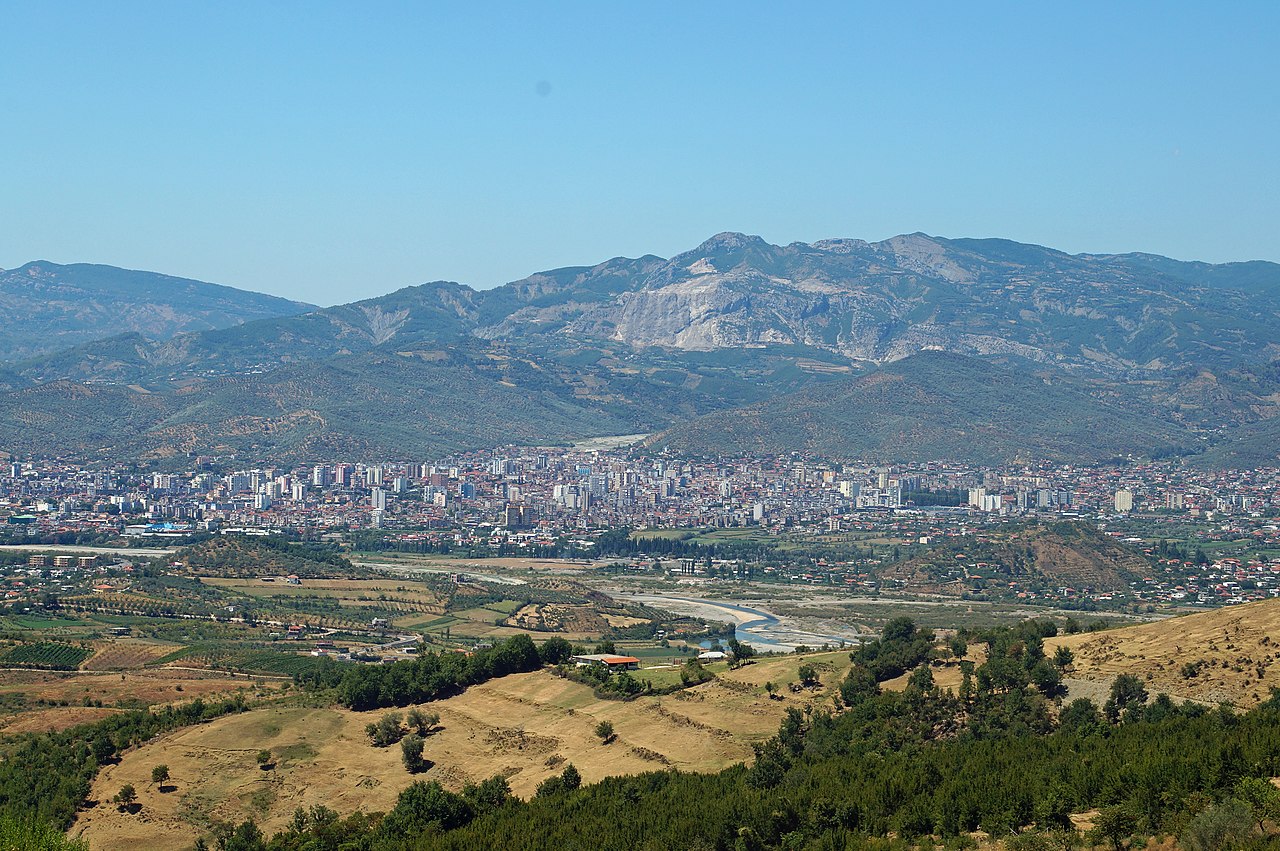
The city lies in the Shkumbin valley, a natural corridor that cuts across the country. The river runs through the urban area and has shaped local neighbourhoods and transport routes. An historic castle and an old town core occupy the riverside plateau, while newer residential and industrial zones spread into surrounding low hills and plains.
Historical development
Elbasan has a long history of settlement and trade shaped by its position on a cross-country route. It grew in importance under medieval and Ottoman rule, retaining visible historic architecture and fortified remains downtown. In the 20th century the city expanded as industries and public institutions developed, leaving a mix of older quarters and planned neighbourhoods.
Economy and institutions
The local economy combines light manufacturing, services and agriculture from nearby rural areas. During the 20th century industrial plants, including textile and metallurgical activity, were important employers. The city is also an educational and cultural centre: universities, technical institutes and a regional museum contribute to civic life.
Culture, language and significance
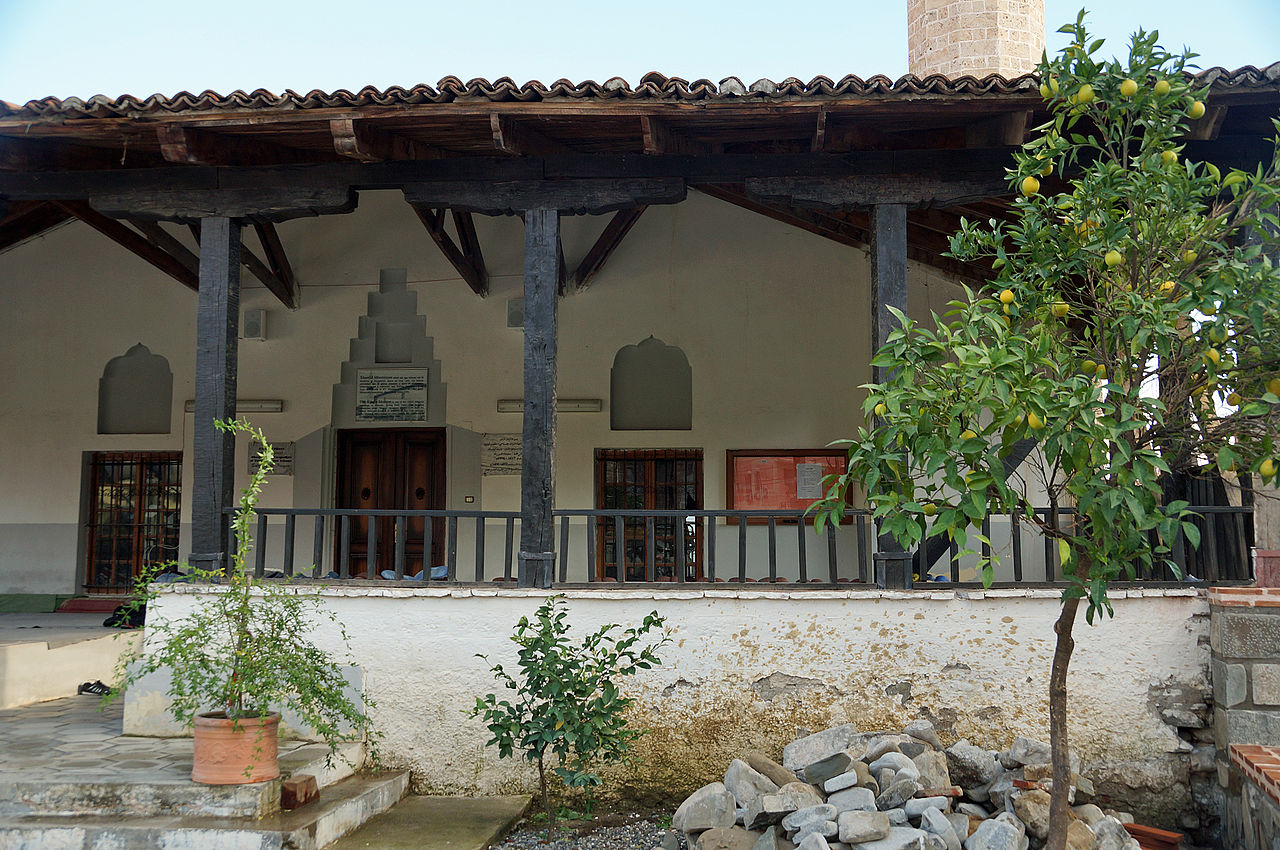
Elbasan sits near a well-known linguistic and cultural transition: the Shkumbin valley is commonly cited as a rough divide between northern and southern Albanian dialects. Local culture mixes religious and secular traditions, reflected in festivals, markets and cuisine. The historic castle, mosques, churches and civic landmarks make it a focus for visitors interested in regional history.
Notable facts
- Riverside location on the Shkumbin makes the city an important transit point across central Albania.
- The old fortress and compact historic core are central to Elbasan’s identity and tourism appeal.
- Local higher-education institutions support research and training for the region.
- The city blends industrial heritage with growing service and cultural sectors.
Related articles
Author
AlegsaOnline.com Elbasan: Central Albanian city on the Shkumbin River Leandro Alegsa
URL: https://en.alegsaonline.com/art/30615
Sources
- albania.dyndns.org : "20/02/2007 Të nderuar miq!"
- census.al : "Population and Housing Census in Albania"