
Ciconiiformes: long‑legged wading birds and their relatives
Overview of Ciconiiformes, a historical grouping of large wading birds (storks, herons, ibises, spoonbills), with their traits, fossil history, ecology, and conservation notes.
The term Ciconiiformes traditionally referred to an assemblage of large, long‑legged, long‑billed wading birds often seen at wetlands and shorelines. Classic members include storks, herons and egrets, and probing taxa like the ibises and the distinctive flat‑billed spoonbills. The grouping has been revised repeatedly as anatomical and molecular studies clarified relationships among these waterbirds.
Image gallery
10 Images
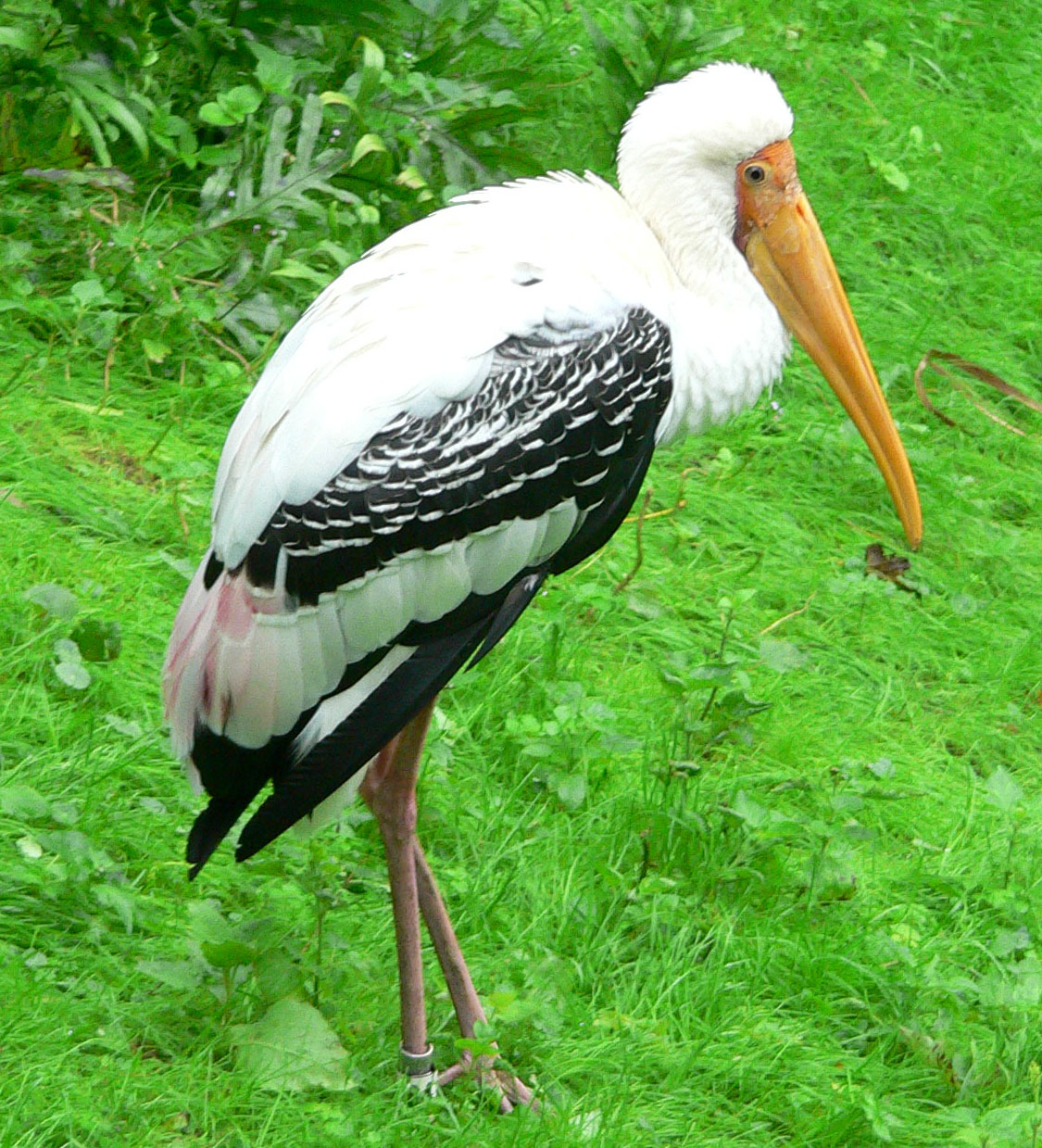


Characteristics
Birds placed in Ciconiiformes share a suite of adaptations for a wading lifestyle: long legs for moving through shallow water, elongated necks for striking at prey, and stout or specialized bills for seizing, probing, or filtering. Plumage ranges from cryptic browns to showy whites and blacks; many species display sexual dimorphism or seasonal breeding plumage.
Taxonomy and fossil record
Historically the order included several families; modern classifications split some groups into related but separate orders based on DNA evidence. Fossil remains attributable to ciconiiform‑like birds appear as early as the Late Eocene, indicating the basic wading form is ancient and has diversified alongside changing wetland habitats (fossil record).
Ecology and behavior
These birds occupy freshwater and coastal zones where they feed on fish, amphibians, crustaceans, insects and small mammals. Foraging techniques vary: stalking and stabbing by herons, bill‑raking by ibises, and tactile sweeping by spoonbills. Many species nest colonially in trees, reedbeds, or on cliffs and exhibit site fidelity.
Importance and conservation
Ciconiiform birds are indicators of wetland health and influence food webs. Habitat loss, pollution, and disturbance have threatened numerous species, prompting protection of wetlands and targeted conservation programs. Public interest in charismatic species like storks and herons supports wetland preservation efforts.
- Representative groups: storks, herons/egrets, ibises, spoonbills.
- Notable fact: fossil evidence extends to the Late Eocene, showing long evolutionary history (see fossil summaries).
As scientific methods progress, the composition and limits of Ciconiiformes continue to be refined, but the ecological role of these elegant waders in wetland ecosystems remains well established.
Related articles
Author
AlegsaOnline.com Ciconiiformes: long‑legged wading birds and their relatives Leandro Alegsa
URL: https://en.alegsaonline.com/art/20356