
Civil Air Patrol (CAP) — United States Air Force Civilian Auxiliary
Civil Air Patrol (CAP) is a volunteer, congressionally chartered nonprofit that serves as the civilian auxiliary of the U.S. Air Force, providing emergency services, aerospace education, and cadet programs.
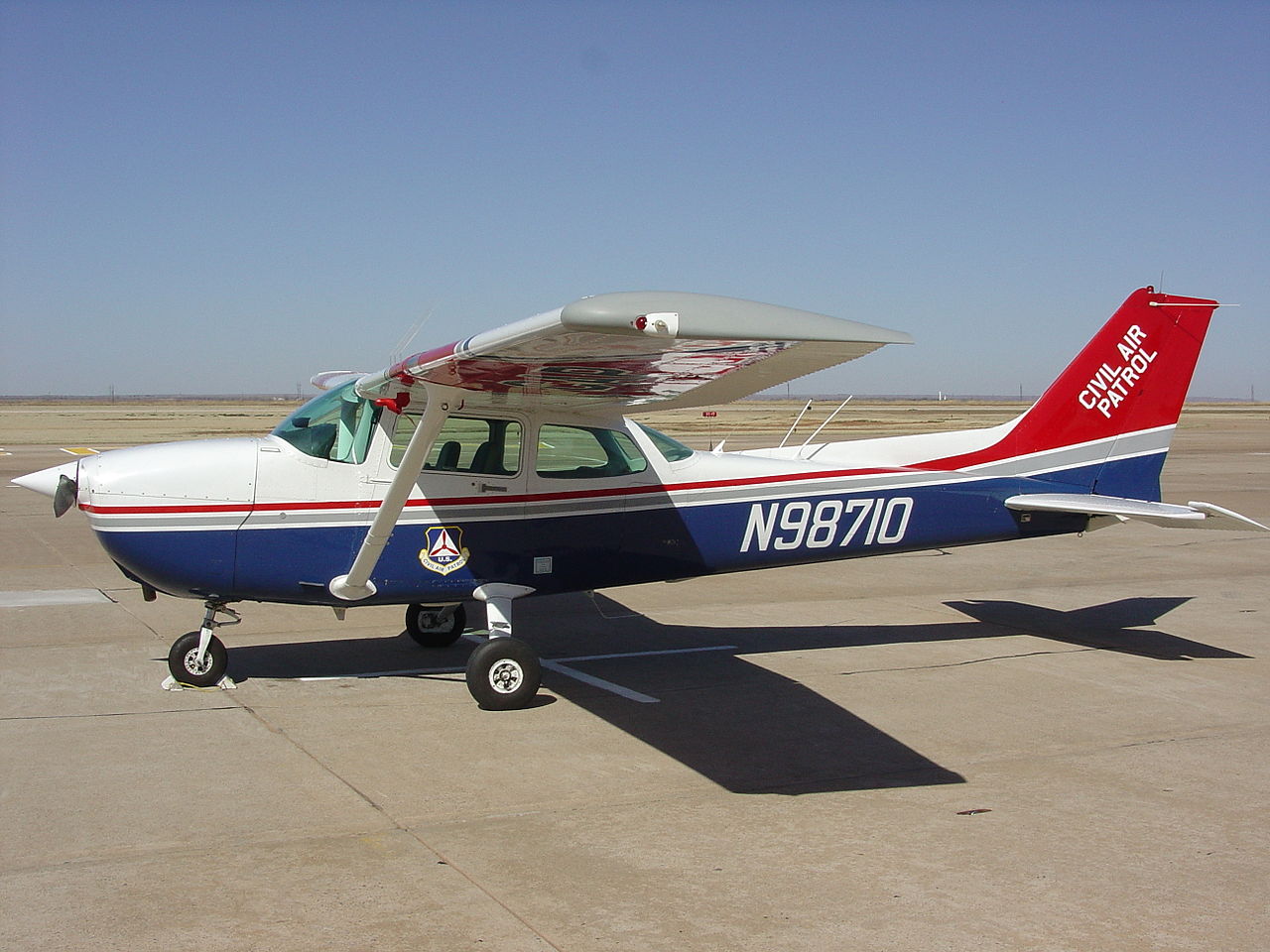
The Civil Air Patrol (CAP) is a nationwide, volunteer nonprofit that serves as the official civilian auxiliary of the United States Air Force. CAP brings together volunteers from diverse backgrounds—civilians, pilots, educators and young people—to perform missions that support public safety, promote aviation knowledge and develop leadership skills. Members who take part in operations typically wear CAP uniforms while on duty and during public events.
Image gallery
10 Images




Missions
CAP carries out three primary, interrelated missions. These activities are designed to complement military, federal and local emergency capabilities and to educate the public about aviation and aerospace.
- Emergency services: CAP conducts aerial and ground search and rescue, disaster relief, and damage assessment. Its crews perform missing-person searches, aerial reconnaissance after storms, and support for local responders. See CAP's role in search and rescue operations for typical examples.
- Aerospace education: CAP promotes aeronautical knowledge to its members and to the community through classes, public presentations, and hands-on activities. These programs help learners understand basic aeronautics and benefit teachers and students through outreach and resources about education.
- Cadet programs: CAP runs structured youth programs that combine leadership training, physical fitness, character development and aerospace study for young people. The cadet program supports youth development and is open to young people who meet age requirements.
Organization and membership
Membership is divided into cadets and senior members. The cadet program typically serves adolescents and teens, providing progressive training and opportunities to earn ranks, flight experience and scholarships; these activities are part of CAP's broader cadet offerings for teenage youth. Senior members are adult volunteers who provide leadership, instruction, mission support and technical skills. CAP units operate at local, state and regional levels and rely on volunteers for aviation, ground teams, administration and outreach.
Uniforms are used to promote professionalism, unity and public recognition during missions and official functions. Members wear CAP uniforms when performing duties or representing the organization publicly; the uniforms also help coordinate with other agencies in joint responses. For more on attire and insignia, refer to materials about uniforms.
History, status and role
Formed during World War II by civilian aviators and volunteers, CAP evolved to meet peacetime needs and was later chartered to serve as the Air Force's civilian auxiliary. Over decades it has expanded its training and operational capabilities while maintaining volunteer membership. CAP is recognized for providing cost-effective, timely services such as low-altitude aerial observation and rapid community response in emergencies, complementing military and civilian agencies.
Notable features include the use of light aircraft and ground search teams, emphasis on youth leadership through the cadet program, and a steady focus on aerospace education. CAP's blend of volunteerism, aviation skill-building and emergency response makes it a distinct organization in U.S. civil-military partnership and community preparedness.
Questions and answers
Q: What is the Civil Air Patrol (CAP)?
A: The Civil Air Patrol is a non-profit organization serving as the official civilian auxiliary of the United States Air Force.
Q: What are the three missions performed by the CAP?
A: The three missions performed by the CAP are emergency services (search and rescue and disaster relief), aeronautics education for youth and the general public, and cadet programs for teenage youth.
Q: Who can become a member of the CAP?
A: Anyone can become a member of the CAP. Membership consists of cadets between 12 to just under 21 years of age and senior members who are 18 years of age and up.
Q: What is the age range for cadet members of the CAP?
A: The age range for cadet members of the CAP is from 12 to just under 21 years of age.
Q: Who wears uniforms while performing their duties in the CAP?
A: All members of the CAP wear uniforms while performing their duties.
Q: What is the role of the CAP in emergency services?
A: The CAP plays an important role in emergency services, including search and rescue operations, as well as disaster relief efforts.
Q: What are the cadet programs offered by the CAP?
A: The cadet programs offered by the CAP are designed for teenage youth and include various leadership, aerospace, and emergency services training opportunities.
Related articles
Author
AlegsaOnline.com Civil Air Patrol (CAP) — United States Air Force Civilian Auxiliary Leandro Alegsa
URL: https://en.alegsaonline.com/art/20582
Sources
- capnhq.gov : "Civil Air Patrol eServices"
- capnhq.custhelp.com : "CAP Song and CAP March"