
Chorlton-on-Medlock: Manchester district of education, medicine and history
Urban district immediately south of Manchester city centre, home to major universities, hospital clusters and Victorian residential heritage; often confused with Chorlton-cum-Hardy.
Overview
Chorlton-on-Medlock is an inner-city district immediately south of Manchester city centre in Manchester, England. The River Medlock forms much of its northern boundary. Historically an area of rapid 19th‑century growth, today it combines large institutional campuses, healthcare facilities and pockets of residential streets. Because of the similar name it is sometimes confused with the suburban neighbourhood Chorlton-cum-Hardy, which lies several miles to the south-west.
Image gallery
10 Images





Character and built environment
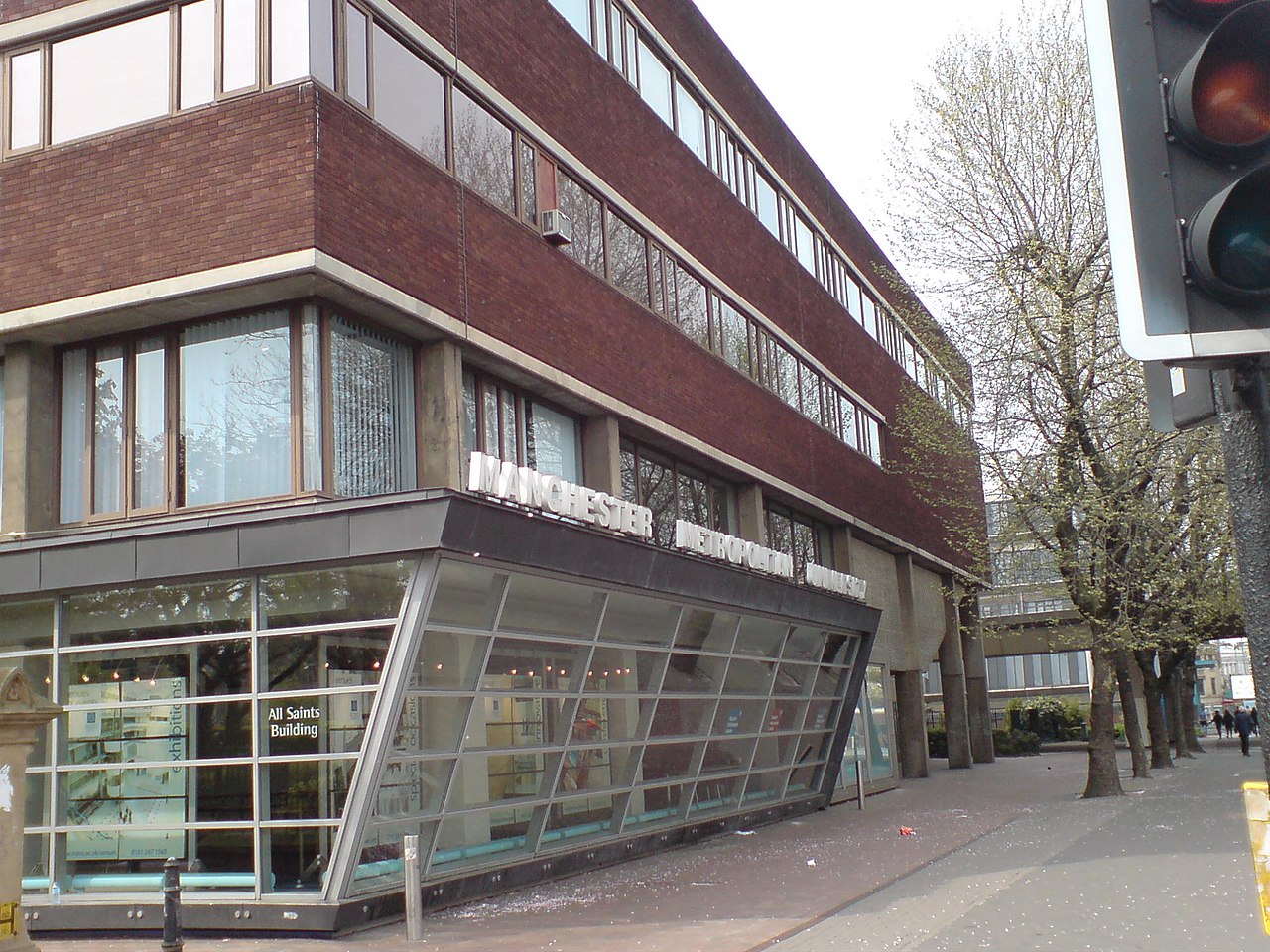
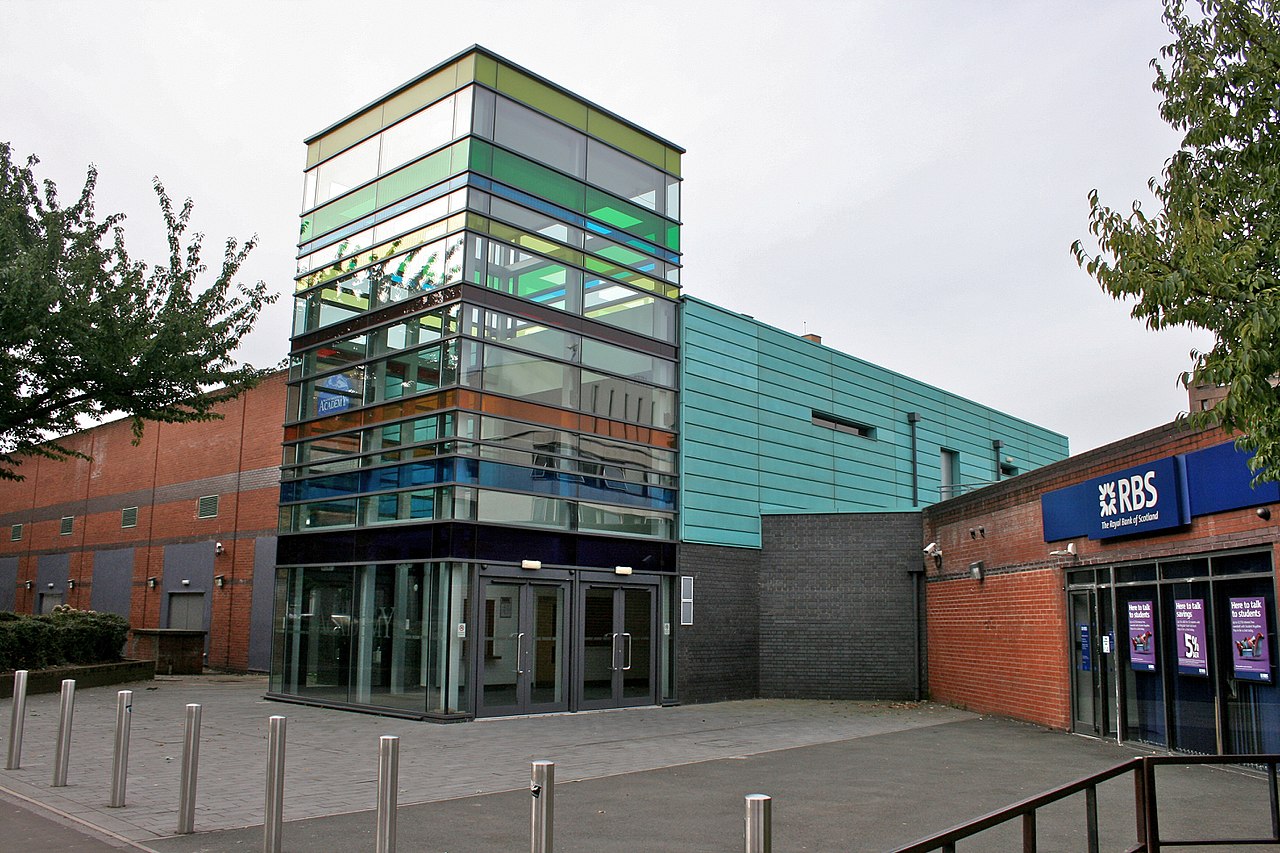
The district has a mixed urban fabric: broad Victorian terraces and former workers' housing sit alongside university buildings and modern hospital blocks. The main higher-education presence includes large campuses of the University of Manchester and the Manchester Metropolitan University, giving the area a significant student and academic population. Public realm improvements, student accommodation and research facilities have altered parts of the streetscape in recent decades.
Hospitals and healthcare
Chorlton-on-Medlock is a major centre for clinical services and medical education. The Manchester Royal Infirmary and an adjoining cluster of specialist units serve adult, women's, paediatric and ophthalmic needs. These include dedicated hospitals for women and children and eye treatment centres, which together form an important hub for patient care, training and clinical research in the city region.
History and notable associations
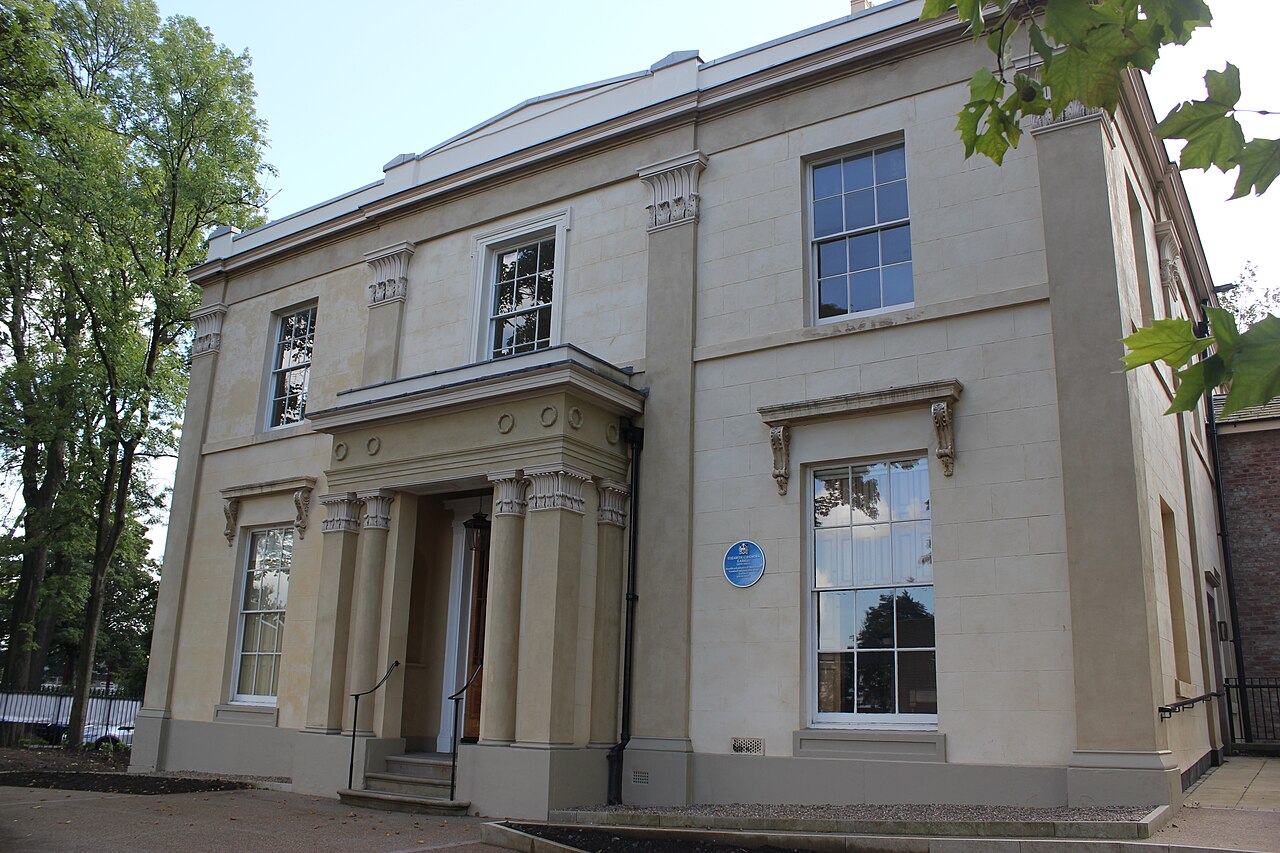
The area expanded rapidly during the Industrial Revolution, when Manchester's growth created demand for housing and services close to the city centre. Many of the surviving terraces and civic buildings date from the 19th century. Chorlton-on-Medlock has cultural and literary associations: the novelist Elizabeth Gaskell lived nearby, and campaigners such as Emmeline Pankhurst are closely linked with Manchester's political history. Statesmen including David Lloyd George are often cited among the district's notable historical figures, reflecting the area's connections with national life.
Institutions, landmarks and amenities
- University campuses and research facilities that contribute to teaching and innovation.
- Manchester Royal Infirmary and specialised hospitals for women, children and eyes.
- Victorian residential streets, local shops and community services serving long‑standing and student households.
Distinctive features and modern role
Today Chorlton-on-Medlock functions as an educational and medical quarter within central Manchester. Its proximity to the city centre, transport links and major institutions means it plays a key role in healthcare delivery, higher education and urban living. The area is sometimes the focus of conservation and regeneration debates as planners balance the preservation of historic buildings with the requirements of modern universities and hospitals.
For an introduction to the district and its institutions, see local history resources and university guides. Readers seeking specific addresses, opening hours or historical records should consult official sources and archives for up-to-date details.
Children's hospital services and ophthalmic centres remain central to the district's identity as both a place of care and learning, while institutions linked to Manchester continue to shape its future.
Related articles
Author
AlegsaOnline.com Chorlton-on-Medlock: Manchester district of education, medicine and history Leandro Alegsa
URL: https://en.alegsaonline.com/art/19986