
Elizabeth Gaskell: novelist, biographer and chronicler of Victorian life
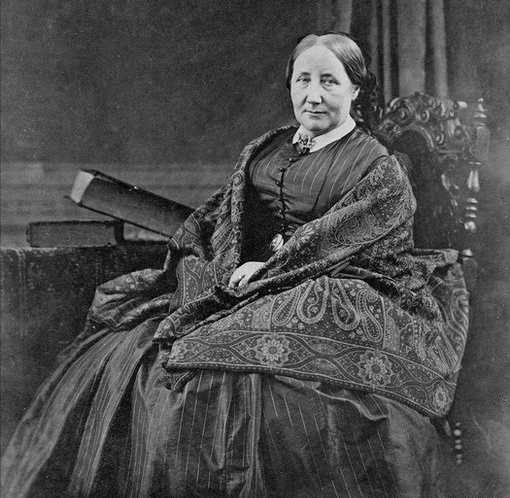
English novelist Elizabeth Gaskell (1810–1865) depicted industrial society and provincial life in novels such as Mary Barton, Cranford, North and South and Wives and Daughters, and wrote a biography of Charlotte Brontë.
Elizabeth Cleghorn Gaskell was a prominent English novelist, short-story writer and biographer whose work illuminates class, gender and social change in Victorian Britain. Often identified as a socially engaged writer, Gaskell combined realism and regional detail with an interest in moral and social questions. She moved between comic sketches of small-town manners and serious treatments of industrial conflict, gaining a readership through serialized publication and magazine circulation.
Image gallery
6 Images



Life and background
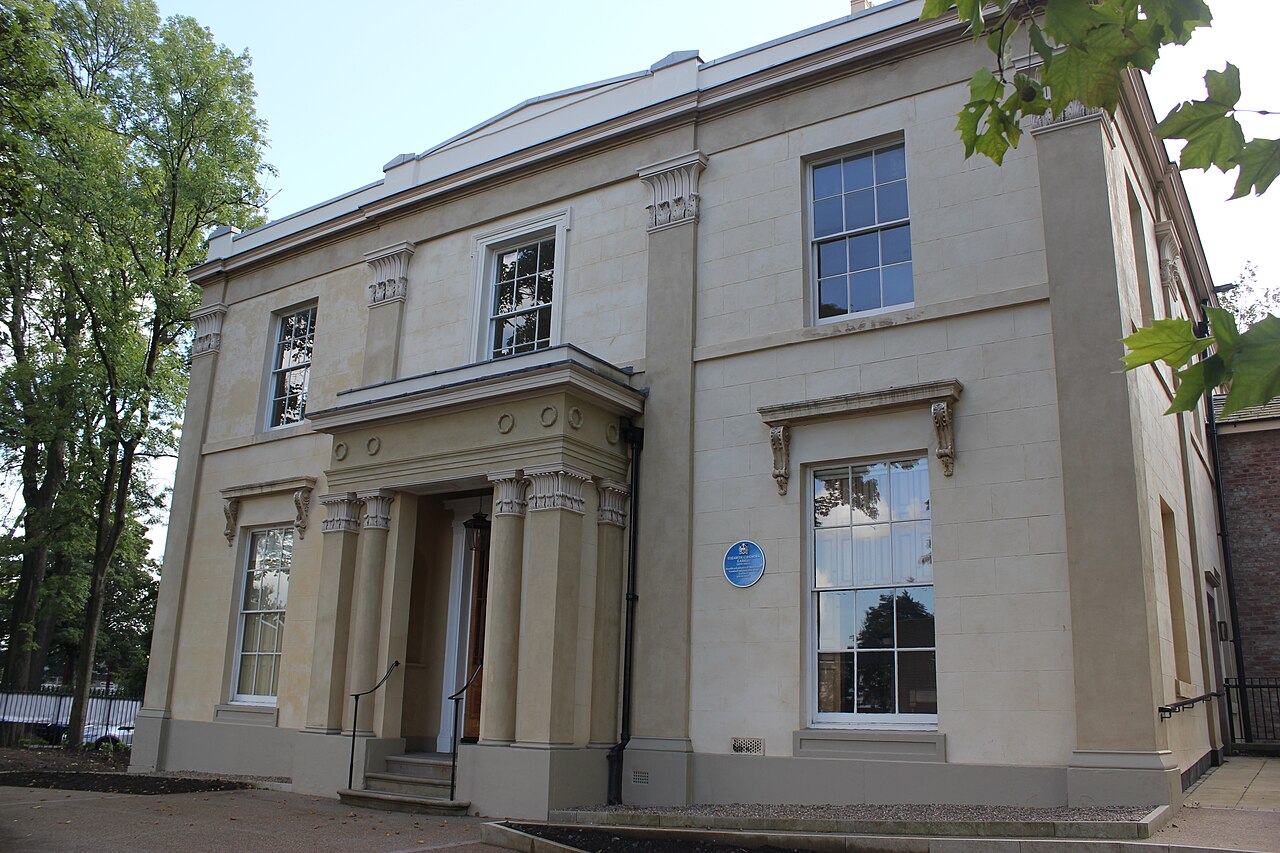
Gaskell was born in Chelsea and spent formative years in the Cheshire town of Knutsford, places that later informed the settings and tone of her fiction. In 1832 she married William Gaskell, a Unitarian minister, and settled in Manchester, where she encountered industrial society at close range. Her household life, friendships with other writers and involvement in local charitable work shaped both her subject matter and her outlook. She and her husband raised a family and hosted a wide circle of intellectual and religious acquaintances.
Major works and publication
Gaskell wrote novels, short stories and a well-known life of a fellow novelist. Her major fictional works include Mary Barton, a novel of working-class hardship and urban tension; North and South, which contrasts industrial northern towns with rural southern life; Cranford, a collection of sketches rooted in provincial memory; and Wives and Daughters, a domestic novel praised for its psychological observation. She also produced shorter fiction and pieces for periodicals, and contributed to contemporary magazines including those edited by notable literary figures of the day.
Biography of Charlotte Brontë
Gaskell wrote The Life of Charlotte Brontë, a memoir and biography based on personal acquaintance and correspondence. Published after Brontë's death, the book helped shape the public image of Brontë and brought attention to both authors, while also provoking discussion about privacy and editorial choice in memoir writing. Gaskell's account remains a key source for readers and scholars, though later critics have examined its selective emphases.
Themes, style and legacy
Gaskell's work is notable for its combination of social conscience and domestic realism. She explored the effects of industrialization, class conflict, labor and gender relations without reducing characters to simple types. Her narrative voice could be satirical, compassionate or moralizing according to the demands of the subject, and she often balanced local color with broader social critique. Critics have admired her sympathetic depiction of a wide range of characters and her capacity to present disputes with nuance.
Reception and adaptations
During her lifetime Gaskell's fiction appeared widely in magazines and found a substantial readership. After her death—she died suddenly while visiting Holybourne—her reputation experienced periods of neglect and revival. In the twentieth and twenty-first centuries renewed scholarly attention and numerous screen and stage adaptations of works such as North and South and Cranford have maintained public interest. Readers today often turn to Gaskell for both her humane storytelling and her insights into Victorian social life.
Further resources
Readers seeking introductions to Gaskell's life and writings can consult general literary surveys, selected editions of her novels and collections of letters. Online and library resources provide access to bibliographies and contextual essays; for starting points, see a profile of her as a writer, lists of her publications, material about her Manchester years at local archives and guides to places associated with her such as Knutsford and Manchester. Gaskell's work continues to be studied for its literary craft and its value as a record of nineteenth-century social history.
Related articles
Author
AlegsaOnline.com Elizabeth Gaskell: novelist, biographer and chronicler of Victorian life Leandro Alegsa
URL: https://en.alegsaonline.com/art/30878
Sources
- bbc.co.uk : bbc.co.uk