
Emmeline Pankhurst: leader of the British suffragette movement
Profile of Emmeline Pankhurst (1858–1928), founder of the WSPU, her militant suffrage campaign, wartime stance, later politics and the complex legacy of her struggle for women’s enfranchisement.
Overview
Emmeline Pankhurst (née Goulden; 15 July 1858 – 14 June 1928) was a central figure in the campaign to secure voting rights for women in Britain. She is best known as the founder and organizer of the Women's Social and Political Union (WSPU), an association that adopted the slogan "deeds, not words" and became synonymous with the militant strand of the suffrage movement. Her leadership helped focus public attention on women’s enfranchisement and contributed to legislative change that began in 1918. For her influence on twentieth‑century politics she was later recognized by publications such as Time.
Image gallery
10 Images



Origins and the Women's Social and Political Union
Born into a politically engaged family, Pankhurst became more actively involved in campaigning after the death of her husband in 1898. In 1903 she founded the WSPU to press for the vote through concentrated, women‑led activism. The organization attracted many working‑ and middle‑class women and was driven by a disciplined membership that prioritized public demonstrations, publicity and direct action. The WSPU quickly distinguished itself from more moderate suffrage societies by seeking to provoke sustained public debate and government response. The group is commonly associated with the broader suffragette movement that sought women's political rights.
Methods, imprisonment and hunger strikes
Under Pankhurst's direction the WSPU used confrontational tactics that included mass rallies, interruptions of public meetings, window‑smashing and assaults on symbols of authority. These tactics brought both attention and controversy: opponents criticized the violence, while supporters argued it forced the issue into public view. Members — including Pankhurst and her daughters — were repeatedly arrested and imprisoned. Many prisoners staged hunger strikes; in response authorities resorted to force‑feeding and later to temporary releases under legislation such as the Prisoners (Temporary Discharge for Ill Health) Act 1913, commonly known as the "Cat and Mouse Act." The escalation of protest actions sometimes included arson and other property damage, further polarizing opinion within the suffrage movement and in wider society. See also a record of clashes and policing measures in contemporary reports here and accounts of the use of incendiary tactics here.
World War I and political realignment
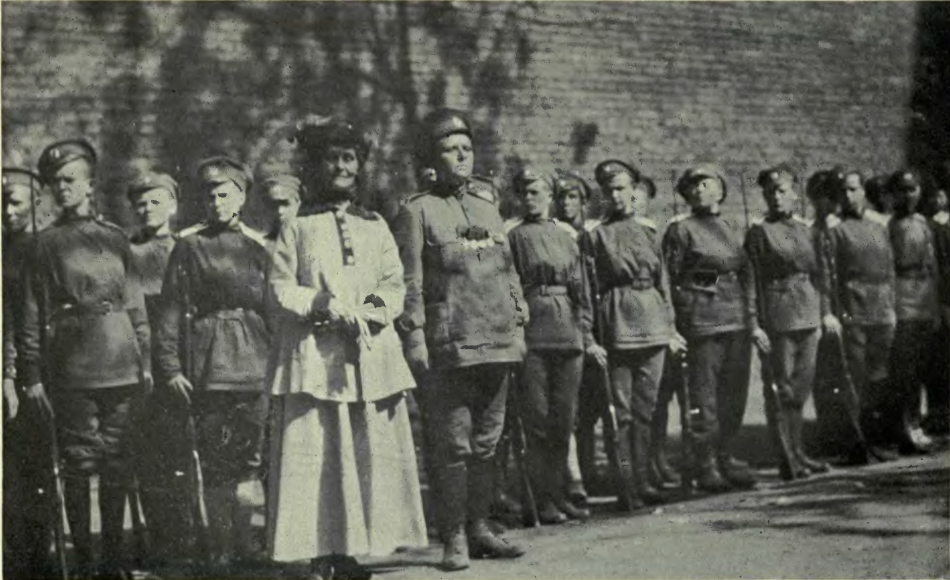
When the First World War began, Emmeline and her daughter Christabel called a suspension of militant activity and urged women to support the national war effort, encouraging industrial work and recruitment. That shift won the WSPU public credit from some quarters and altered Pankhurst's political trajectory. After the war, the 1918 Representation of the People Act extended the franchise to women over 30 who met property qualifications. Pankhurst transformed the WSPU into a new organization, the Women’s Party, which advocated women's equality in civic life and took strong patriotic and, later, anti‑communist stances. Her growing concern about revolutionary movements abroad led her to distance herself from Labour and liberal politics and to move closer to conservative viewpoints; she eventually associated with the Conservative Party later in life, alarmed by what she viewed as the Bolshevik threat.
Family, divisions and later years
Pankhurst’s activism produced deep divisions within her own family. Her daughters Christabel and Sylvia took different political and organisational paths: Christabel remained a key WSPU leader while Sylvia and others left in disagreement over strategy and ideology. These rifts reflected a wider split between militant and moderate suffrage campaigners. After 1918 Pankhurst continued public work through the Women’s Party and other civic causes. She died in 1928, shortly before the Equal Franchise Act granted equal voting rights to women on the same terms as men; two years after her death she was commemorated with a statue in London's Victoria Tower Gardens.
Legacy and significance
Emmeline Pankhurst's legacy is complex. She is credited with elevating the urgency of the suffrage cause and applying methods that accelerated public and parliamentary attention to women's political exclusion. At the same time, her endorsement of militant tactics and later political conservatism have made her a contested figure in social and feminist histories. Her leadership demonstrated the political power of organized women’s activism and left a lasting imprint on subsequent campaigns for gender equality. For further historical summaries and archival materials see brief references on enfranchisement and curated collections about the movement. Additional biographical notes and critical studies may be consulted via general resources on protest policing, on extremist tactics and perspectives about the period on anti‑communism.
Related articles
Author
AlegsaOnline.com Emmeline Pankhurst: leader of the British suffragette movement Leandro Alegsa
URL: https://en.alegsaonline.com/art/118477
Sources
- time.com : "Emmeline Pankhurst – Time 100 People of the Century"
- parliament.uk : "Start of the suffragette movement"
- biography.com : "Emmeline Pankhurst"