
Christmas Island (Australian external territory)
Christmas Island is a small Australian territory in the eastern Indian Ocean, known for its unique wildlife, phosphate-mining history and national park that preserves much of the island's rainforest.
Overview

Christmas Island is an external territory of Australia located in the eastern Indian Ocean. It lies roughly 2,600 km northwest of Perth on the coast of Western Australia and about 500 km south of Jakarta in Indonesia. The island is small and geographically isolated, and its remote position has helped preserve many endemic species and distinctive landscapes.
Image gallery
10 Images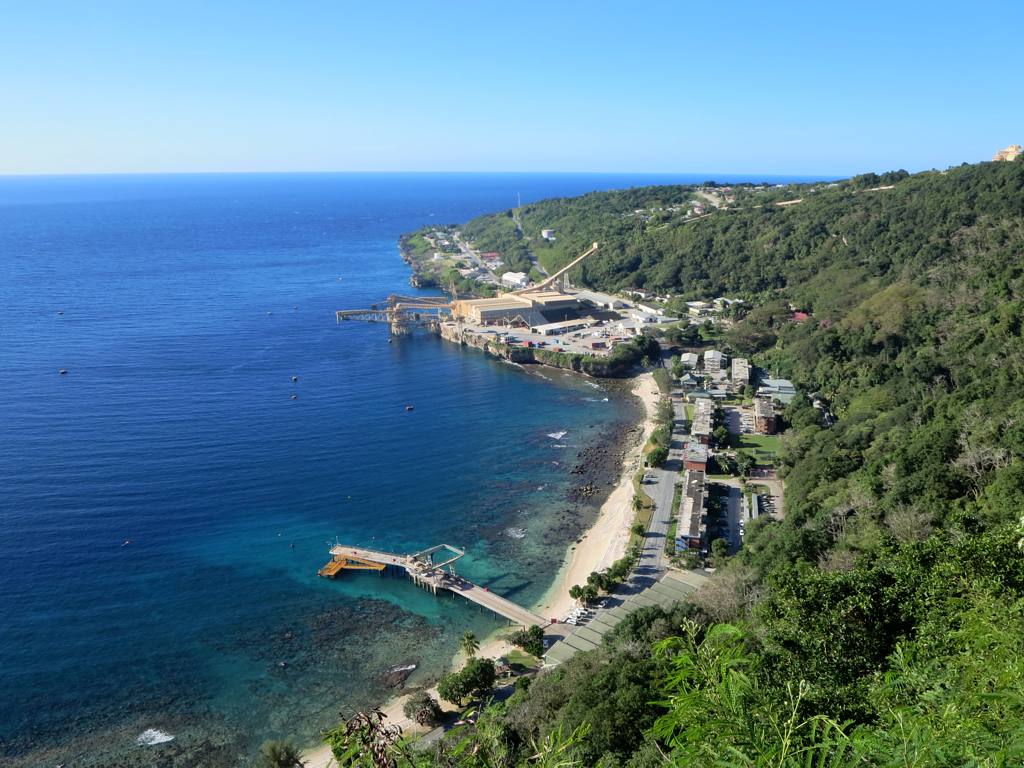




Geography and environment
The island rises from the sea as a high, rugged mass of limestone and volcanic rock fringed by coral reefs and steep coastal cliffs. Much of the interior is covered by tropical rainforest. Because of its isolation and relatively low human population density, substantial tracts of habitat remain intact; about 65% of the island is designated as a national park to protect its ecosystems and species.
Population and settlements
The resident population is small—around 1,600 people—living mainly in a cluster of settlements on the northern coast. Principal communities include:
- Flying Fish Cove (locally called Kampong), the main port and administrative centre
- Settlement, a residential area
- Silver City, a settlement tied historically to mining operations
- Poon Saan, a town with strong cultural links to Chinese settlers
- Drumsite, another residential district
History and administration
Named after being sighted on Christmas Day in the 17th century, the island has a history shaped by resource extraction and changing colonial administration. Phosphate deposits discovered on the island led to commercial mining from the late 19th century, and mining shaped settlement patterns and infrastructure. Today the island is administered by the Australian government as an external territory, and its governance reflects both local communities and federal responsibilities.
Wildlife and conservation
Because of its long isolation, Christmas Island harbours numerous endemic species of plants and animals. The island is famous for the annual red crab migration, when millions of land crabs move from the forest to the coast to breed—an event that attracts scientific and public interest. Other notable island wildlife includes endemic birds, molluscs and invertebrates adapted to the island's rainforests and coastal ecosystems. Conservation efforts focus on protecting these native species from threats such as invasive predators, habitat loss and the legacy impacts of mining.
Economy and significance
The island economy was dominated by phosphate mining for much of its modern history; although mining has declined, it shaped the island's communities and built much of its infrastructure. Present-day economic activity includes government services, small-scale tourism drawn by natural attractions, and local commerce. The national park and conservation values are now important both for biodiversity protection and for sustainable tourism opportunities.
Notable facts and distinctions
- High level of endemism due to isolation: many species occur nowhere else on Earth.
- Large portion of the land is protected as national park—about two thirds of the island.
- Small, tightly clustered settlements on the northern shore concentrate most of the human population.
For more information about the island’s geography, wildlife and current administration, consult official sources and conservation organisations that publish updates on management and visitor access.
Questions and answers
Q: Where is Christmas Island located?
A: Christmas Island is located in the Indian Ocean, 2600 kms northwest of Perth in Western Australia and 500 km south of Jakarta, Indonesia.
Q: How many people live on Christmas Island?
A: About 1,600 people live on Christmas Island.
Q: Where do most people live on Christmas Island?
A: Most people live in a number of "settlement areas" on the north of the island, including Flying Fish Cove (also known as Kampong) Settlement, Silver City, Poon Saan, and Drumsite.
Q: Why are many of the plants and animals only found on Christmas Island?
A: Christmas Island is far from other islands, which is why many of the plants and animals are only found on that Island.
Q: Was there ever mining on Christmas Island?
A: Yes, there used to be mining on the island.
Q: What percentage of Christmas Island is now National Park?
A: 65% of Christmas Island is now National Park.
Q: Is Christmas Island heavily disturbed by humans?
A: Much of Christmas Island is undisturbed by humans.
Related articles
Author
AlegsaOnline.com Christmas Island (Australian external territory) Leandro Alegsa
URL: https://en.alegsaonline.com/art/20152
Sources
- commons.wikimedia.org : Christmas Island
- wilderness.org.au : "Save Christmas Island - Introduction"
- ga.gov.au : Geoscience Australia on Christmas Island
- abc.net.au : "ABC Local - Garrett goes in to bat for endangered pipistrelle"
- iucnredlist.org : "Pipistrellus murrayi (Christmas Island Pipistrelle)"
- thecommonwealth.org : Commonwealth Secretariat - Member States
- wikidata.org : wikidata.org/wiki/Q31063
- d-nb.info : 4219436-2
- id.loc.gov : n84078142
- musicbrainz.org : 5bc803ff-c3f9-3c36-a7d6-80bc1ab4a34e
- catalog.archives.gov : 10044889
- aleph.nkp.cz : ge754660
- viaf.org : 141942963
- worldcat.org : lccn-n84078142