
Choctaw (Native American people)
The Choctaw are a Native American people of the Southeastern Woodlands, historically centered in present-day Mississippi and Alabama. Today they maintain sovereign tribal governments, language, and cultural practices.
Overview
The Choctaw are an Indigenous people originally based in the southeastern United States, a region often called the Southeastern Woodlands. Their traditional territory covered what is now southern Mississippi, central Alabama and parts of Louisiana and eastern Texas. The Choctaw community is known for its language, social organization, agricultural traditions, and continuing cultural presence. For general background see overview resources.
Image gallery
8 Images


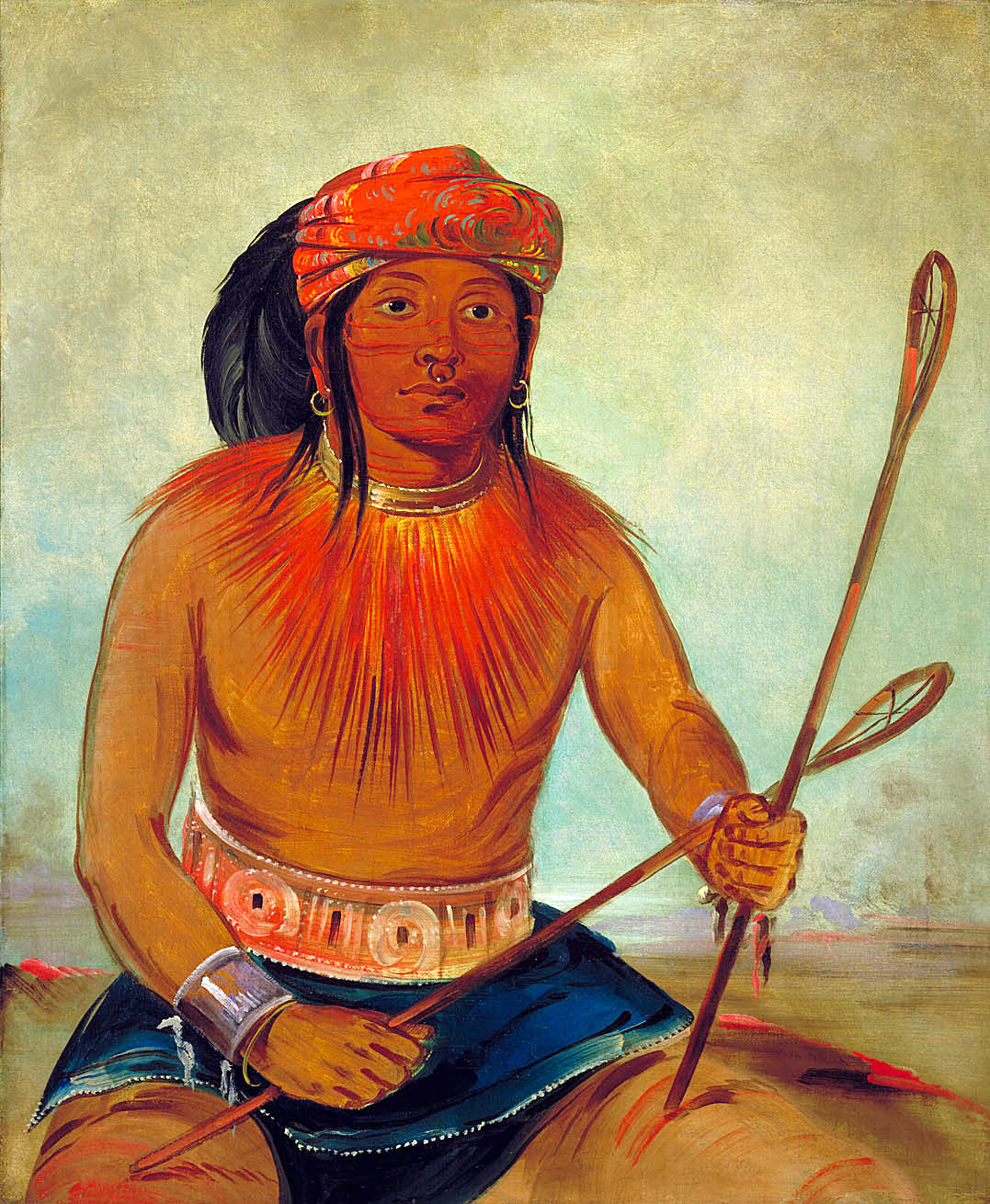


History and movement
Before sustained European contact, the Choctaw lived in village communities that cultivated maize, beans and squash and engaged in hunting and trade with neighboring nations. During the colonial and early United States periods they formed diplomatic and trading relationships with European powers and later with the U.S. government. In the 19th century, many Choctaw were forced from their ancestral lands by federal Indian Removal policies; a large group was relocated to Indian Territory (present-day Oklahoma). Others remained in the Southeast and later reorganized under separate bands. Historical context is discussed in regional histories and archives (Southeastern Woodlands).
Language and social structure
The Choctaw speak the Choctaw language, a member of the Muskogean language family closely related to Chickasaw; linguistic resources and comparative studies refer to the relationship with the Chickasaw language (Chickasaw link). Traditionally, social life emphasized kinship networks, clan affiliations and a balance of communal and family responsibilities. Many historical accounts describe matrilineal elements in descent and property practices, and women historically held significant roles in domestic, economic and social affairs.
Modern tribal nations
Three federally recognized Choctaw tribes exist today. They each maintain their own government, services and cultural programs:
- Choctaw Nation of Oklahoma — a large tribal government representing descendants of those removed to Indian Territory.
- Mississippi Band of Choctaw Indians — communities in central and eastern Mississippi that preserved continuity in the Southeast; see local initiatives at Mississippi-focused resources.
- Jena Band of Choctaw Indians — a smaller recognized group in Louisiana with its own community programs; see regional links under Alabama and Louisiana context for broader regional history.
Culture, achievements and notable facts
Choctaw culture includes traditional crafts, music, dance, storytelling and seasonal ceremonies, and contemporary cultural revitalization projects support language learning and youth programs. The Choctaw also played a notable role in modern military history: during World War I, Choctaw soldiers used their language to transmit battlefield messages securely, a fact often cited in discussions of Indigenous contributions to U.S. military communications.
Contemporary life and importance
Today Choctaw tribes operate schools, health services, cultural centers and economic enterprises that support tribal sovereignty and community welfare. Ongoing efforts focus on language revival, protection of cultural sites, and education about Choctaw history both within and beyond their communities. For comparative cultural and linguistic study, several academic and tribal resources provide further reading and materials (general resources, linguistic comparisons).
Related articles
Author
AlegsaOnline.com Choctaw (Native American people) Leandro Alegsa
URL: https://en.alegsaonline.com/art/19929
Sources
- census.gov : "American Indian, Alaska Native Tables from the Statistical Abstract of the United States"