
Macau (Macao) — Special Administrative Region of China
Concise encyclopedia entry on Macau: geography, history, government status, languages, economy (gambling and trade), cultural heritage and practical distinctions from mainland China.
Overview
Macau (also spelled Macao) is one of the two Special Administrative Regions of the People's Republic of China. It occupies a small but densely populated territory on China’s southern coast and is governed under a model that grants a high degree of local autonomy. The region combines Chinese and Portuguese historical influences and is widely known for its gaming industry, historic architecture and multilingual environment.
Image gallery
10 Images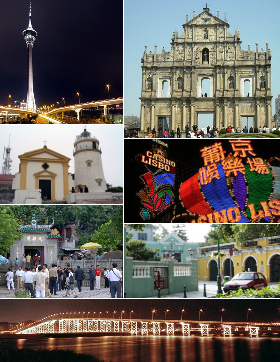
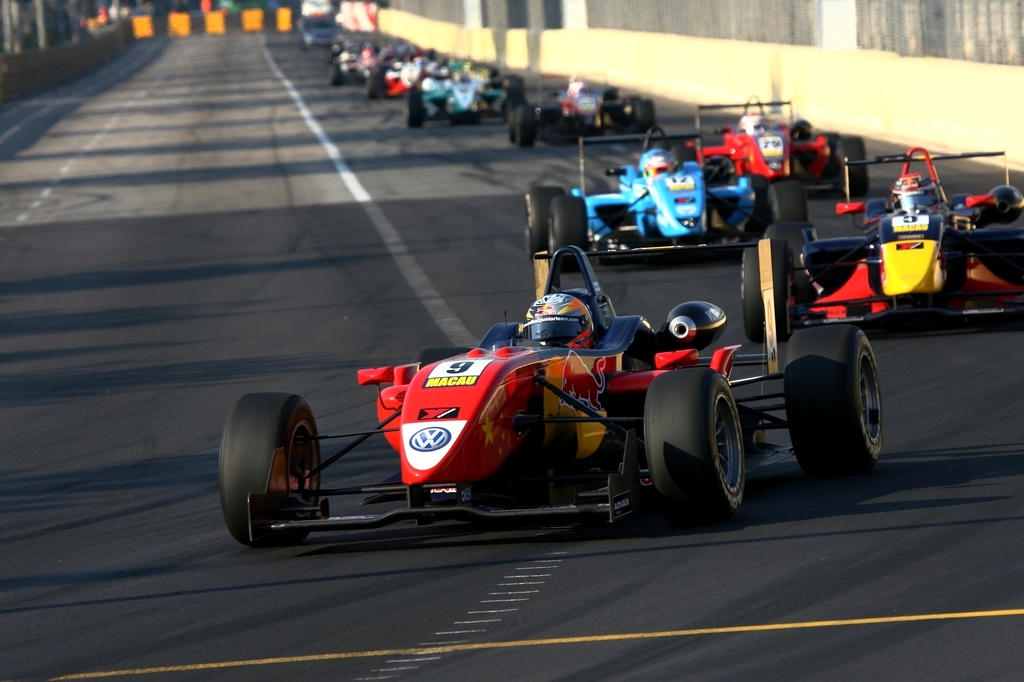


Geography and administrative parts
The territory comprises several connected and reclaimed areas: the Macau Peninsula, the islands of Taipa and Coloane, and the low-lying Cotai area formed by landfill between Taipa and Coloane. These divisions are commonly referenced in local planning and tourism guides. The core urban area is compact and highly built-up, contributing to one of the highest population densities in the world. For concise references to local place names and measurements see official sources area and statistics.
Historical development
Macau was shaped by centuries of maritime trade and by a long period of Portuguese administration, which left visible marks on architecture, law and some public institutions. Sovereignty was transferred from Portugal back to China in 1999 under an agreement that preserved Macau’s legal and economic systems for a defined period. The colonial past explains why Portuguese remains an official language and why specific aspects of civil administration differ from those on the mainland.
Government status and legal framework
As a Special Administrative Region Macau operates under a principle that allows it to retain separate economic and legal systems from mainland China. It issues its own travel documents and maintains a regional currency and financial regime. The arrangement is often summarized by references to the region’s high degree of autonomy, its own passport options for residents, and its distinct currency. Institutional foundations are set out in the Macau Basic Law, the region’s constitutional text Basic Law.
Languages, population and culture
Macau’s linguistic landscape is multilingual. Written forms of Chinese appear alongside Portuguese in official signage; local spoken varieties are dominated by Cantonese, while Mandarin has become more commonplace. Portuguese retains official status, though relatively few households use it as the primary spoken language; English also appears widely in commerce and tourism. Written forms and romanizations are reflected in place names and scholarly references—examples include simplified Chinese characters simplified, traditional characters traditional, pinyin pinyin and Cantonese romanization systems such as Jyutping. The multicultural scene is visible in festivals, cuisine and the UNESCO-recognized historic centre.
Economy and principal activities
Macau’s economy is notable for the dominance of leisure, hospitality and gaming sectors. The region is one of the world’s largest gambling markets by revenue, significantly outpacing established casino hubs elsewhere. This economic profile has driven major investment in hotels, entertainment and retail, and also shaped labor and real estate markets. Beyond gaming, small manufacturing and exports—historic clothing and light industrial goods—contribute to the local economy. For general comparisons with other gaming centers including references to relative revenues see materials on global gambling hubs such as gambling and comparative data that mention places like Las Vegas.
Notable distinctions and practical information
- Political relationship: Macau is one of two SARs; the other is Hong Kong, both of which are part of China but retain separate systems.
- Language mix: official languages include Portuguese and Chinese, while English is commonly used in business; spoken dialects include Cantonese and increasingly Mandarin.
- Cultural legacy: Portuguese colonial history and Chinese traditions coexist in cuisine, festivals and urban heritage.
Because of its compact size and special status, Macau offers a concentrated example of cross-cultural exchange, legal pluralism and a service-oriented economy anchored by tourism and gaming. Those seeking further official or statistical information can consult regional government resources and specialized studies on law, language and economic performance, including materials that discuss Macau’s relationship with mainland Chinese institutions and international comparisons of administrative histories that refer to it as a former colony administered by Portugal.
For readers interested in language details and local naming conventions, background on written and spoken forms is available through entries and resources describing simplified and traditional characters, simplified / traditional usage, romanization systems like pinyin and Jyutping, and notes about how Cantonese functions alongside other regional varieties.
Name
The full name of Macau is in Cantonese Jūng'wàh Yàhnmàhn Guhng'wòhgwok Oumún Dahkbiht Hàhngjingkēui resp. in High Chinese Zhōnghuá Rénmín Gònghéguó Àomén Tèbié Xíngzhèngqū (中華人民共和國澳門特別行政區 / 中华人民共和国澳门特别行政区  ) and in Portuguese ( ).
Geography
Landscape
Macau is located in the estuary delta of the Pearl River. The territory of today's Special Administrative Region originally consisted of three islands. The islands of Taipa and Coloane were connected to each other and Macau to the mainland by land fill. The islands are connected to the peninsula and the mainland by several bridges.
Both the peninsula and the island area consist of small granite hills surrounded by lowland areas. Before the hills were cleared for firewood and timber, the original vegetation was evergreen tropical rainforest. The highest point is Alto de Coloane on Coloane at 172.5 meters.
· 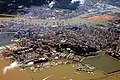
Aerial view of the Macau Peninsula (2004)
· 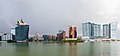
Lago Nam Van (2013)
Climate
| Macau | ||||||||||||||||||||||||||||||||||||||||||||||||
| Climate diagram | ||||||||||||||||||||||||||||||||||||||||||||||||
| ||||||||||||||||||||||||||||||||||||||||||||||||
| Monthly average temperatures and precipitation for Macau
Source: wetterkontor.de. Retrieved 27 February 2014. | ||||||||||||||||||||||||||||||||||||||||||||||||||||||||||||||||||||||||||||||||||||||||||||||||||||||||||||||||||||||||||||||||||||||||||||||||||||||||||||||||||||||||||||||||||||||||||||||||||||||||||||||||||||||||||||||||||||||||||||||||||||||||||||
Partly tropical influences give Macau a dry, humid monsoon climate. Four-fifths of the average rainfall of 2,120 mm/m² falls in the rainy summer season (April to September), when the southwestern monsoon blows. Temperatures range from 15 °C in winter to an average of 29 °C in summer. Apart from the rain, the summer months are hot, humid and uncomfortable. The winter months, on the other hand, are slightly cooler, less humid and more bearable.
Related articles
Author
AlegsaOnline.com Macau (Macao) — Special Administrative Region of China Leandro Alegsa
URL: https://en.alegsaonline.com/art/60278
Sources
- bo.io.gov.mo : Macao Basic Law
- gov.mo : Macao Government Website
- dsec.gov.mo : "Demographic Statistics for the 2nd Quarter 2012"
- dsec.gov.mo : "Results of 2011 Population Census"
- cia.gov : CIA World Factbook
- dsec.gov.mo : "Macao in Figures 2010"
- forbestravelguide.com : "What language is spoken in Macau?"
- money.cnn.com : "Macau's gambling industry dwarfs Vegas"
- seattletimes.com : seattletimes.com/nation-world/coronavirus-shuts-macao-the-worlds-gambling-capital/
- wikidata.org : wikidata.org/wiki/Q14773
- d-nb.info : 4036791-5
- id.loc.gov : n00020499
- musicbrainz.org : ed4e8ad9-2b33-3133-b105-28bb719d6ce8
- catalog.archives.gov : 10044788
- id.ndl.go.jp : 00648292