
Coast Miwok: Indigenous peoples of the northern California coast
Coast Miwok are Native American peoples historically from Marin and southern Sonoma counties in Northern California, known for coastal lifeways, basketry, and continuing cultural presence.
Overview
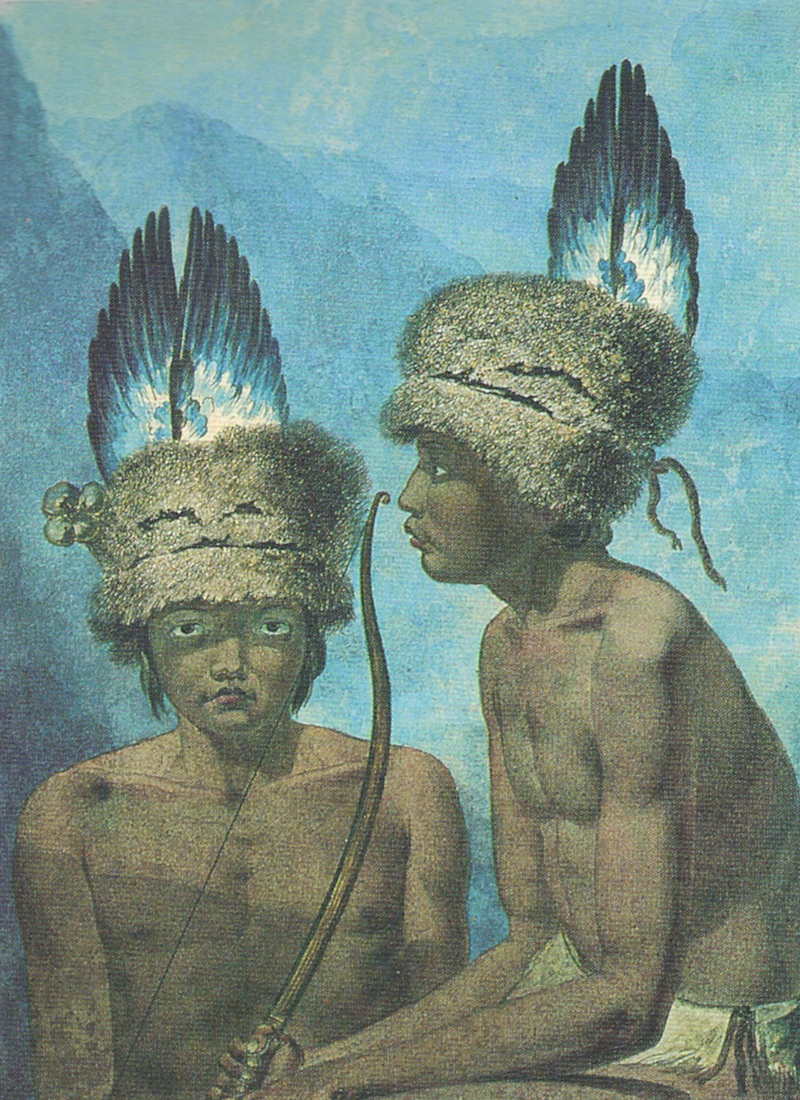
The Coast Miwok are Indigenous peoples who traditionally lived along the Pacific shore and inland valleys of what is now the northern San Francisco Bay region. They formed part of the larger Miwok cultural and linguistic group and spoke Coast Miwok, one of the Miwokan languages in the broader Utian family. Coast Miwok societies were organized around villages and seasonal resource use rather than centralized states.
Image gallery
6 Images



Territory and settlements
Coast Miwok lands extended across present-day Marin County and southern Sonoma County, including coastal headlands, estuaries, and nearby islands and reefs. Communities occupied permanent and seasonal villages near freshwater sources, estuaries, and productive tidal areas. Archaeological sites such as shell middens and village remains document long-term habitation in this region.
Culture, economy, and material life
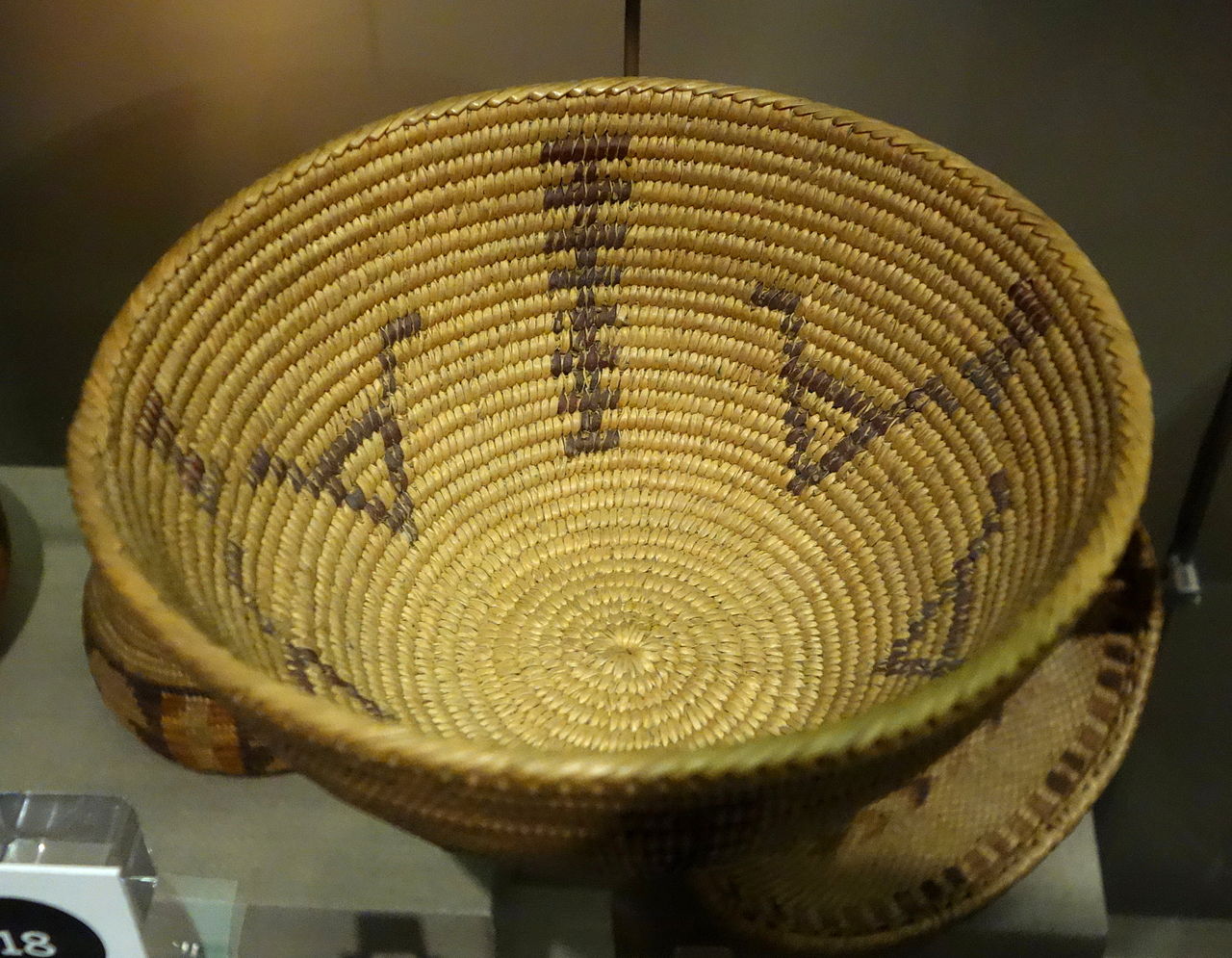
The Coast Miwok economy relied on a mixed hunter-gatherer and fishing strategy. Acorns were a dietary staple after processing into meal, supplemented by fish, shellfish, marine mammals, deer, small game, and gathered plants. Skilled basketry, often finely woven and waterproof for food processing and storage, is a well-known craft. Social life included ceremonies, shamans or spiritual specialists, and networks of intermarriage and trade with neighboring groups.
History of contact and change
Beginning in the late 18th century, Spanish exploration and missionization reached Coast Miwok regions. Many community members were brought into the mission system, which, along with introduced diseases and colonial disruption, caused sharp population and cultural losses. Later European and American settlement further transformed land use and access to traditional resources.
Modern descendants and recognition
Descendants of Coast Miwok people continue to live in Marin and Sonoma counties and beyond, maintaining cultural practices, language revival efforts, and political organizations. Some groups have gained formal recognition and work to protect sacred sites, preserve archaeological remains, and teach traditional crafts and stories to new generations. For further reading, consult regional ethnographies and tribal resources such as local cultural centers.
- Language family: Miwokan (Utian)
- Key resources: acorns, fish, shellfish, deer
- Notable cultural expressions: basketry, oral traditions, ceremonial life
The Coast Miwok heritage remains an important part of Northern California's cultural landscape, visible in place names, archaeological sites, and ongoing community traditions.
Related articles
Author
AlegsaOnline.com Coast Miwok: Indigenous peoples of the northern California coast Leandro Alegsa
URL: https://en.alegsaonline.com/art/21232