
Chicken soup: ingredients, varieties, history and uses
A clear-broth soup made by simmering chicken with vegetables; often includes grains, pasta or dumplings. A worldwide comfort food with traditional use for respiratory illness and many regional variants.
Overview
Chicken soup is a simple, widely prepared dish in which chicken is simmered to produce a flavorful broth. Typical examples use a clear stock that contains pieces of cooked poultry and vegetables, and may be finished with grains, pasta or dumplings. It is served hot and is prized for its taste, aroma and relatively gentle digestibility.
Image gallery
10 Images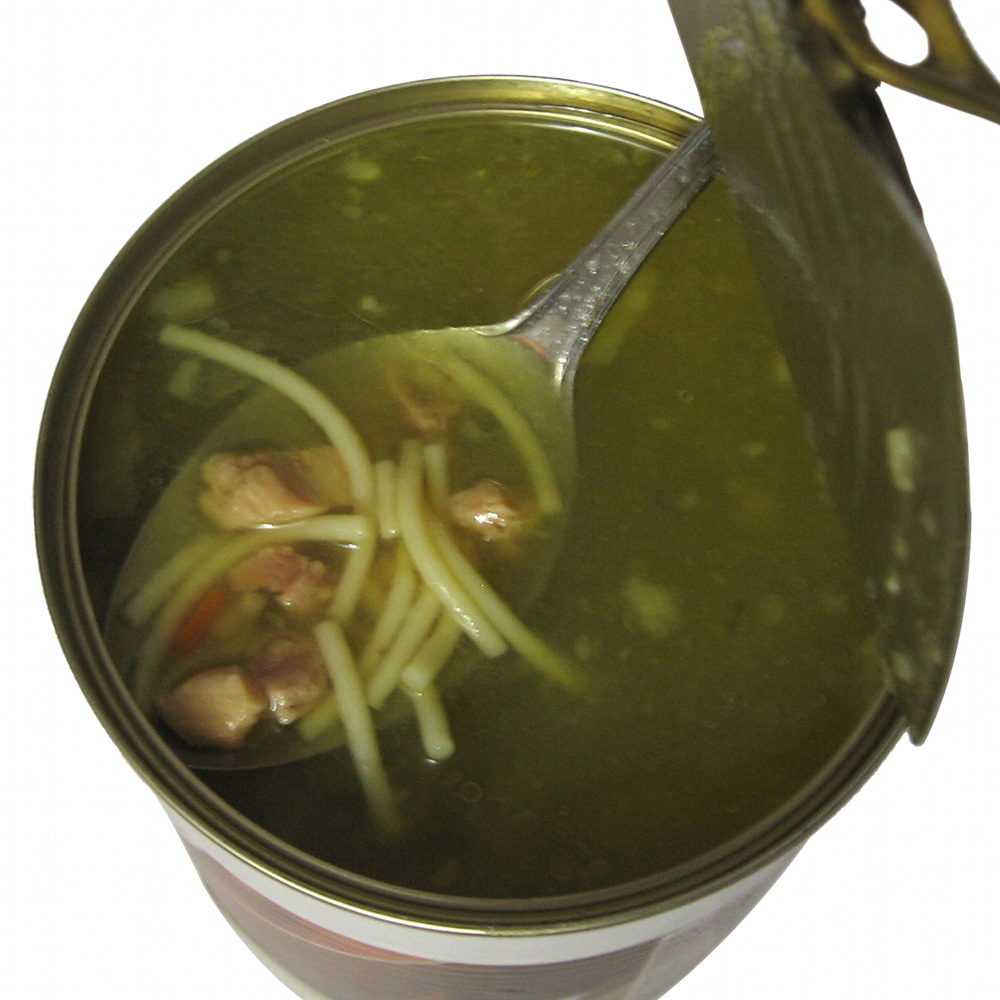



Characteristics and common ingredients
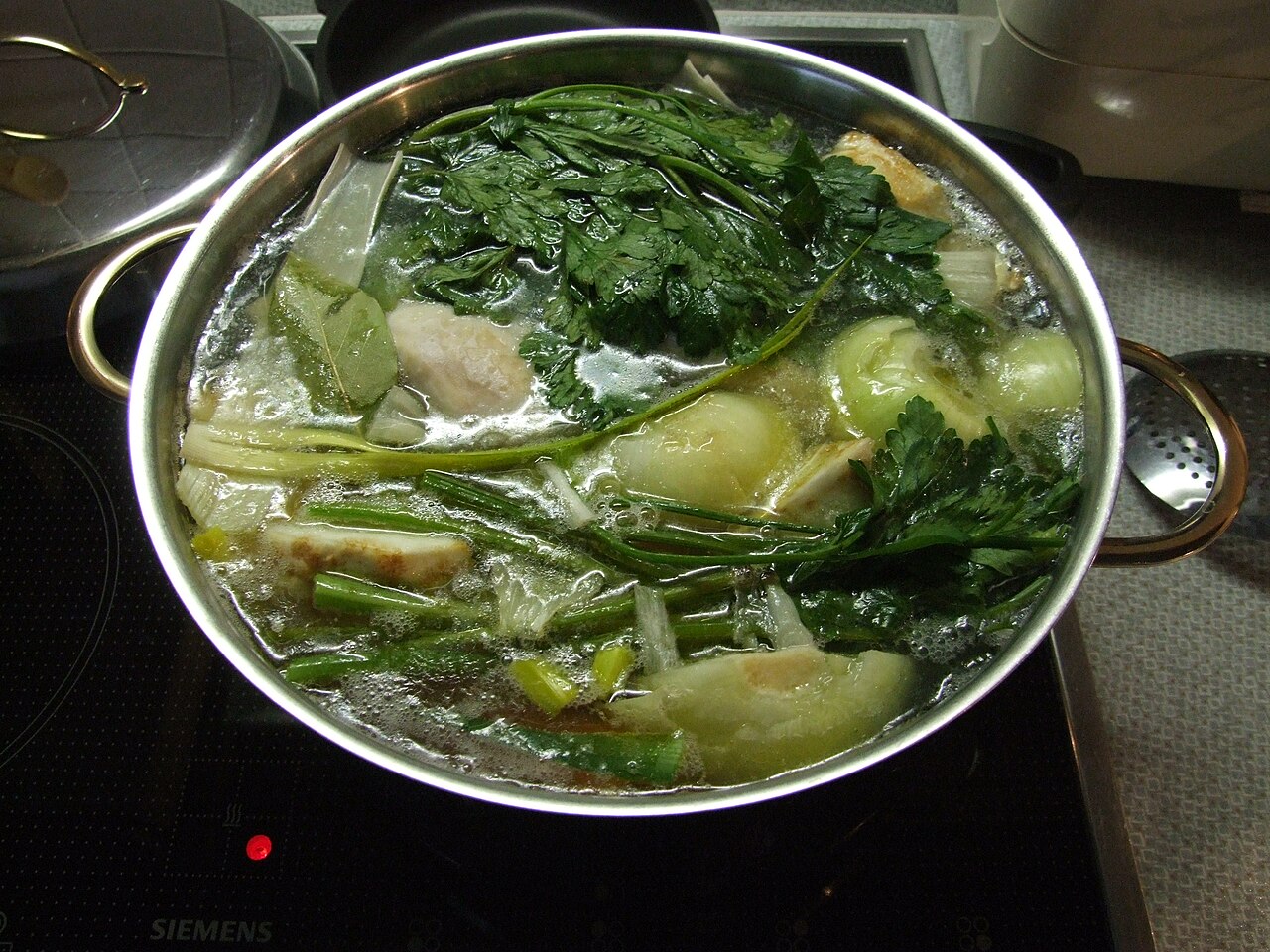
The base is usually water (water) and chicken, often with bones to enrich the broth. Vegetables commonly include carrots, onion, celery and herbs such as parsley. Additional items vary by culture and may include rice, noodles, barley, matzo balls or regional dumplings. Seasonings are typically simple—salt, pepper and bay leaf—so the chicken flavor remains central.
Preparation and variations
Preparation ranges from a quick broth using boneless meat to a long-simmered stock made from whole birds or carcasses. Many cuisines adapt the basic idea: East Asian versions may add ginger and soy; Southeast Asian soups might use coconut milk or lemongrass; Jewish cuisine is known for chicken soup with matzo balls; and Western home styles usually include noodles. Canned and instant forms are also widely available.
History and cultural role
Versions of poultry-based broths appear in many culinary traditions. Over time, chicken soup has become culturally significant as a home remedy and comfort food. It is often prepared for the ill, for new parents and during colder seasons. The exact origin of the dish is indistinct because similar methods of extracting flavor from meat and bones developed independently in many regions.
Uses and perceived benefits
Many people regard chicken soup as a soothing remedy for colds and mild respiratory infections. Scientific studies suggest warm broth can ease congestion and provide hydration and calories when appetite is reduced; however, it is not a substitute for medical treatment when needed. Beyond potential symptomatic relief, its nutritional value depends on ingredients and preparation—homemade versions can supply protein, electrolytes and micronutrients.
Notable distinctions
- Clear-broth versus creamy: most traditional recipes favor a clear stock, while some modern recipes add cream or thickeners.
- Functional additions: noodles, rice, dumplings or grains change texture and make the soup more filling.
- Cultural identity: individual variants are often linked to particular holidays, regional tastes or ritual uses.
Whether homemade or commercially produced, chicken soup remains a global staple valued for its familiarity, warmth and adaptability.
Related articles
Author
AlegsaOnline.com Chicken soup: ingredients, varieties, history and uses Leandro Alegsa
URL: https://en.alegsaonline.com/art/19572