
Chocolate cake — overview, varieties, baking and serving
Comprehensive guide to chocolate cake: ingredients, common varieties, basic baking steps, icings, regional specialties, storage and serving suggestions for home bakers and shoppers.
Chocolate cake is a broad category of sweet baked desserts in which cocoa powder or melted chocolate provides the primary flavor and color. Recipes range from simple one‑bowl mixes for everyday home baking to elaborate layered gateaux served on special occasions. Whether made with dark, milk or white chocolate equivalents, the basic idea is combining a fat, sugar, eggs, flour and chocolate to create a tender, chocolate‑flavored crumb.
Image gallery
10 Images

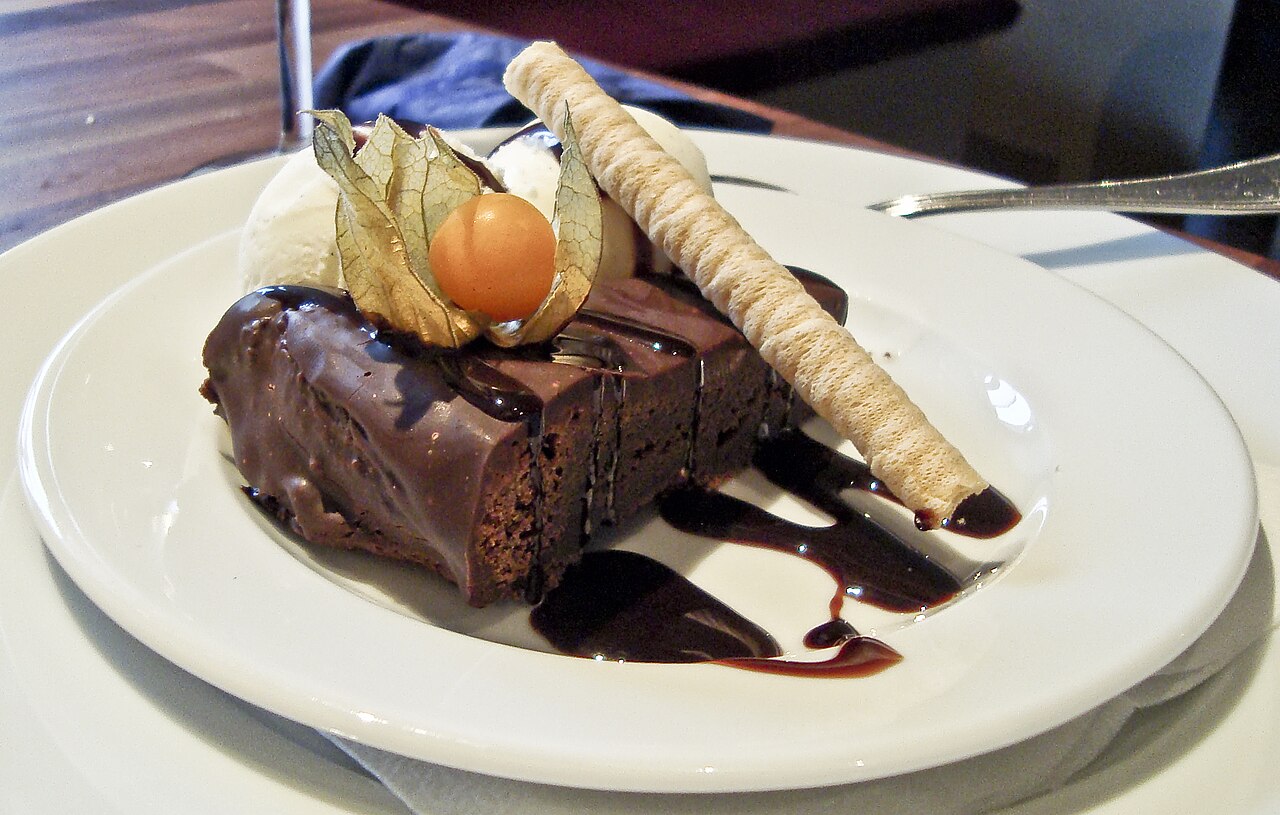


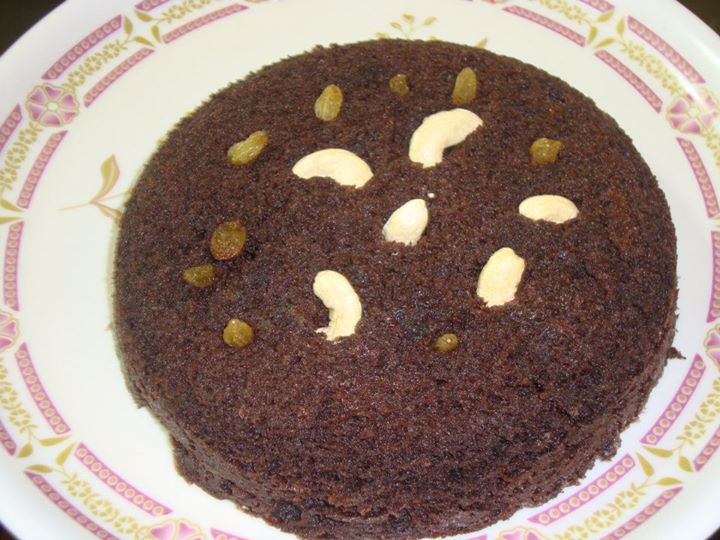
Typical ingredients and basic process
Common components include flour, sugar, eggs, butter or oil, a leavening agent and cocoa powder or melted chocolate. Bakers often add milk or buttermilk to adjust texture and baking soda or powder to help rise. The components are mixed, poured into a prepared pan, and baked in an oven until a skewer comes out mostly clean. After cooling, many cakes receive a finish such as buttercream, ganache or a simple dusting of cocoa.
For guidance on ingredient proportions or technique, consult an ingredient guide or a step‑by‑step recipe. For differences between cocoa and chocolate, see a primer on chocolate types at chocolate basics.
Common varieties and notable examples
- Layer cakes: Two or more thin sponge layers filled with frosting or ganache.
- Devil's food: A richer, darker, often more moist variety using extra cocoa or melted chocolate.
- Flourless chocolate cake: Dense, often gluten‑free, relying on eggs and chocolate for structure.
- Regional specialties: French gâteau au chocolat, Austrian Sachertorte and German Black Forest cake (Schwarzwälder Kirschtorte) represent historic styles and finishes.
Many home bakers adapt recipes by switching chocolate types or adding flavorings such as coffee, orange zest, or liqueur. For techniques specific to icings and glazes, see a frosting reference at frosting guide.
History and development
Chocolate‑flavored cakes became widespread after cocoa powder and refined chocolate became commercially available and baking chemistry advanced. Over time, techniques evolved from dense puddings to lighter sponge and butter cakes. Regional traditions developed distinct presentations — for example, a chocolate sponge with a jam layer in some Austrian recipes or chocolate with cherries and whipped cream in the Black Forest style.
Uses, serving and storage
Chocolate cake is served for everyday desserts, birthdays and formal desserts alike. It freezes and refrigerates well: whole or sliced cakes wrapped tightly keep flavor and moisture for later use. Many bakers recommend bringing chilled cakes to room temperature before slicing for best texture. For pairing ideas and storage tips consult a resource on finishing and serving at serving suggestions.
Practical tips and distinctions
- Substitute cocoa powder for melted chocolate by adjusting fat and sugar; check a conversion chart at cocoa vs chocolate.
- Oil gives a moister crumb while butter adds flavor and structure; choose based on texture preferences.
- Adjust sweetness and bitterness by varying chocolate percentage or using espresso to deepen chocolate flavor without adding coffee taste.
- Store icings and perishable fillings refrigerated; stable buttercreams can sit longer at room temperature.
Whether purchased from a bakery or prepared at home, chocolate cake remains one of the most versatile and popular desserts worldwide. For additional techniques, ingredient substitutions and variations, consult tutorials or community recipe collections at baking tools and recipe libraries.
Further reading and curated recipes are available through general culinary resources at chocolate resources and detailed how‑to pages at step‑by‑step recipes or cake decorating references at decorating guides. For regional histories and specialty preparations see entries at regional chocolate cakes and classical dessert references at dessert history.
Related articles
Author
AlegsaOnline.com Chocolate cake — overview, varieties, baking and serving Leandro Alegsa
URL: https://en.alegsaonline.com/art/19915