
Influenza (seasonal flu): causes, symptoms, transmission, and prevention
Overview of seasonal influenza: causes (influenza A and B), common symptoms, modes of transmission, high‑risk groups, and prevention with vaccination, hygiene, and available treatments.
Influenza — commonly called the flu and historically known as the grippe — is an infectious disease that affects humans and many animal species, including numerous mammals and birds. Caused by several kinds of viruses, influenza can recur throughout a person’s life because the viruses change over time and different strains circulate in the population. The term influenza comes from Italian, meaning “influence.”
Image gallery
10 Images






Cause and major virus types
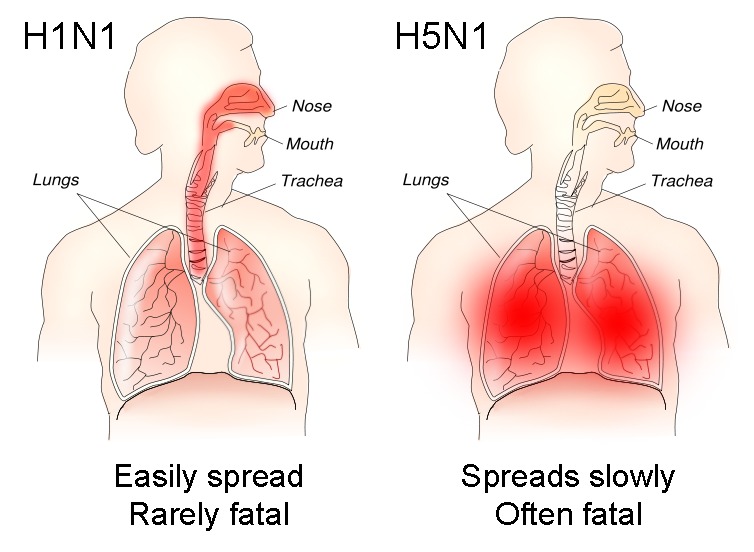
Influenza is produced by viruses that belong to the family Orthomyxoviridae; these are RNA viruses. Among the types that infect people, influenza A and B are responsible for the seasonal outbreaks that occur each year. Influenza A viruses are further subdivided by surface proteins (hemagglutinin and neuraminidase) and can infect multiple species, while influenza B primarily circulates among humans. Influenza C usually causes milder illness and is less often associated with widespread outbreaks.
Symptoms and transmission
Typical features of influenza appear suddenly and can include:
- fever or feeling feverish/chills
- cough and sore throat
- muscle or body aches, headache
- fatigue and weakness
- some people also experience nasal congestion, vomiting, or diarrhea (more common in children)
The virus spreads mainly via respiratory droplets produced when an infected person coughs, sneezes, or talks, and by touching surfaces contaminated with the virus followed by touching the face. Seasonal patterns and community immunity influence how widely the virus spreads.
Prevention and treatment
Vaccination is the principal public health tool for reducing influenza illness and its complications; seasonal vaccines are updated regularly to match circulating strains. Other preventive measures include hand hygiene, respiratory etiquette, and staying home when sick to limit transmission.
When illness occurs, care focuses on relieving symptoms and preventing complications. Antiviral medications may be prescribed for some patients; these are most effective when started early in the course of infection. Supportive measures include rest, fluids, and treatment of fever and pain as appropriate.
Complications and groups at higher risk
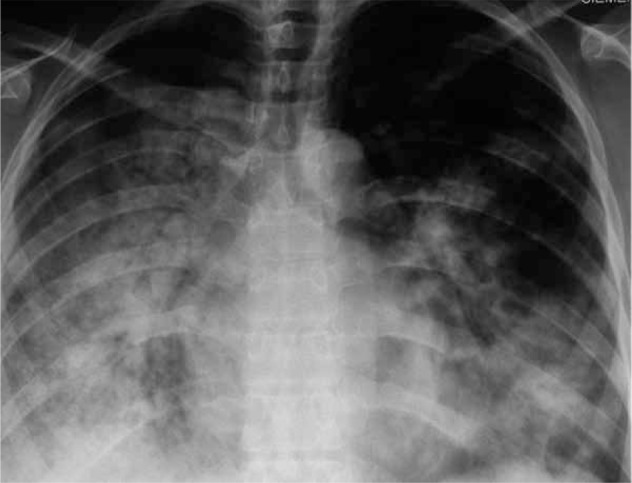
While many people recover without medical intervention, influenza can lead to serious complications such as pneumonia, worsening of chronic medical conditions (for example, asthma or heart disease), and, in severe cases, hospitalization or death. Those at higher risk of complications include older adults, very young children, pregnant people, and individuals with weakened immune systems or certain chronic illnesses.
Public health and history
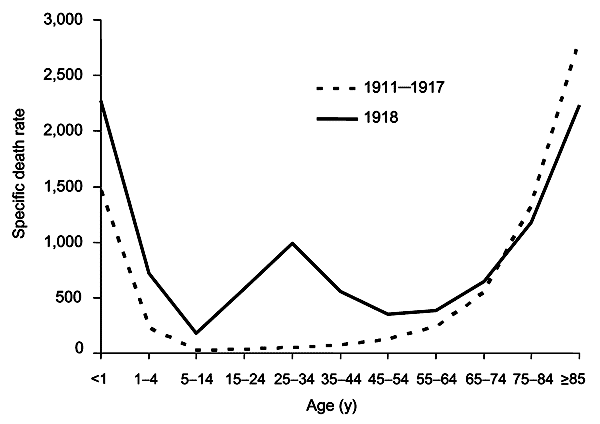
Large influenza epidemics and occasional pandemics have had major health and social impacts. Public health responses combine vaccination campaigns, surveillance to detect new strains, clinical guidance on treatment, and non-pharmaceutical measures to limit spread. Because influenza viruses evolve rapidly, ongoing monitoring and periodic vaccine reformulation are necessary to maintain protection at the population level.
Questions and answers
Q: What is influenza?
A: Influenza is a common childhood illness that is caused by several different viruses and is not limited to humans.
Q: Is influenza more common amongst adults or children?
A: Influenza is more common amongst children, but adults can also catch it.
Q: Can other species catch influenza?
A: Yes, most mammals and many birds can also catch influenza.
Q: Why can people have the flu more than once?
A: People can have the flu more than once because it is caused by several different viruses.
Q: How did the name "influenza" originate?
A: The name "influenza" comes from the Italian word "influenza," which means "influence."
Q: What is another name for influenza?
A: Influenza is sometimes called the grippe.
Q: What kind of virus causes influenza?
A: Influenza is caused by RNA viruses.
Related articles
Author
AlegsaOnline.com Influenza (seasonal flu): causes, symptoms, transmission, and prevention Leandro Alegsa
URL: https://en.alegsaonline.com/art/47298
Sources
- cdc.gov : "CDC Press Briefing Transcripts April 23, 2009"