
Chinese food: traditions, regional styles, ingredients and cultural role
A concise encyclopedic guide to Chinese food: staples, regional cuisines, history, cooking methods, dining customs, common dishes, tools and global influence.
Overview
Chinese food refers to the diverse culinary traditions developed across China and by Chinese communities around the world. It is a central element of social life, ritual and regional identity, spanning everyday home cooking, street foods and elaborate banquet cuisine. For a general introduction to the subject see Chinese cuisine and broader cultural context in China.
Image gallery
10 Images




Core ingredients and equipment
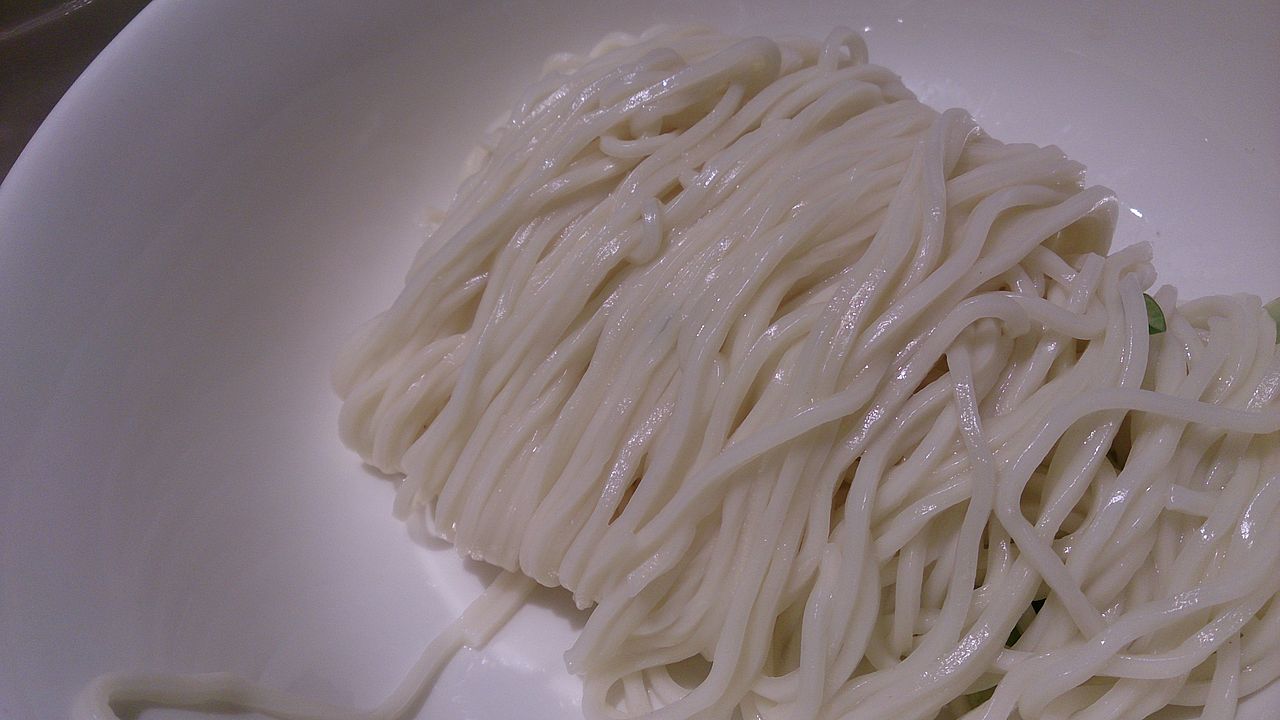
Staples vary by region but commonly include rice, wheat products (noodles and steamed buns), and a wide range of vegetables. Condiments such as soy sauce, fermented bean pastes and vinegar provide depth of flavor. Plant proteins like tofu and preserved soy products are important sources of protein. Tea is both a daily beverage and part of ceremonial life; see resources on tea for its cultural role. Typical cookware and tools include the wok, steamers, cleavers and chopsticks, each suited to characteristic techniques.
Characteristics and cooking techniques
Chinese cookery emphasizes balance among taste elements—salty, sweet, sour, bitter and umami—as well as contrast in texture and color. Common techniques include stir-frying, steaming, braising, stewing, quick deep-frying and smoking. Many recipes combine fresh aromatics such as ginger, garlic and scallion with aged or fermented seasonings. Precision in heat control is especially important for wok-based stir-fry and steaming methods; knife skills and the use of marinades, starch coatings and stock reduction are typical in preparing both everyday and banquet dishes.
Regional traditions
China’s size and climatic diversity produced numerous regional cuisines. The four historically emphasized schools are Sichuan (spicy, uses chili and peppercorn for numbing heat), Guangdong or Cantonese (freshness, dim sum and light sauces), Shandong (northern coastal areas with emphasis on seafood and hearty broths) and Huaiyang or Jiangsu (delicate preparation and refined presentation). Broader classifications recognize eight major cuisines that also include Fujian, Hunan, Zhejiang and Anhui, each shaped by local ingredients, climate and history. Within those broad categories are many local substyles and village cuisines.
Dining customs and social role
Meals are often shared family-style, with multiple dishes placed in the center for participants to sample. Special foods mark festivals and life events: dumplings at the Lunar New Year in northern areas, mooncakes at Mid-Autumn Festival, rice-based offerings in southern rituals. Banquets and wedding meals follow conventions of sequence and abundance, while street food and snacks reflect urban and regional tastes. Tea service, toasting and the order of seating at formal meals carry social meaning in many communities.
Common dishes and examples
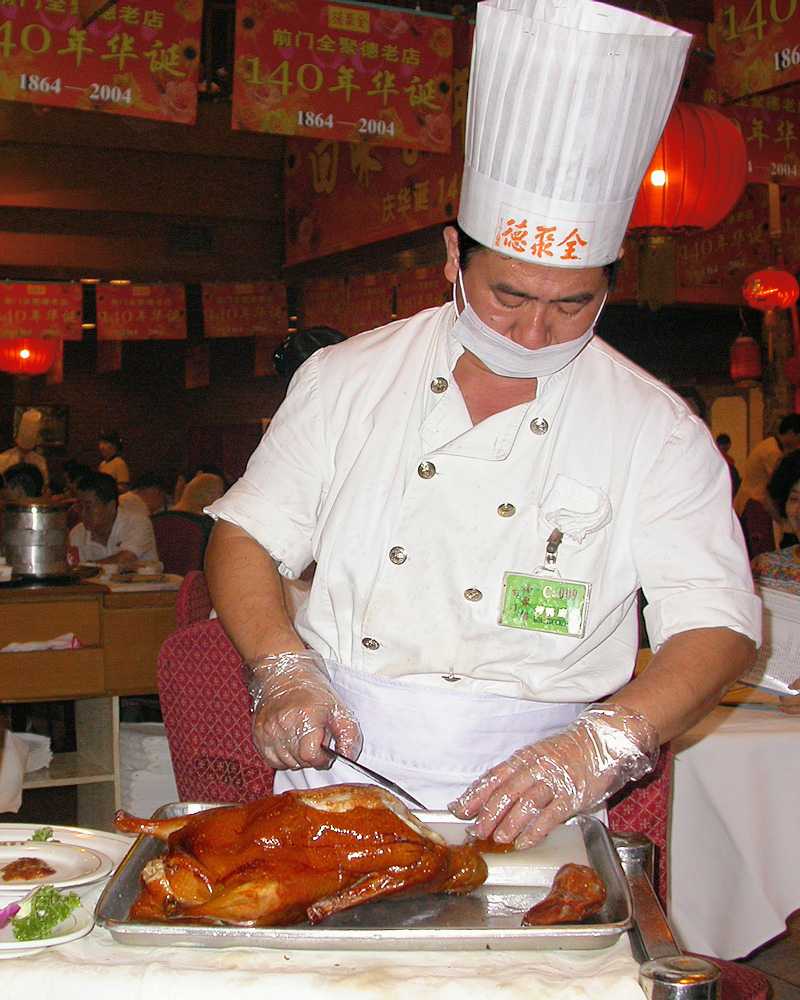
- Peking duck: a roast dish known for crispy skin, served with pancakes and condiments.
- Dim sum: small plates and steamed parcels associated with Cantonese tea houses.
- Mapo tofu: a Sichuan dish combining tofu with spicy, numbing seasonings.
- Noodle dishes, dumplings and congee: widespread comfort foods with many regional variants.
History and global influence
Chinese culinary practice evolved over millennia with agricultural innovation, internal trade and contact with neighboring cultures. Through migration and trade, Chinese cooking techniques and ingredients influenced cuisines across East and Southeast Asia and, with diasporas, spread to the Americas, Europe, Africa and Oceania. Overseas Chinese communities adapted recipes to local ingredients and tastes, producing cuisines—such as Cantonese-inspired dishes in North America or Southeast Asian Chinese specialties—that reflect both continuity and innovation.
Nutrition, preservation and modern trends
Traditional methods of preservation—salting, pickling, drying and fermentation—remain important for flavor and food security. Diet patterns vary by region; southern diets often include more rice and vegetables while northern diets historically relied more on wheat products. Modern trends include renewed interest in regional specialties, farm-to-table revival, reinterpretation of classics in fine dining and growing attention to health, sustainability and food safety in production.
Further study and resources
For practical guides, ingredient references and technique descriptions consult introductory surveys and regional cookbooks. Online and printed resources that focus on technique, history and ingredient profiles can complement hands-on learning: an overview of culinary traditions is available at this resource, staple-focused references include material on rice and tofu, and equipment guides discuss the wok. Broader cultural studies of China and beverage traditions such as tea help situate food within social practice. Common condiments and their uses are reviewed in introductions to soy sauce and related seasonings.
Understanding Chinese food means attending to regional variety, seasonal practice, the social setting of meals and the long history of adaptation and exchange that shapes what is eaten and how it is prepared.
Related articles
Author
AlegsaOnline.com Chinese food: traditions, regional styles, ingredients and cultural role Leandro Alegsa
URL: https://en.alegsaonline.com/art/19760
Sources
- cits.net : "Four Major Cuisines in China"
- sallybernstein.com : "The four cuisine regions of China"