
Chocolate chip cookie
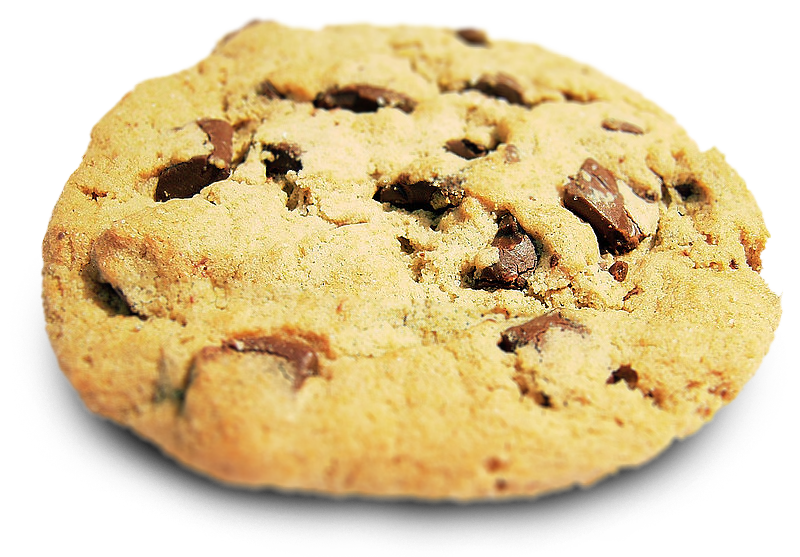
Classic American drop cookie of dough studded with chocolate pieces. Invented in the 1930s at the Toll House Inn, the cookie now exists in many home-baked and commercial forms worldwide.
Overview
The chocolate chip cookie is a small, sweet drop cookie built from a soft dough in which chopped or formed pieces of chocolate are distributed before baking. It originated in the United States and is one of the most widely recognized cookie types around the world. The term "drop cookie" describes the usual method of preparation, in which spoonfuls of dough are dropped onto a baking sheet rather than rolled or pressed; more on that technique is discussed below. See general descriptions of cookie categories at drop cookie and the cookie's national origin at United States.
Image gallery
9 Images


Ingredients and preparation
A classic chocolate chip cookie dough typically combines flour, fat (commonly butter), sugar (a mixture of brown and white is frequent), eggs, a pinch of salt and a small amount of leavening. Vanilla extract is a usual flavoring, and the defining ingredient is chocolate in the form of chips, morsels or chopped bars. A typical home-baking method calls for dropping rounded tablespoons of dough onto an ungreased or lightly greased sheet and baking in a moderate oven for roughly 10–15 minutes until edges set and centers are still soft.
- Core ingredients: flour, butter, sugars, eggs, salt, vanilla, chocolate chips.
- Common additions: chopped nuts, oatmeal, toffee, different chocolate types (milk, semi‑sweet, dark).
- Texture variations: chewy, cakey or crisp depending on ingredient ratios and bake time.
History and origin
The cookie is commonly traced to the mid-1930s at the Toll House Inn in Massachusetts. The innkeeper, while preparing a butter-drop cookie recipe, substituted chopped pieces of a semi‑sweet chocolate bar because a solid baking chocolate was not available. Rather than melting completely, the chopped chocolate softened and retained some shape, producing the recognizable speckled cookie now associated with the Toll House name. That recipe was widely circulated after its publication on chocolate packaging, linking the invention to both the Toll House Inn and the chocolate maker responsible for printing the recipe on their wrappers; contemporary accounts also note that the innkeeper received chocolate as recognition for allowing the recipe to be used. For more on the inn's location and the brand involved, see Toll House Inn and Nestlé.
Variants, commercial forms and examples
Since its popularization, the chocolate chip cookie has evolved into countless home and commercial variants. Bakers alter sugar ratios, use different fats (butter, shortening, oil), add whole grains or substitute alternative flours for dietary needs, and fold in other inclusions. In the food industry the cookie appears in many formats: freshly baked from bakeries, sold as packaged cookies, incorporated into ice cream as chunks, or offered as ready-to-bake refrigerated dough and preformed cookies for ovens. Examples of common variations include double‑chocolate (cocoa plus chips), oatmeal chocolate chip, and nut-studded versions.
Cultural role and serving
Chocolate chip cookies are commonly associated with home baking and casual snacks; they are often served with cold milk, coffee or tea. They appear in informal celebrations and are frequently used in constructed desserts such as cookie sandwiches, pie crusts made from crushed cookies, and as mix-ins for frozen desserts. Because of their ubiquity, they are also an element of advertising, retail promotion and school bake sales in many countries.
Distinctions, tips and nutritional notes
As a drop cookie, the chocolate chip cookie differs from rolled cookies (cut from sheeted dough), bar cookies (baked in a pan and cut), and refrigerator cookies (sliced from a chilled log). Practical baking tips include chilling dough for firmer shape, underbaking slightly for a chewier center, or using a higher ratio of brown sugar to keep moisture. Nutritionally, chocolate chip cookies are calorie-dense and provide carbohydrates, fat and sugars; variations can reduce sugar or fat or use alternative ingredients to accommodate dietary restrictions.
Questions and answers
Q: What is a chocolate chip cookie?
A: A chocolate chip cookie is a drop cookie originating in the United States, made by dropping small portions of dough onto a baking sheet and baking them until done.
Q: What are the main ingredients in the original recipe for chocolate chip cookies?
A: The main ingredients in the original recipe for chocolate chip cookies are flour, butter, eggs, salt, vanilla extract, both brown and white sugar, and chocolate chips.
Q: What are some variants of chocolate chip cookies?
A: Variants of chocolate chip cookies can include nuts, oatmeal, and other ingredients.
Q: Can chocolate chip cookies be made at home?
A: Yes, chocolate chip cookies can be made at home.
Q: Who invented the chocolate chip cookie?
A: Ruth Graves Wakefield invented the chocolate chip cookie.
Q: How did Ruth Graves Wakefield invent the chocolate chip cookie?
A: Ruth Graves Wakefield invented the chocolate chip cookie by cutting a Nestlé's semi-sweet chocolate bar into bits and added the bits to a butter drop cookie recipe, which resulted in a new type of cookie: the Toll House Cookie.
Q: What did Nestlé give to Ruth Graves Wakefield in exchange for the chocolate chip cookie recipe?
A: Nestlé gave Ruth Graves Wakefield a lifetime supply of Nestlé semi-sweet chocolate for her permission to print the recipe on their chocolate packages.
Related articles
Author
AlegsaOnline.com Chocolate chip cookie Leandro Alegsa
URL: https://en.alegsaonline.com/art/19916
Sources
- inventors.about.com : History of Chocolate Chip Cookies & Ruth Wakefield
- abcnews.go.com : Chocolate Chip Cookies: A Brief History
- iml.jou.ufl.edu : All About Chocolate Chip Cookies