
Chicago Seven: 1968 DNC protests, trial, and legacy
Group of activists originally tried as the Chicago Eight for protests at the 1968 Democratic National Convention; their courtroom drama, convictions and later reversals shaped protest law and public memory.
Overview
The term "Chicago Seven" refers to seven activists who were prosecuted in federal court for their roles in demonstrations in Chicago during the 1968 Democratic National Convention. Initially indicted as the "Chicago Eight," the defendants faced charges including conspiracy and incitement in connection with large anti–Vietnam War and countercultural protests. The events in Chicago became a focal point for national debate about civil disobedience, police response, and the limits of political dissent during a turbulent era.
Image gallery
3 Images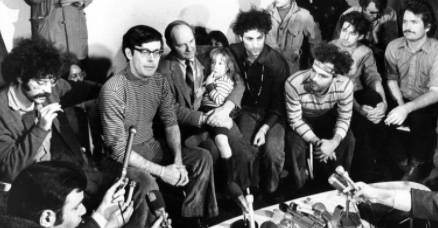


Defendants and organizing groups
The group drew members from several prominent protest organizations, including the Youth International Party ("Yippies") and Students for a Democratic Society (SDS). The core individuals most commonly associated with the case were:
- Abbie Hoffman — activist and Yippie leader (Abbie Hoffman).
- Jerry Rubin — Yippie activist and organizer.
- David Dellinger — long-time pacifist and antiwar organizer.
- Tom Hayden — SDS leader and political organizer (Tom Hayden).
- Rennie Davis — activist and organizer.
- John Froines — chemist and activist.
- Lee Weiner — activist and organizer.
An eighth defendant, Bobby Seale, co‑founder of the Black Panther Party, was originally tried with the others but had his case severed early in the proceedings after contentious incidents in the courtroom. Once Seale was removed from the joint trial, the remaining group became known as the Chicago Seven.
Trial and legal outcome
The trial, presided over by Judge Julius Hoffman, drew intense national media attention because of its confrontational courtroom dynamics, theatrical behavior by some defendants, and clashes between defendants and the judge. Prosecutors alleged that the defendants had conspired to cross state lines to incite a riot during the convention and subsequent demonstrations, which were marked by violent encounters between protesters and police forces deployed throughout Chicago.
After a lengthy trial, the jury reached mixed verdicts: the defendants were acquitted of the conspiracy charge but several were convicted on counts related to creating a riot or crossing state lines to incite a riot. Judge Hoffman also issued numerous contempt rulings against defendants and their attorneys for disruptions and disrespect toward the court. On appeal, many of the convictions and contempt sentences were reversed or remanded because of concerns about judicial conduct, improper admissions of evidence, and prejudicial treatment that undermined the fairness of the proceedings.
Legacy and significance
The Chicago Seven trial is often cited as a landmark in the history of protest law and public perception of political dissent. It illustrated tensions between an emerging counterculture and established institutions, raised questions about free speech and assembly during politically charged events, and highlighted the role of the courtroom as a stage for political theater. Media coverage of the clashes outside the convention halls and the tumult inside the courtroom influenced public opinion about the Vietnam War era and law enforcement tactics.
In cultural terms, the case has inspired books, documentaries, plays, and dramatizations that reflect on 1960s activism and legal process. The episode remains a reference point in discussions about civil liberties, prosecutorial discretion, and the responsibilities of judges in high‑profile political trials (see Democratic National Convention, 1968 and related coverage of protests against the Vietnam War).
Notable facts and distinctions
- The label changed from the "Chicago Eight" to the "Chicago Seven" after Bobby Seale's case was severed.
- The proceedings combined legal argument, theatrical protest, and contentious judicial management, making the trial itself a subject of political symbolism.
- Appeals courts scrutinized the trial for procedural fairness; many of the convictions and contempt sentences were later overturned or vacated, underscoring the role of appellate review in politically charged cases.
- The episode remains part of broader studies of 1960s protest movements and is often cited alongside analyses of police crowd control and the limits of protest during democratic elections (Chicago, Illinois).
For further reading and primary documents, consult archives and historical summaries that contextualize the defendants, the organizations that mobilized protests, and the legal aftermath of the trial. Contemporary adaptations and retrospectives continue to reassess the case for lessons about civil liberties, law, and public protest.
Tags
Related articles
Author
AlegsaOnline.com Chicago Seven: 1968 DNC protests, trial, and legacy Leandro Alegsa
URL: https://en.alegsaonline.com/art/19528