
Charles Cornwallis, 1st Marquess Cornwallis (1738–1805)
British Army officer and colonial administrator who commanded forces in the American Revolution, later reformed East India Company rule in India and served as Lord Lieutenant of Ireland.
Overview
Charles Cornwallis was a British nobleman, soldier and administrator whose career spanned the late 18th and early 19th centuries. He is best remembered for commanding British forces in North America and later for his senior roles as a general and colonial governor. Born on 31 December 1738 into an aristocratic family, he combined military service with high civil office and served in several imperial theatres as Britain sought to manage a global empire.
Image gallery
10 Images



Early life and family
Cornwallis was the son of Elizabeth and Charles Cornwallis, 1st Earl Cornwallis. He entered public life as a member of the British aristocracy and pursued a military career that brought him to prominence during the wars of the later eighteenth century. His upbringing and connections shaped both his commission in the army and later appointments to senior colonial posts.
Military career in America
Cornwallis sailed to North America in 1776 during the American Revolutionary War and took part in several important operations. He was present at the Battle of Princeton and served throughout the northern and southern campaigns. As a senior British commander he led troops in the southern theatre, campaigning through North Carolina and South Carolina, and fought irregular and Continental forces under leaders such as Nathanael Greene. Cornwallis’s strategy in the south ultimately brought him into Virginia, where in October 1781 his army surrendered to George Washington and allied French forces at Yorktown, a decisive moment in the conflict between Britain and the Americans.
- Key engagements: Princeton and the southern campaigns.
- Result: Surrender at Yorktown effectively ended major conventional fighting in the thirteen colonies and shaped subsequent peace negotiations.
Administration in India
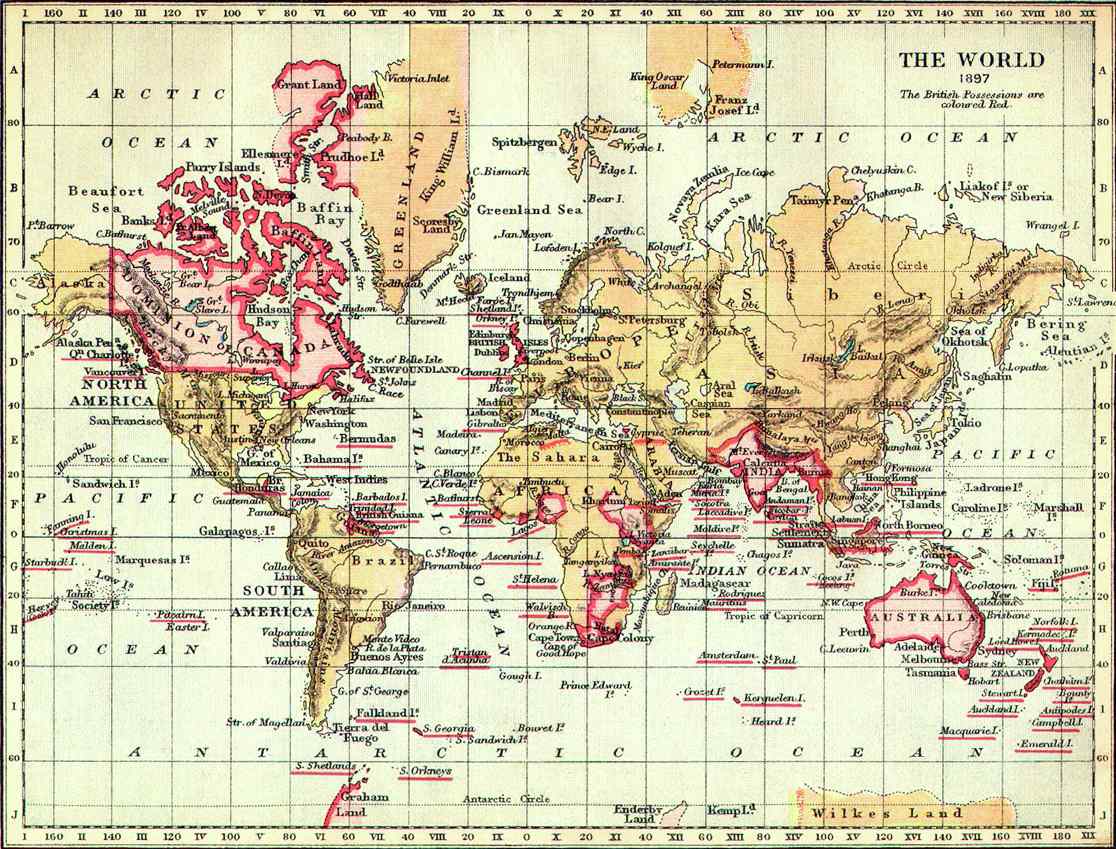
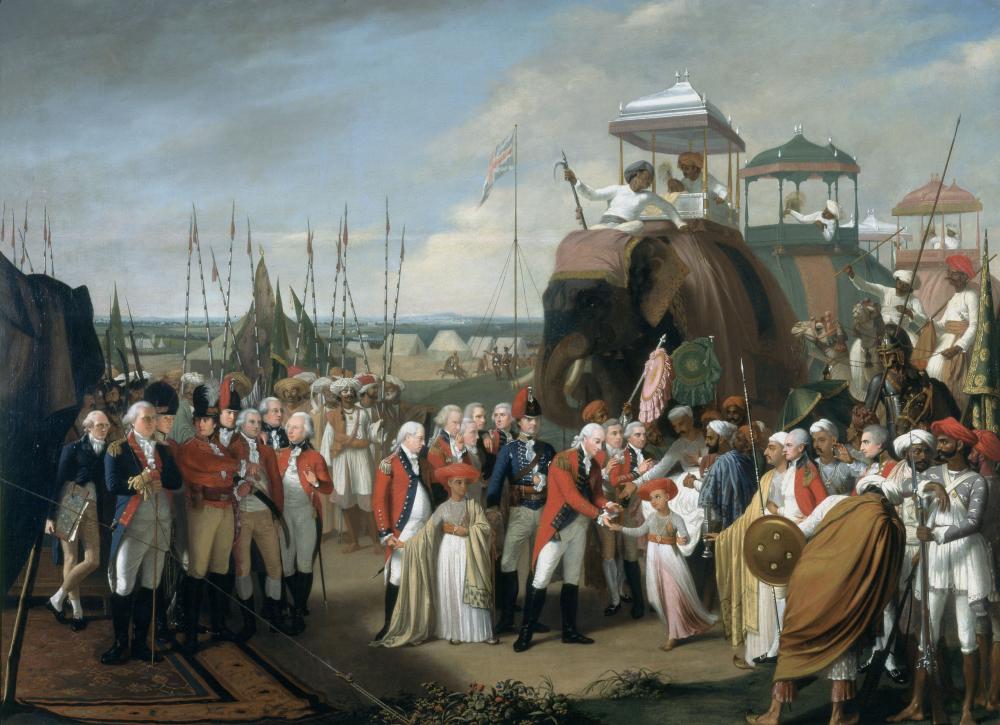
After returning to Britain, Cornwallis moved into imperial administration. In 1786 he was appointed Governor-General and Commander-in-Chief in India, serving as the East India Company’s senior official in Bengal and neighbouring territories. During his tenure he introduced a series of administrative, judicial and fiscal reforms—often grouped under the term “Cornwallis Code”—that aimed to regularize Company rule, define land revenue arrangements and professionalize the civil and military services. One notable measure associated with his administration was a permanent settlement of land revenues in parts of Bengal, an arrangement with long-term consequences for landholding and colonial governance.
Ireland and later career
Cornwallis also served as Lord Lieutenant and Commander-in-Chief of Ireland between 1798 and 1801, arriving amid the Irish Rebellion of 1798. In Ireland he played a role in restoring government control and in the political processes that led to the Acts of Union. He later returned to service overseas and continued to be entrusted with senior responsibilities by the British government.
Death and legacy
Cornwallis died on 5 October 1805 while on service abroad, reportedly of a fever. His legacy is mixed: militarily he is often associated with the British defeat at Yorktown, yet he was also regarded as an able campaigner and administrator. His reforms in India influenced the institutional development of East India Company rule and British colonial administration more broadly. Historians assess Cornwallis both as a military commander of his era and as an agent of bureaucratic reform within an expanding imperial system.
Further notes and sources
For detailed study consult contemporary dispatches, regimental records and specialist biographies. Relevant archival materials include military correspondence relating to the American campaigns and administrative records from his time as Governor-General in the colonial administration. Online and print resources can supplement primary sources; for introductory overviews see works on the American Revolution, on the history of the British forces in the period, and on the institutional history of the East India Company. Researchers may also consult writings about leadership during the Irish crisis and the political context of the Acts of Union.
This article uses standard reference points for Cornwallis's life and career while avoiding detailed contested interpretations. For further exploration consult specialist monographs, archival editions of dispatches and regional studies of late 18th-century Britain and its empire.
Military career overview • Administrative reforms • Transatlantic service • Campaign studies • Contemporaries • Revolutionary context • Regional operations • Southern theatre • Opposing commanders • Key dates • Yorktown • Colonial records • India administration • Circumstances of death
Related articles
Author
AlegsaOnline.com Charles Cornwallis, 1st Marquess Cornwallis (1738–1805) Leandro Alegsa
URL: https://en.alegsaonline.com/art/18705