
Charles II, Duke of Guelders (Charles of Egmond)
Charles of Egmond (1467–1538), known as Charles II of Guelders, was a Dutch noble who led his duchy through prolonged conflict with Burgundian and Habsburg power and allied with France to preserve regional independence.
Charles of Egmond (born 9 November 1467; died 30 June 1538), often called Charles II or Karel van Egmond, was a leading noble of the Low Countries who served as Duke of Guelders during the late 15th and early 16th centuries. His life and rule are associated with the struggle of a regional principality to resist Burgundian and later Habsburg encroachment, and with the shifting alliances of Renaissance Europe.
Image gallery
1 Image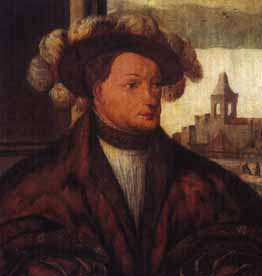
Background and rise
Charles belonged to the House of Egmond, a family that held influence in the duchy of Guelders (in present-day eastern Netherlands). He inherited a claim to the ducal title at a time when the Burgundian dukes, and subsequently the Habsburgs, sought to consolidate the territories of the Low Countries into a larger state. Charles capitalized on local opposition to outside rule and on foreign support to reassert the duchy’s autonomy.
Rule, conflict and diplomacy
During his decades of leadership Charles pursued a combination of military action and diplomatic alliances to preserve Guelders’ independence. He frequently allied with France against Habsburg interests, reflecting the broader European contest between the Valois and Habsburg dynasties. His era was marked by recurring armed clashes, sieges, and negotiated truces as control of the border duchy changed hands or was contested.
Government, military and culture
Charles is remembered for energetic personal leadership: he directed military campaigns, worked to strengthen fortifications, and relied on local elites and mercenary forces. He also acted as a patron of his court and maintained the ceremonial aspects of ducal rule. While Guelders lacked the size of major powers, under Charles its institutions and law retained a distinctive regional character.
Legacy and succession
Charles died in 1538. He left no lasting independent dynasty strong enough to withstand continued Habsburg expansion in the Low Countries. Within a generation the duchy was drawn more firmly into Habsburg authority under Emperor Charles V, but Charles of Egmond remained a figure in regional memory as a defender of local autonomy against larger imperial ambitions.
Notable facts
- Born 9 November 1467; died 30 June 1538.
- Also known as Charles of Egmond and Karel van Gelre.
- Led Guelders in prolonged resistance to Burgundian and Habsburg control and allied with France.
- Often cited in histories of the Low Countries as a symbol of regional independence during the Renaissance.
For further reading about Charles and the complex politics of his time see sources such as contemporary regional histories and modern studies of the Burgundian and Habsburg Netherlands; a starting reference is available here.
Related articles
Author
AlegsaOnline.com Charles II, Duke of Guelders (Charles of Egmond) Leandro Alegsa
URL: https://en.alegsaonline.com/art/18713