
Chaetodipus — a genus of New World pocket mice
Chaetodipus is a genus of small, seed-eating rodents in arid regions of North America, notable for their fur-lined cheek pouches, bristly pelage, and close relationship to other heteromyids and pocket gophers.
Overview
Chaetodipus is a genus of small rodents commonly called pocket mice. They belong to the family Heteromyidae, a group of New World rodents that includes kangaroo rats and other pocket mice. Members of Chaetodipus are adapted to dry, open landscapes and are best known for their external, fur-lined cheek pouches used to carry seeds.
Image gallery
7 Images




Key characteristics
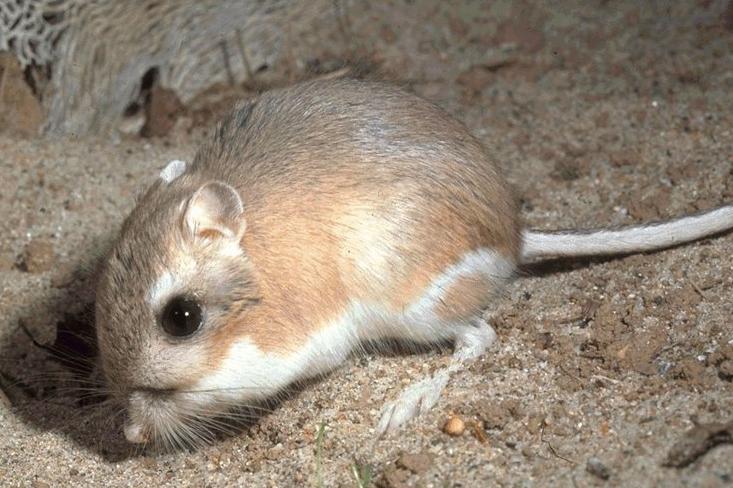
Species in this genus typically have coarse or spiny guard hairs intermingled with softer fur, giving some species a bristly appearance. They are generally larger and have rougher pelage than the silky pocket mice in the related genus Perognathus. Like other heteromyids, they have long hind limbs and a long tail, which may be tufted. Their cheek pouches open outside the mouth and are used for transporting and caching food.
Habitat and distribution
Chaetodipus species are native to the southwestern United States and Mexico, where they occupy deserts, scrublands, grasslands and rocky areas. They favor habitats with sparse vegetation that provide seeds and cover. Many are nocturnal or crepuscular, reducing water loss and exposure to daytime heat.
Behavior and diet
These rodents are primarily granivores, feeding on seeds, but they will also eat green vegetation and insects when available. They often cache food in burrows or shallow soil pits. Locomotion ranges from quick quadrupedal movement to short hops; some show adaptations for saltatory motion similar to other heteromyids.
Taxonomy and relations
Chaetodipus is part of a lineage closely related to pocket gophers (Geomyidae) within the geomyoid rodents; despite their common name, they are not true mice and are more distantly related to the familiar mice and rats of the family Muridae. Several species are recognized within Chaetodipus, including well-known types such as the hispid, desert, and Bailey's pocket mice.
Conservation and significance
Most Chaetodipus species play important roles in arid ecosystems as seed predators and dispersers. While many populations are stable, habitat alteration, invasive species and localized threats can affect some species. Their biology and adaptations make them subjects of interest in studies of desert ecology and mammalian evolution.
Notable species
- Hispid pocket mouse (Chaetodipus hispidus)
- Desert pocket mouse (Chaetodipus penicillatus)
- Bailey's pocket mouse (Chaetodipus baileyi)
Related articles
Author
AlegsaOnline.com Chaetodipus — a genus of New World pocket mice Leandro Alegsa
URL: https://en.alegsaonline.com/art/18310