
Channel catfish (Ictalurus punctatus): overview, identification, and uses
Channel catfish (Ictalurus punctatus) is a North American freshwater catfish valued by anglers and aquaculture. Covers identification, habitat, life history, uses, and how it differs from similar catfish.
The channel catfish (Ictalurus punctatus) is a widespread North American freshwater fish known for its whisker-like barbels, forked tail and adaptable habits. It occurs throughout rivers, lakes, reservoirs and farm ponds across much of the United States and parts of Canada and Mexico. The species is culturally and recreationally significant: it is the official state fish of several U.S. states, including Kansas, Missouri, Iowa, Nebraska and Tennessee.
Image gallery
8 Images


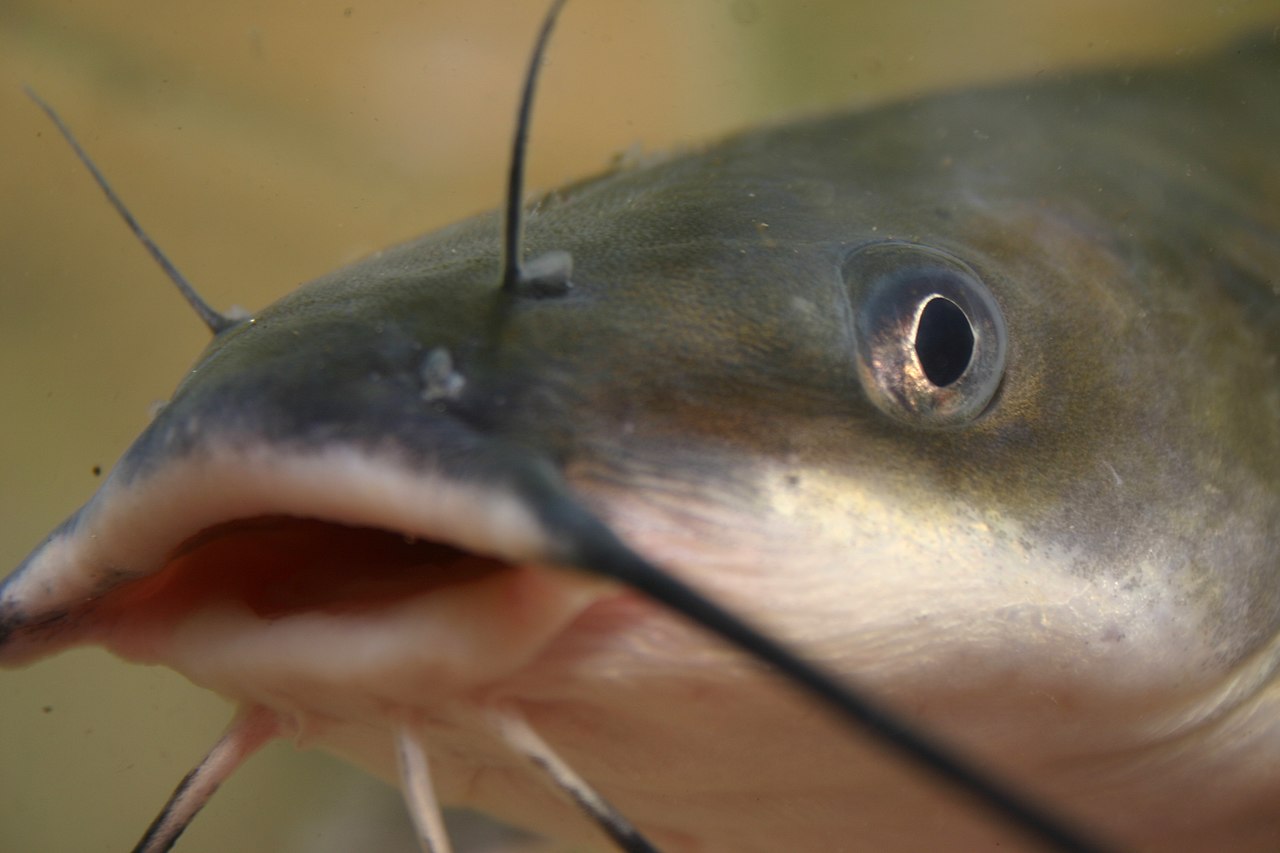

Identification and physical traits
Channel catfish are recognisable by a combination of traits rather than a single mark. Typical characteristics include:
- Barbels: prominent sensory "whiskers" around the mouth used to detect food in murky water.
- Body and fins: a slender, laterally compressed body with a deeply forked tail and a small adipose fin behind the dorsal fin.
- Skin: smooth and scaleless, often with scattered spots when young that fade with age; adults tend toward grayish to olive tones.
- Teeth and mouth: small teeth and a wide mouth suited to an omnivorous, opportunistic diet.
Habitat, diet and behaviour
Channel catfish inhabit a wide range of freshwater environments and tolerate varying oxygen levels and temperatures better than many species. They are primarily nocturnal feeders, taking a wide variety of items such as insects, crustaceans, small fish, mollusks and plant material. During warmer months they spawn in cavities or hollows; males commonly guard nests until fry disperse. Their adaptability has made them successful both in the wild and in managed waters.
Economic and recreational importance
Channel catfish are among the most important farmed and pond-stocking species in North America. They are highly sought by anglers for sport and food; in the United States the channel catfish is the most common and widely targeted catfish, and is often described as the most fished catfish species in recreational fisheries. Common baits include natural offerings such as worms and cut fish as well as prepared "stink" baits. Their mild-flavored flesh and ease of cultivation make them a staple of regional cuisine and aquaculture operations.
Similar species and management
Channels are often confused with blue catfish and flathead catfish. Compared with blue catfish they are usually smaller with a more deeply forked tail and visible spots when young; flatheads have a flatter head and a different mouth shape. Fisheries managers employ stocking, harvest regulations and habitat improvements to sustain healthy populations where they are prized for angling and food. Because of their hardiness and popularity, channel catfish remain one of the most familiar freshwater fishes in North America.
For further reading on identification, management and regional regulations, consult authoritative fishery resources and local wildlife agencies.
Related articles
Author
AlegsaOnline.com Channel catfish (Ictalurus punctatus): overview, identification, and uses Leandro Alegsa
URL: https://en.alegsaonline.com/art/18567
Sources
- iucnredlist.org : "Ictalurus punctatus"
- tools.wikimedia.de : Click here to jump the queue
- arxiv.org : 1102.4623
- arxiv.org : q-bio.OT