
Charcot–Marie–Tooth disease: overview, genetics, symptoms, and care
Charcot–Marie–Tooth disease (CMT) is a group of inherited peripheral neuropathies causing progressive distal muscle weakness and sensory loss. This article summarizes features, genetics, diagnosis, and management.
Overview
Charcot–Marie–Tooth disease (CMT) refers to a collection of inherited disorders that affect the peripheral nerves responsible for movement and sensation. CMT is genetically and clinically diverse: different genes and inheritance patterns produce a similar outcome — gradual loss of muscle bulk and altered sensory perception, especially in the hands and feet. The condition is chronic and usually progressive, with onset ranging from childhood to adulthood.
Image gallery
5 Images

Typical signs and symptoms
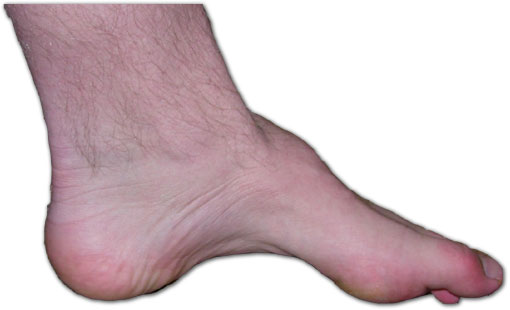
Symptoms commonly begin in the distal limbs and may include foot drop, high foot arches (pes cavus), hammer toes, weakness of ankle and toe muscles, reduced reflexes, and decreased vibration or position sense. Many people report difficulty with balance, frequent tripping, and problems with fine finger movements as the disease advances. Severity and rate of progression vary widely between affected individuals.
Genetics and classification
CMT is caused by mutations in many different genes that affect nerve structure or function. Major clinical categories include demyelinating forms, which primarily affect the insulating myelin sheath, and axonal forms, which primarily damage the nerve fibres themselves. Inheritance may be autosomal dominant, autosomal recessive, or X-linked. Some well-known genetic causes involve alterations in genes that regulate myelin or peripheral nerve maintenance.
Diagnosis and management
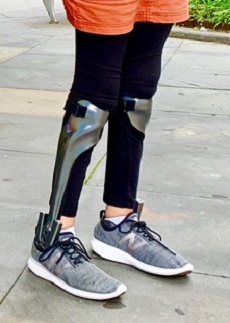
Diagnosis relies on a combination of clinical examination, electrophysiological testing (nerve conduction studies), and increasingly, targeted genetic testing. There is currently no cure for most forms of CMT; treatment focuses on symptom management and preserving function. Common approaches include physiotherapy, occupational therapy, ankle–foot orthoses, braces or shoe modifications, pain management, and orthopedic surgery for selected deformities. Genetic counselling is recommended for affected families.
History and research
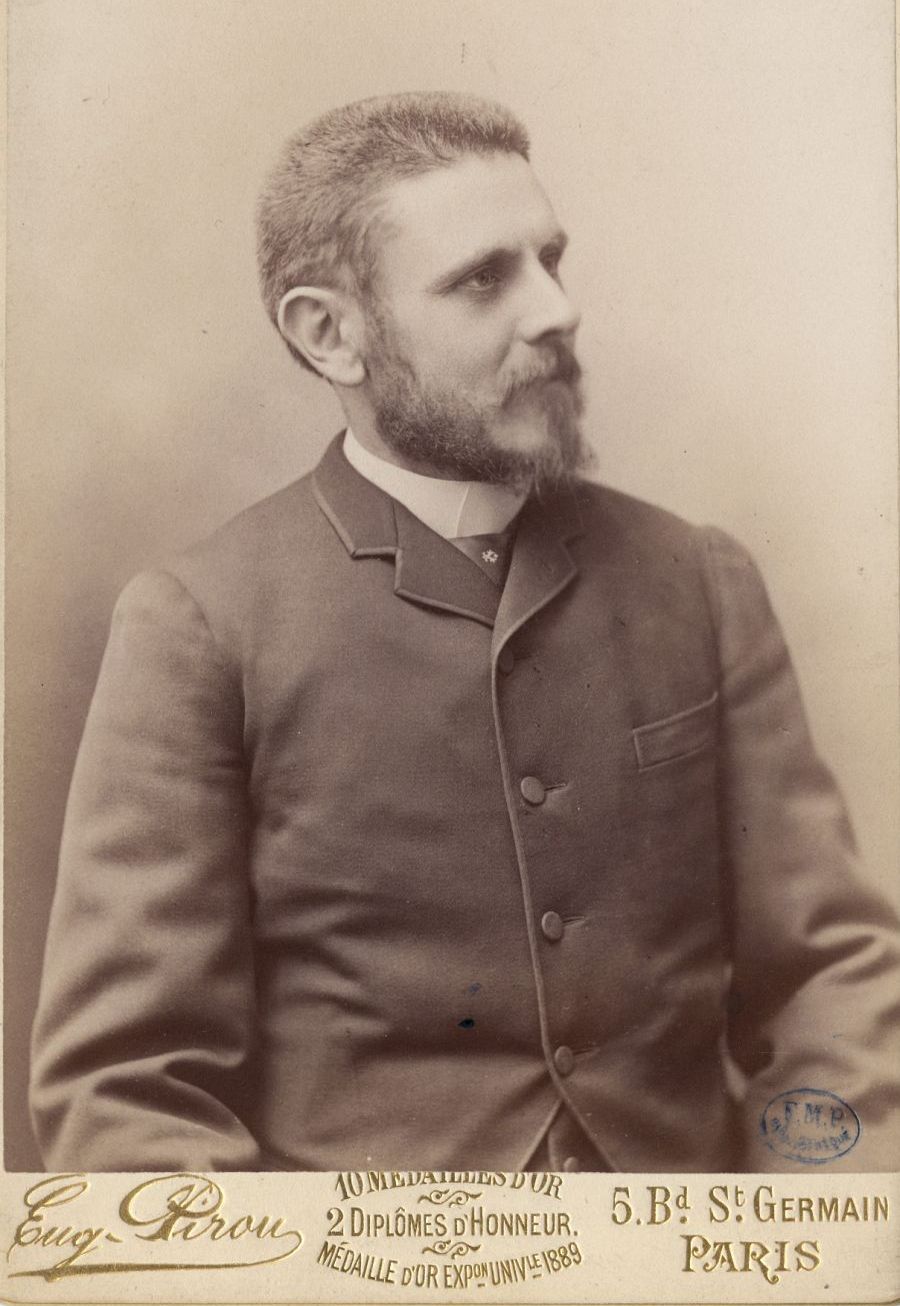
The disorder was characterized in the late 19th century by neurologists whose names give the condition its eponym. Since then, advances in genetics and neurobiology have clarified many causative genes and pathogenic mechanisms. Current research aims at better natural-history data, targeted molecular therapies, and potential gene-based treatments. For clinical guidance and updates on research, see further reading.
Notable considerations
- CMT shows marked variability: two relatives with the same mutation may have very different symptoms.
- Early supportive care and adaptive devices can substantially improve mobility and quality of life.
- Because many genes can be responsible, genetic testing strategies are tailored to the clinical picture and family history.
Related articles
Author
AlegsaOnline.com Charcot–Marie–Tooth disease: overview, genetics, symptoms, and care Leandro Alegsa
URL: https://en.alegsaonline.com/art/18636