
Chickenpox: causes, symptoms, complications, prevention and treatment
Comprehensive guide to chickenpox: causes, transmission, symptoms, possible complications, prevention through vaccination, and treatment options for children and adults.
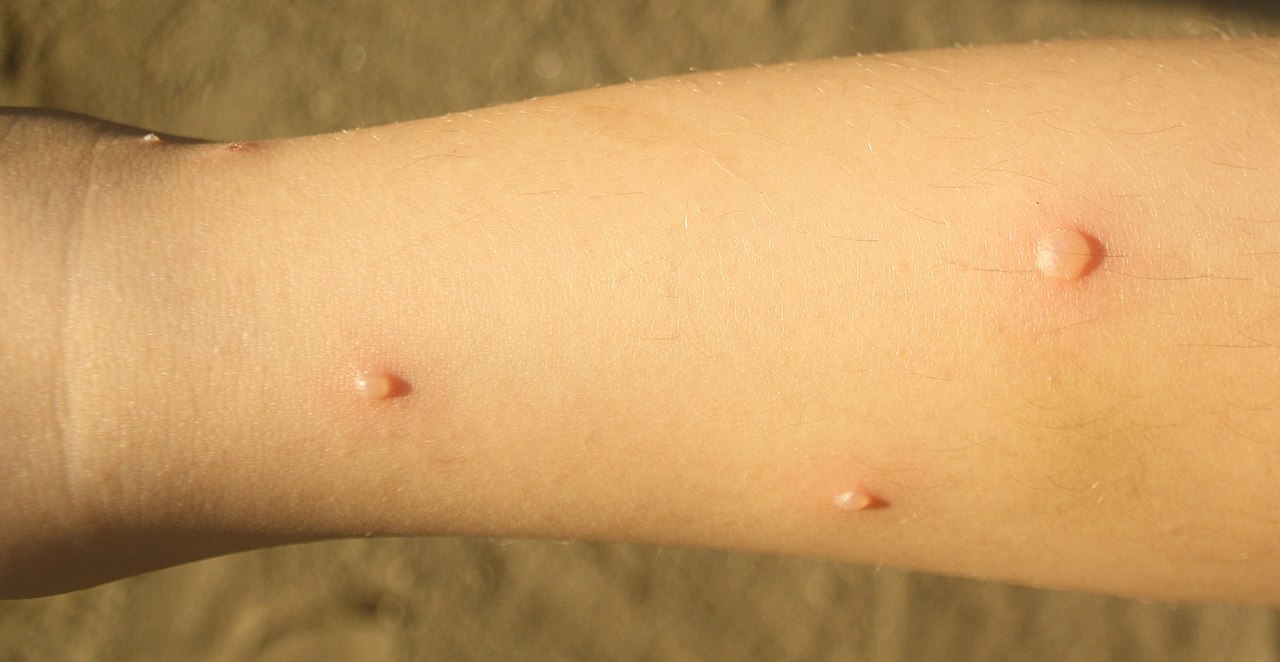
Chickenpox is an infectious disease caused by a virus. It is most often seen in children but can affect people of any age. The illness is characterized by an itchy rash made up of fluid-filled blisters that appear across the body and face and develop in groups over several days.
Image gallery
10 Images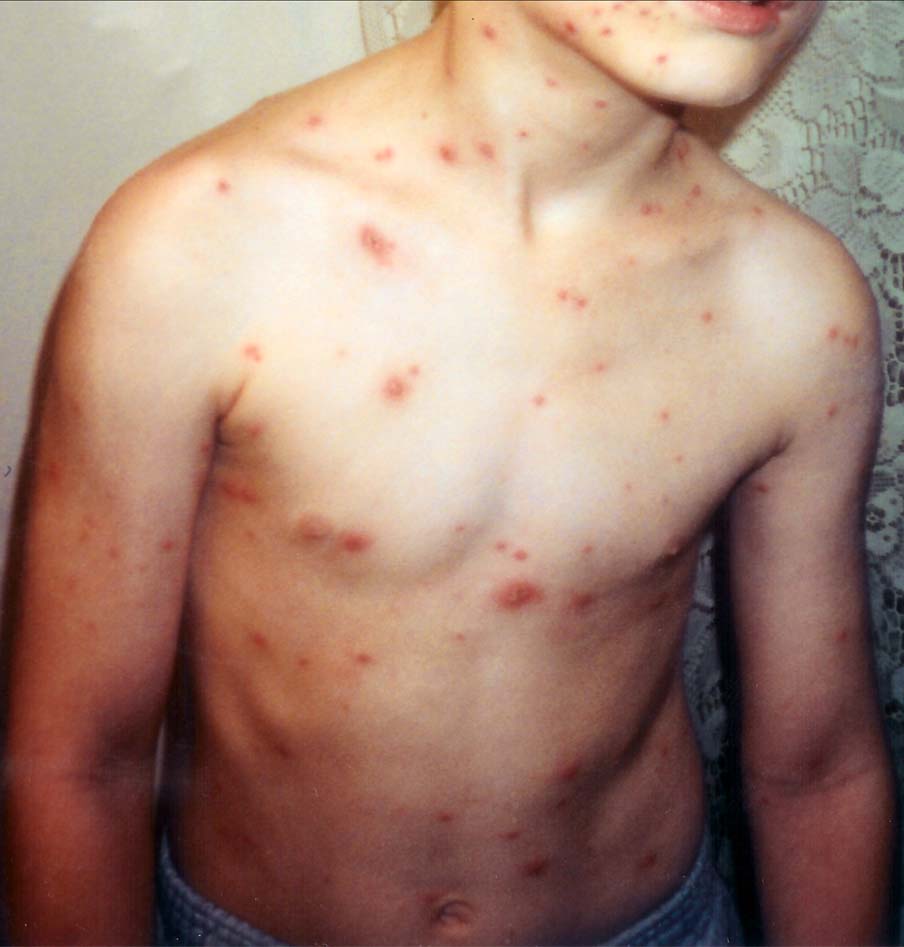




Cause and transmission
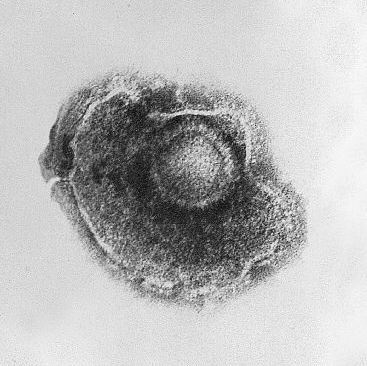
The illness is caused by the varicella-zoster virus, a member of the herpesvirus family. The virus spreads easily from person to person, mainly by tiny respiratory droplets and by direct contact with the fluid in the skin lesions. After exposure there is an incubation period of around two weeks (commonly 10–21 days) before symptoms appear.
Symptoms and typical course
Early signs can include general malaise and a low temperature; most people then develop the characteristic rash. Typical symptoms include an itchy, blister-like rash that appears in several waves, so spots at different stages can be seen at the same time. Fever is common during the early phase of the illness (fever). New blisters continue to form for a few days; they eventually burst, dry and form scabs. The illness is usually self-limiting in otherwise healthy children and resolves over about three to five days after the rash first appears.
Complications
Most cases are mild, but complications can occur, especially in adults, pregnant people, newborns, and individuals with weakened immune systems. Secondary bacterial infection of the skin lesions can happen when they are scratched or not kept clean; such bacterial infections are an example of an infected complication. Other potential complications include pneumonia, inflammation of the brain (encephalitis), and, rarely, severe widespread infection.
Long-term effects
After recovery, the virus remains dormant in nerve cells and can reactivate later in life as shingles, a painful localized rash affecting a single area of skin. The risk of reactivation increases with age and with conditions that compromise the immune system.
Prevention
Vaccination can greatly reduce the chance of getting chickenpox and of developing severe disease. A licensed vaccine is used in many national immunization schedules; programs often give more than one dose for long-term protection. Vaccination is commonly recommended for children who have not yet gone through puberty, and for susceptible adolescents and adults who have not had the infection.
Treatment and symptom relief
Treatment for uncomplicated chickenpox is mainly supportive: keeping the skin clean, relieving itching with appropriate lotions or antihistamines, and managing fever and pain with suitable medications. Antiviral drugs are sometimes used in people at higher risk of severe disease or when started early in the course of illness. Avoiding aspirin in children with viral infections is advised because of an association with Reye-like illness.
Chickenpox in pregnancy
Contracting chickenpox during pregnancy can pose risks to both the pregnant person and the fetus, depending on the timing of infection. Infections in early pregnancy may rarely affect the developing fetus, while infection close to delivery can cause severe disease in the newborn. Pregnant people without evidence of prior immunity should seek prompt medical advice if exposed.
Tags
Related articles
Author
AlegsaOnline.com Chickenpox: causes, symptoms, complications, prevention and treatment Leandro Alegsa
URL: https://en.alegsaonline.com/art/19575