
Central Pacific Hurricane Center
U.S. forecasting center responsible for monitoring and warning for tropical cyclones in the central North Pacific (140°W to the International Date Line), based in Honolulu and operated by the National Weather Service.
Overview
The Central Pacific Hurricane Center (CPHC) is the U.S. center that issues forecasts and public warnings for tropical cyclones in the central North Pacific basin. It operates under the umbrella of the National Weather Service and closely coordinates with other federal meteorological organizations, including NOAA. The CPHC’s area of responsibility covers the portion of the Pacific Ocean north of the equator between 140° west longitude and the International Date Line. The official hurricane season for this region runs from June 1 through November 30, although storms can occur outside these dates.
Image gallery
3 Images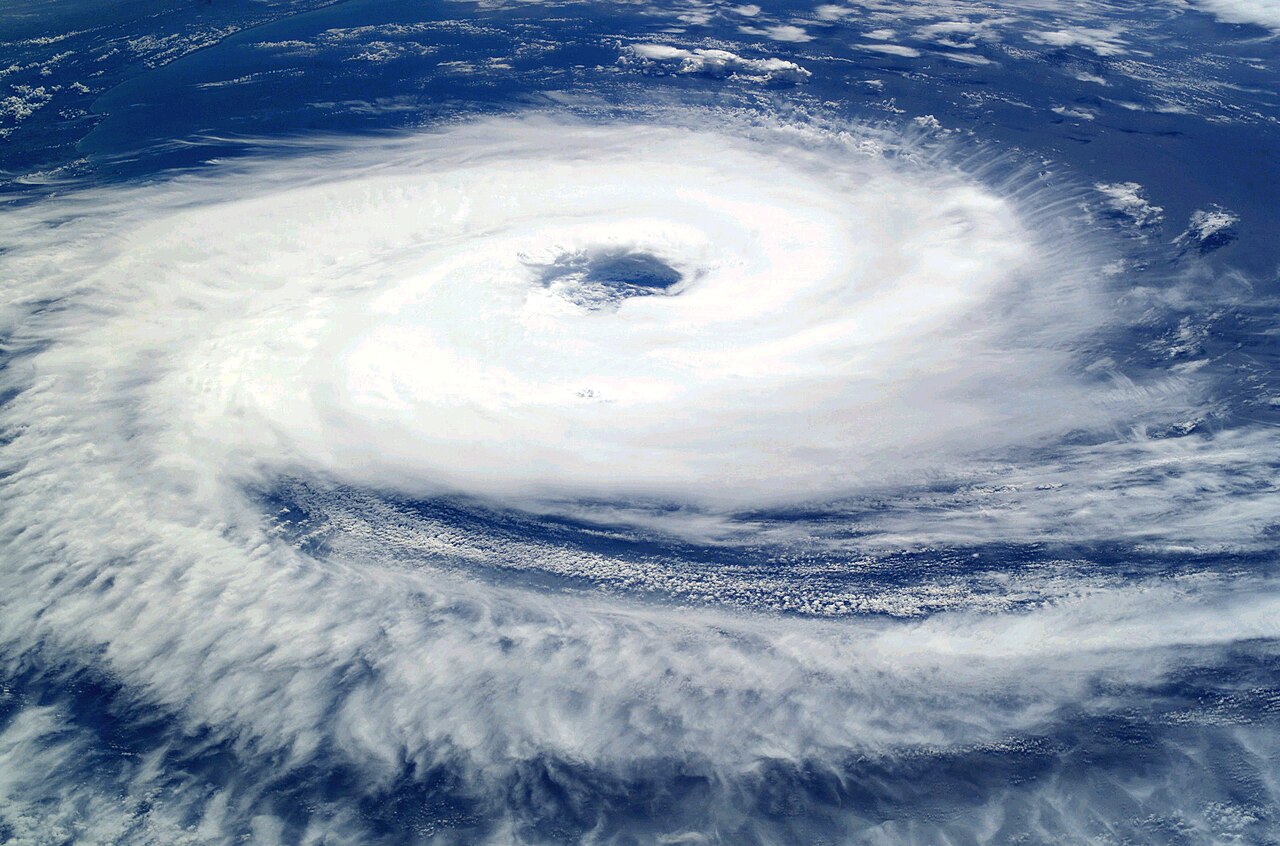


Responsibilities and products
The center produces a range of routine and event-driven products designed for both the public and emergency managers. Primary outputs include:
- Public advisories with positions, intensities and forecast tracks;
- Watches and warnings for expected hazardous conditions;
- Forecast discussions that explain reasoning, model guidance, and uncertainty;
- Graphical products such as cone-of-uncertainty maps and wind field depictions.
These products focus on tropical cyclone threats — broadly described as tropical cyclones — and are tailored for areas such as the Hawaiian Islands and shipping lanes across the central Pacific.
Operational work relies on satellite imagery, numerical weather prediction models, surface observations from ships and buoys, and radar when available. The CPHC coordinates warnings with neighboring centers so that responsibility transfers seamlessly at the 140°W meridian and the International Date Line.
Although it is a regional office, the center’s forecasts feed into national preparedness activities, marine safety decisions, and overseas support when U.S. territories or interests are threatened. Its bulletins are used by media, emergency managers, and international partners to plan evacuations, route vessels, and issue aviation advisories.
Notable features of the Central Pacific Hurricane Center include a relatively small storm count compared with the eastern Pacific and Atlantic, but potentially high impact when storms approach islands. The CPHC emphasizes clear communication of forecast uncertainty, timing of hazardous winds, storm surge potential, and heavy rainfall, recognizing the geographic isolation and limited large-scale shelters available on many central Pacific islands.
For historical context and technical guidance, the CPHC follows long-standing conventions for naming storms, issuing products, and coordinating with adjacent warning centers to provide continuous coverage of tropical cyclone threats in this important oceanic region.
Related articles
Author
AlegsaOnline.com Central Pacific Hurricane Center Leandro Alegsa
URL: https://en.alegsaonline.com/art/18063