
Central India: geography, history, culture and economy
Central India, comprising Madhya Pradesh and Chhattisgarh, is a transitional zone of plains, plateaus and forests. This article covers its physical features, history, major cities, economy and cultural identity.
Overview
Central India is a commonly used regional term for the area that lies near the geographic center of the Indian subcontinent. In contemporary administrative terms it is often taken to include the two states of Madhya Pradesh and Chhattisgarh. The region forms a bridge between northern and peninsular India and shares boundaries with several states: Rajasthan, Gujarat, Odisha, Jharkhand, Uttar Pradesh, Maharashtra and Telangana. These connections shape its economy, transport networks and cultural ties.
Image gallery
8 Images




Geography and environment
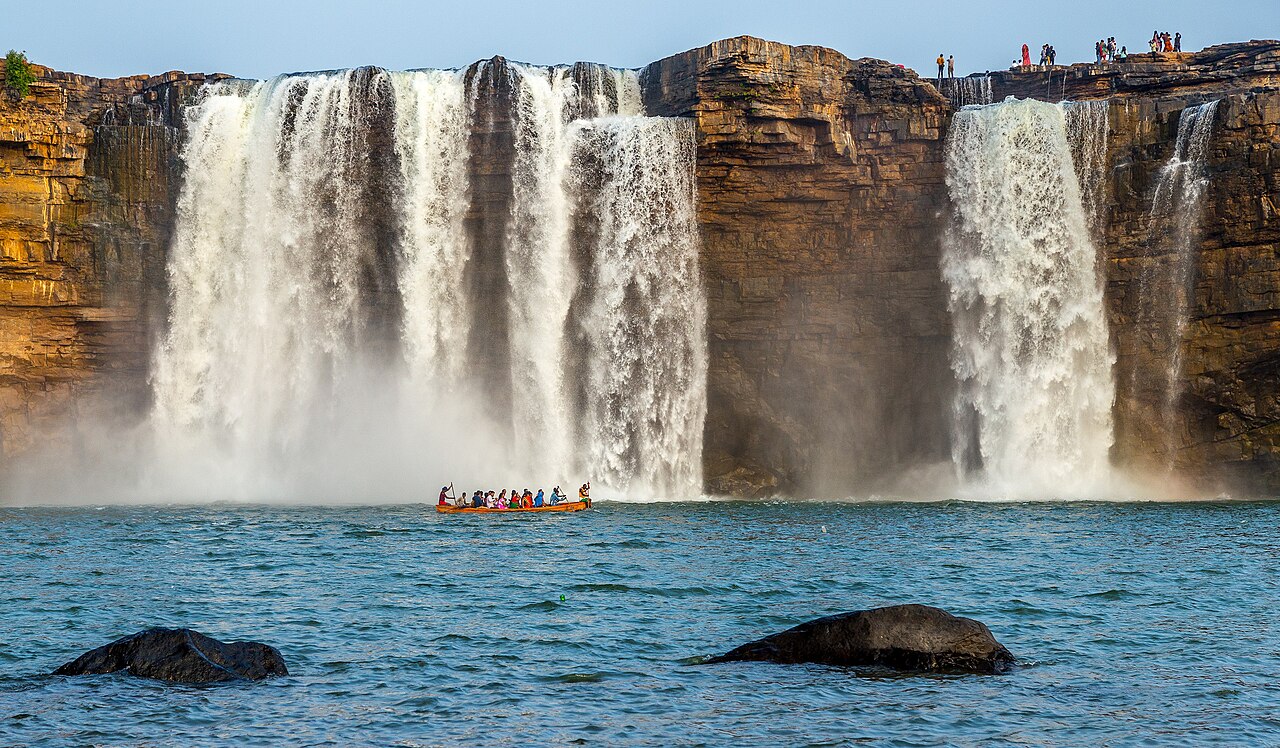
Topographically Central India includes plateaus, low hills and broad river plains. Notable features are the Vindhya and Satpura ranges and the Narmada valley, which cuts westward across the region. Large tracts of dry deciduous and tropical moist forests remain, especially in eastern and southern parts, supporting rich biodiversity and tribal communities. The soils and climate support diverse agriculture, while important mineral deposits—iron ore, coal and bauxite—contribute to mining and related industries.
History and cultural character
The area now called Central India has a long history of settlement and state formation. It was part of ancient and medieval polities such as the Maurya and Gupta empires, later hosting regional powers like Gond and Maratha dynasties before incorporation into the British Indian administration. A strong tribal presence and folk traditions persist alongside mainstream Hindu and Islamic influences. Local languages and dialects include Hindi and its regional varieties, as well as Chhattisgarhi and numerous tribal languages; festivals, crafts and performing arts reflect this mixed heritage.
Economy, cities and infrastructure
Agriculture is a mainstay for much of the population: wheat, rice, pulses, oilseeds and soybeans are significant crops. Industrial activity centers on large towns and cities where manufacturing, services and education are concentrated. Important urban centres include Raipur (administrative hub and growing industrial city), Indore (commercial and educational centre, and the largest city in Madhya Pradesh), and Bhopal (state capital and historical city). Heavy industry is also present; for example, steel and power plants and mining operations play a key role in employment and exports.
Significance and distinctions
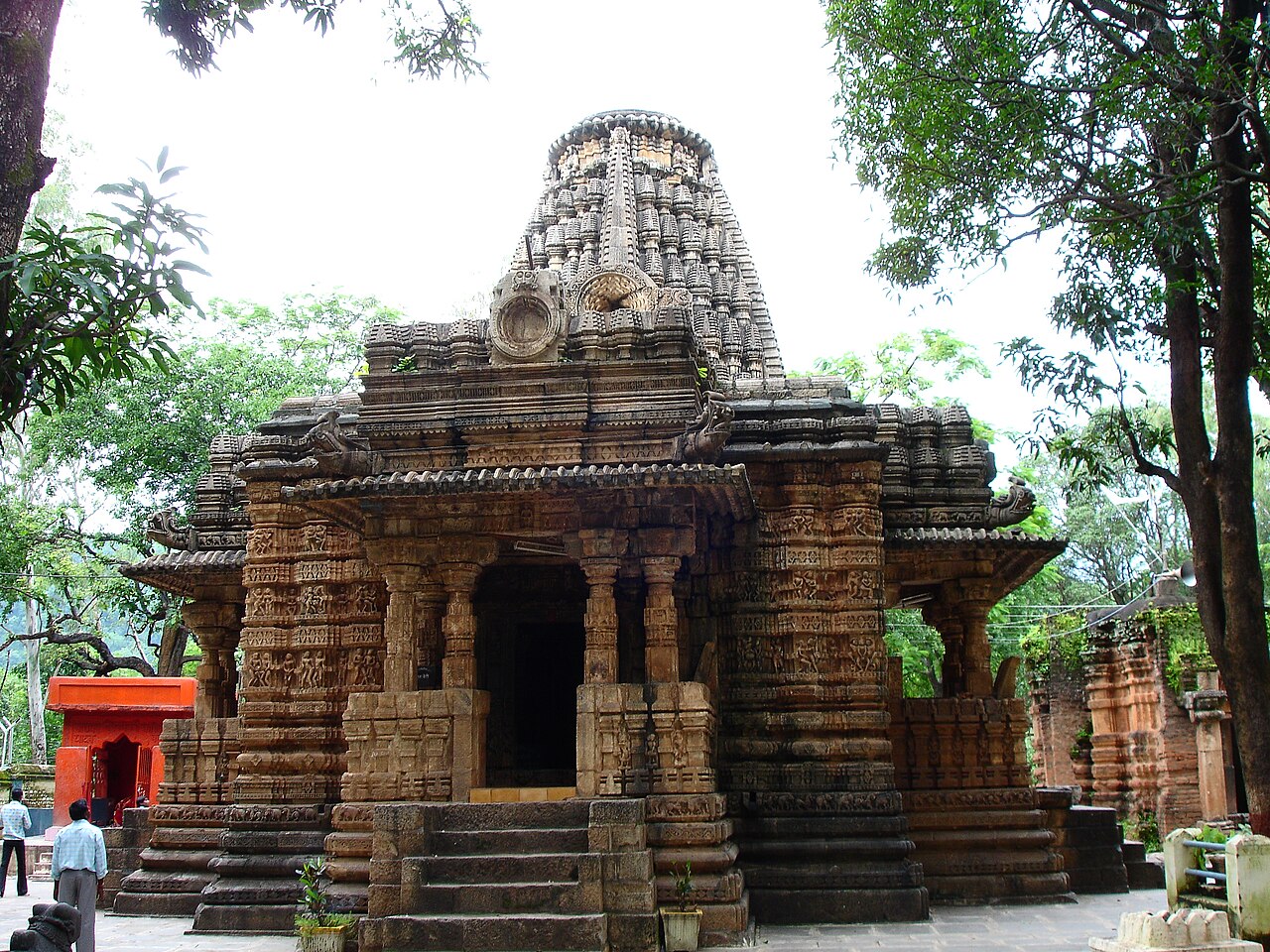
Central India serves as a geographical and cultural crossroads in India. Its protected areas and wildlife reserves are important for conservation, while historical sites—temples, forts and archaeological complexes—attract tourism and scholarship. Politically, the region is shaped by state-level parties and national players and often features prominently in national debates about development, natural resources and tribal rights; political institutions and governance systems vary across the two states and over time (relevant parties and institutions). Visitors and students often approach Central India for its combination of natural landscapes, heritage sites and living cultural traditions.
- Physical features: Vindhya and Satpura ranges, Narmada valley.
- Economic highlights: agriculture, mining, steel and power.
- Major cities: Indore, Bhopal, Raipur.
For more detailed maps, administrative data and cultural resources consult regional guides and official state portals that cover Madhya Pradesh and Chhattisgarh.
Questions and answers
Q: What is Central India?
A: Central India is a region in India that consists of two Indian states: Madhya Pradesh and Chhattisgarh.
Q: What Indian states are part of Central India?
A: Madhya Pradesh and Chhattisgarh are the Indian states that form Central India.
Q: What are the neighboring states of Central India?
A: Central India shares borders with several Indian states, including Rajasthan, Gujarat, Odisha, Jharkhand, Uttar Pradesh, Maharashtra, and Telangana.
Q: Which political party rules Chhattisgarh?
A: The Indian National Congress is the ruling party of Chhattisgarh, with Chief Minister Bhupesh Baghel as its leader.
Q: What is the capital city of Chhattisgarh?
A: The capital city of Chhattisgarh is Raipur, which is also the largest city.
Q: What is the largest city of Madhya Pradesh?
A: Indore is the largest city of Madhya Pradesh.
Q: What is the capital city of Madhya Pradesh?
A: The capital city of Madhya Pradesh is Bhopal.
Related articles
Author
AlegsaOnline.com Central India: geography, history, culture and economy Leandro Alegsa
URL: https://en.alegsaonline.com/art/18046