
Raipur — capital and commercial centre of Chhattisgarh
Raipur is the capital of Chhattisgarh in central India. A regional administrative, educational and commercial hub, it is known for rice cultivation, industry, and growing urban infrastructure.
Raipur is the largest city and administrative capital of the Indian state of Chhattisgarh. Located in central India on the plains of the Mahanadi basin, it became the capital of the newly formed state of Chhattisgarh on 1 November 2000. Prior to the creation of Chhattisgarh, Raipur was part of the larger state of Madhya Pradesh. The city functions as the political and economic centre of the region and serves a broad rural hinterland.
Image gallery
10 Images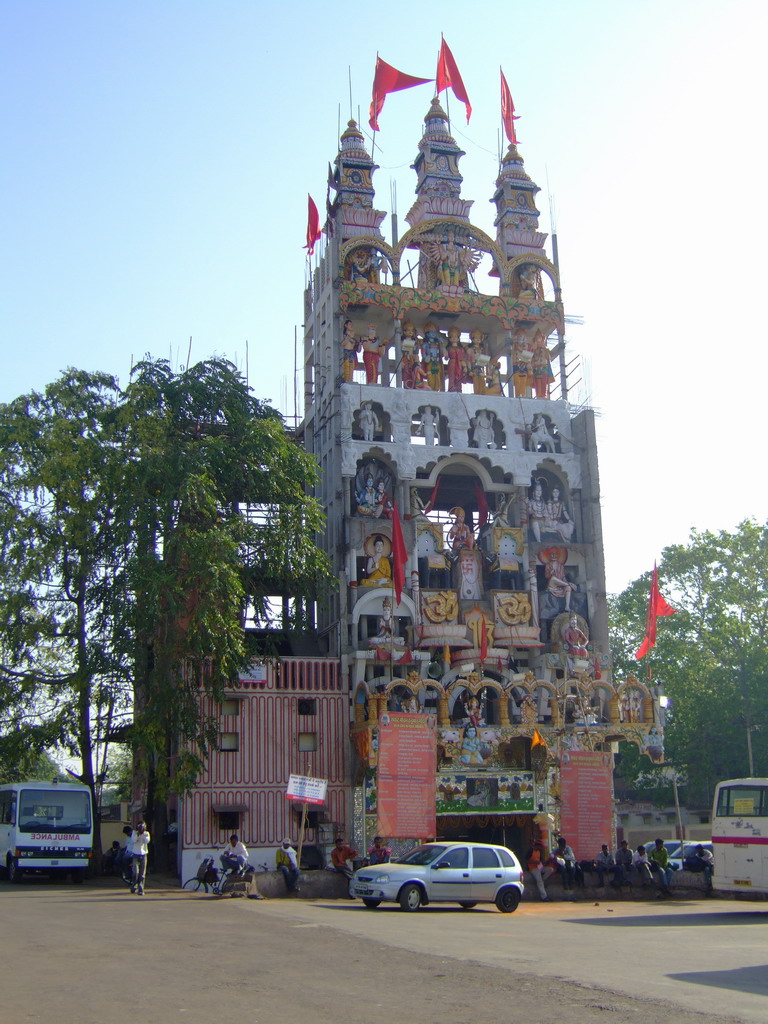


Geography and climate
Raipur lies on relatively flat terrain with rivers and seasonal wetlands nearby. The climate is typically tropical with a hot summer, a monsoon season that brings most of the annual rainfall, and a mild winter. This combination of fertile soils and monsoon rains supports intensive agriculture in surrounding districts.
History and urban development
The area around Raipur has a long history of settlement and local kingdoms; under British rule it was an important administrative town. After Indian independence, Raipur grew steadily as a regional market and transport node. Since becoming a state capital in 2000, the city has seen planned urban expansion, new administrative complexes and the development of a planned capital area intended to host government institutions and modern infrastructure.
Economy, agriculture and industry
Raipur is both an agricultural trading centre and an industrial hub. The surrounding countryside produces a range of crops, but rice cultivation is especially prominent—so much so that the region is often described as a major rice-producing area. For more on this staple crop see rice. Urban economic activity includes steel-related manufacturing, power and cement industries, trade, education and a growing services sector.
Culture, transport and landmarks
The city is culturally diverse, with languages such as Hindi and Chhattisgarhi widely spoken and a calendar of Hindu festivals, fairs and public events. Raipur is connected by rail and road to other major Indian cities and has a commercial airport facilitating passenger and cargo travel. Notable local sites include public museums, parks, temples and markets that reflect both traditional practices and modern life.
- Key sectors: agriculture, manufacturing, education, government services
- Transport: major railway junction, regional airport, national highways
- Urban projects: planned administrative precincts and expanding civic amenities
As a state capital, Raipur plays a central role in administration, higher education and regional commerce. Its mix of agricultural importance, industrial activity and ongoing urban development make it a significant node in central India's economic and social landscape.
Questions and answers
Q: What is Raipur?
A: Raipur is the capital city of the Indian state of Chhattisgarh.
Q: When was Chhattisgarh formed?
A: Chhattisgarh was formed on 1 November 2000.
Q: What was Raipur's previous state?
A: Raipur was in the state of Madhya Pradesh before Chhattisgarh was formed.
Q: What is Raipur famous for?
A: Raipur is famous for being the "rice bowl of India" as many types of rice are grown there.
Q: What is the capital city of Chhattisgarh?
A: The capital city of Chhattisgarh is Raipur.
Q: Where is Raipur located?
A: Raipur is located in the Indian state of Chhattisgarh.
Q: Which crop is widely grown in Raipur?
A: Rice is widely grown in the city of Raipur, Chhattisgarh.
Related articles
Author
AlegsaOnline.com Raipur — capital and commercial centre of Chhattisgarh Leandro Alegsa
URL: https://en.alegsaonline.com/art/80931
Sources
- commons.wikimedia.org : Raipur
- books.google.com : Understanding: Geographical: Map Entries: for Civil Services Examinations: Second Edition
- books.google.com : The Right to Information and Panchayati Raj Institutions:Chhattisgarh as a Case Study (2006)
- books.google.com : The Changing Identity of Rural India: A Socio-Historic Analysis