
Bhopal: City of Lakes and capital of Madhya Pradesh
Bhopal is the capital city of Madhya Pradesh in central India, known for its lakes, mixed cultural heritage, administrative role, and as the site of a major industrial tragedy in 1984.
Overview
Bhopal is the capital of the Indian state of Madhya Pradesh and serves as the administrative headquarters of Bhopal district. Located in central India, it is one of the state's largest cities, after Indore. Often called the "City of Lakes," Bhopal is built around a series of natural and artificial water bodies and combines modern administration with historic urban fabric.
Image gallery
10 Images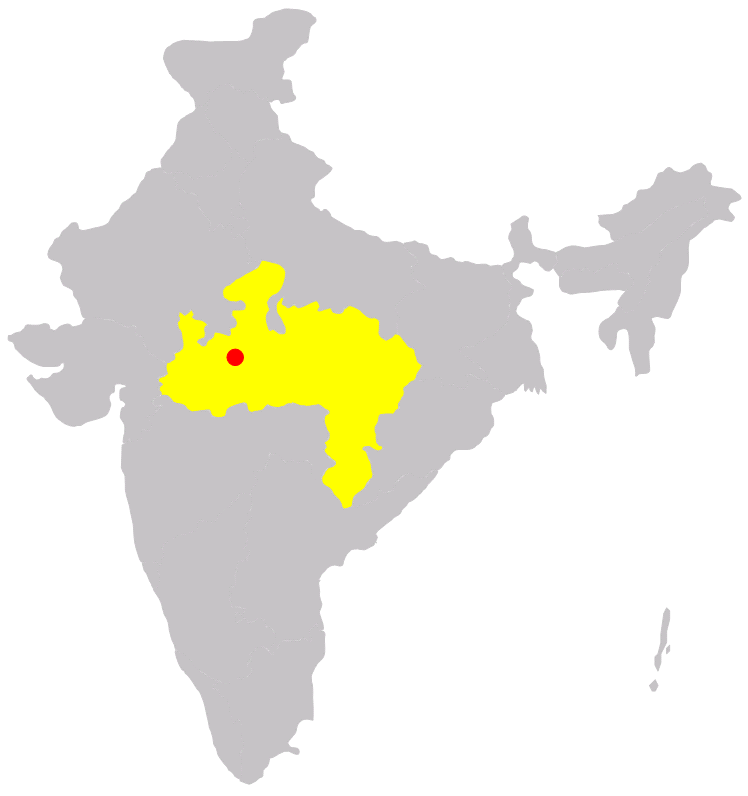


History and name
The city’s origins are linked in local tradition to a hilltop reservoir created by the 11th‑century king Bhoja, and the older name Bhojpal is commonly cited as the source of the present name. Bhopal later grew under successive regional rulers and became notable in the 18th and 19th centuries as the seat of the princely state ruled by a line of Nawabs. Its modern administrative role expanded after India’s independence.
Geography, climate and environment
Bhopal sits at an elevation of about 499 metres (1,637 ft) above sea level and lies within a plateaued interior plain. The city’s signature features are the lakes — including the large Upper Lake (Bhojtal) and the adjoining Lower Lake — which support recreation, wildlife habitats and urban water supply. Surrounding parks and protected areas preserve regional flora and fauna, and the climate is typically continental with hot summers and a distinct monsoon season.
Culture, economy and landmarks
Bhopal’s economy combines government administration, education, services and light industry. Cultural life reflects Hindu and Islamic influences visible in architecture and festivals. Notable sites include:
- Taj-ul-Masajid, a prominent mosque;
- Bharat Bhavan, a multi-arts cultural centre;
- historic palaces, museums and the lakeside promenades.
The city is also a regional education centre with several universities and research institutions, and tourism linked to its water bodies, heritage buildings and cultural events.
Notable events and legacy
Bhopal is internationally remembered for the 1984 industrial gas leak, an event that caused widespread immediate fatalities and long-term health and environmental effects. It prompted legal, regulatory and public health debates about industrial safety worldwide and continues to shape local advocacy and remediation efforts.
Questions and answers
Q: What is the capital of Madhya Pradesh, India?
A: The capital of Madhya Pradesh, India is Bhopal.
Q: What is the second largest city in Madhya Pradesh?
A: The second largest city in Madhya Pradesh is Indore.
Q: What is Bhopal known as?
A: Bhopal is known as the City of Lakes.
Q: What is the headquarters of Bhopal District?
A: The headquarters of Bhopal District is Bhopal.
Q: Where is Bhopal located?
A: Bhopal is located in the central part of India.
Q: What is the theory behind Bhopal's name?
A: The theory behind Bhopal's name is that it was first called Bhojpal, named after the King of Bhoj, and later changed to Bhopal.
Q: What is the average elevation of Bhopal?
A: The average elevation of Bhopal is 499 metres (1637 ft).
Related articles
Author
AlegsaOnline.com Bhopal: City of Lakes and capital of Madhya Pradesh Leandro Alegsa
URL: https://en.alegsaonline.com/art/11197
Sources
- hindustantimes.com : "Hindustan Times - Archive News"
- hindustantimes.com : hindustantimes.com/
- commons.wikimedia.org : Bhopal