
Jharkhand: geography, people, resources and history
Jharkhand is an eastern Indian state formed in 2000, known for its plateaus, forests, mineral wealth, tribal cultures and industrial cities; capital is Ranchi.
Overview
Jharkhand is a state in eastern India created from southern districts of Bihar in 2000. It covers about 74,680 km², making it larger than Sierra Leone but smaller than Panama. The official administrative centre is Ranchi, the state capital, which serves as the main political and administrative hub (capital reference). In traditional regional schemes it is placed in the East Indian zone.
Image gallery
10 Images






Geography and environment
Jharkhand occupies parts of the Chota Nagpur Plateau and is marked by undulating hills, forests and river valleys. Important rivers include the Damodar, Subarnarekha and Koel. The state has large tracts of forest and significant biodiversity in its lowland and plateau areas. Mineral-bearing belts and lateritic soil are widespread.
People, languages and society
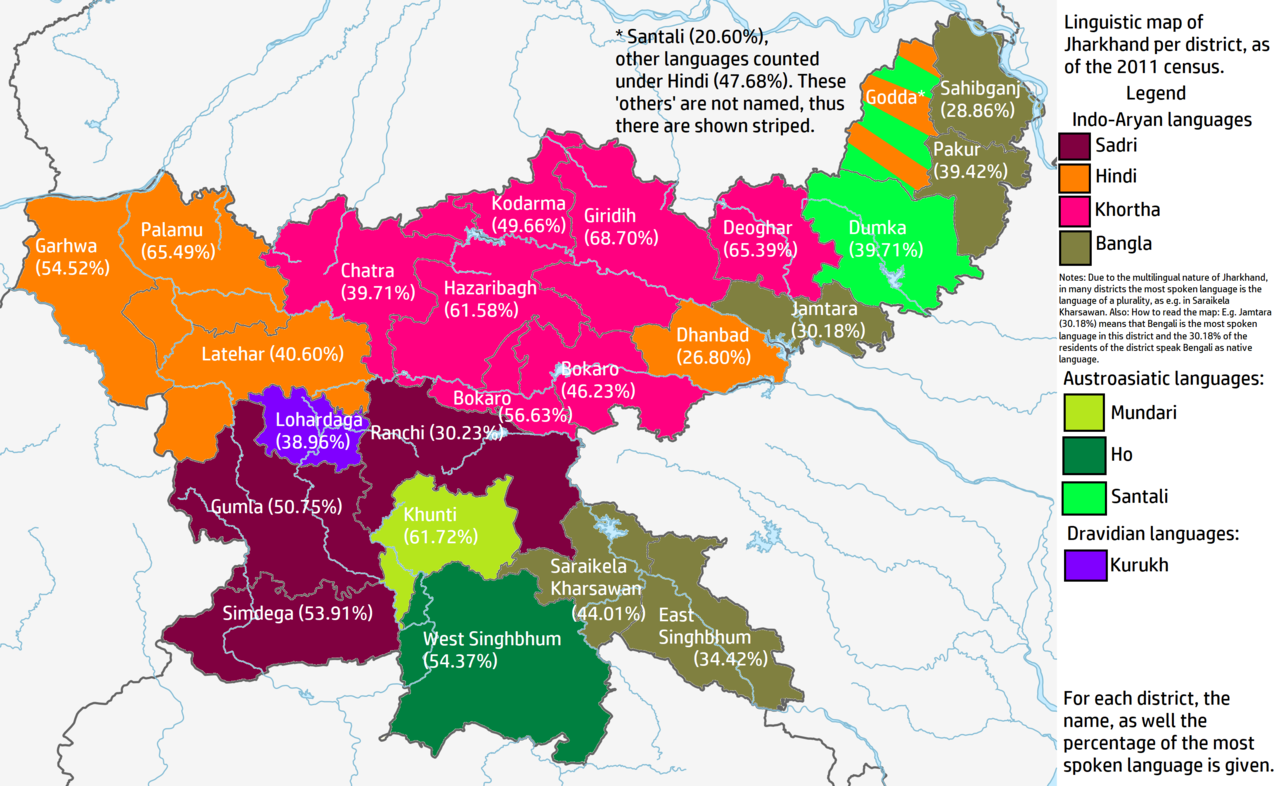
The population is a mix of tribal and non-tribal communities, with a substantial indigenous (Adivasi) presence—roughly a quarter of the inhabitants—speaking languages such as Hindi, Santali, Mundari, Ho and other regional tongues. Urban growth has concentrated around industrial towns while many rural areas retain traditional village life and customary practices.
Economy and natural resources
Industries in Jharkhand are driven by mining, metallurgy and energy. The state is known for coal, iron ore and other minerals that support steel plants, power stations and heavy engineering. Agriculture, forestry and non-timber forest products also contribute to livelihoods.
- Major cities and industrial centres: Jamshedpur, Dhanbad, Bokaro, Ranchi.
- Key resources: coal, iron ore, copper, mica and timber.
History and culture
Jharkhand’s modern political identity grew from long-standing tribal movements and regional demands for a distinct administration to manage local resources and social development. The area has a deep cultural heritage of tribal festivals such as Sarhul and Karma, traditional music, dance and crafts. Archaeological sites and folk traditions reflect a continuity of local cultures alongside influences from neighbouring regions.
Administration and notable facts
The state government administers districts organized for delivery of services and development. Jharkhand plays a strategic role in India’s resource and industrial sectors and faces development challenges typical of mineral-rich regions: balancing extraction, environmental protection and livelihoods. For readers seeking more details on geography, economy or cultural life, consult regional surveys and government publications.
Related articles
Author
AlegsaOnline.com Jharkhand: geography, people, resources and history Leandro Alegsa
URL: https://en.alegsaonline.com/art/50152