
Castoridae: the beaver family
Castoridae, the beaver family, includes the living genus Castor (North American and Eurasian beavers) and about twenty extinct genera. Large semiaquatic rodents adapted for gnawing, swimming and shaping freshwater habitats.
Overview
The family Castoridae belongs to the order Rodentia and comprises beavers and their fossil relatives. Today only the genus Castor survives, which includes the two widely recognised living species commonly called beavers (the North American and the Eurasian beaver). Paleontologists have assigned roughly twenty extinct genera to the family, indicating a once more diverse group with a range of ecological roles.
Image gallery
5 Images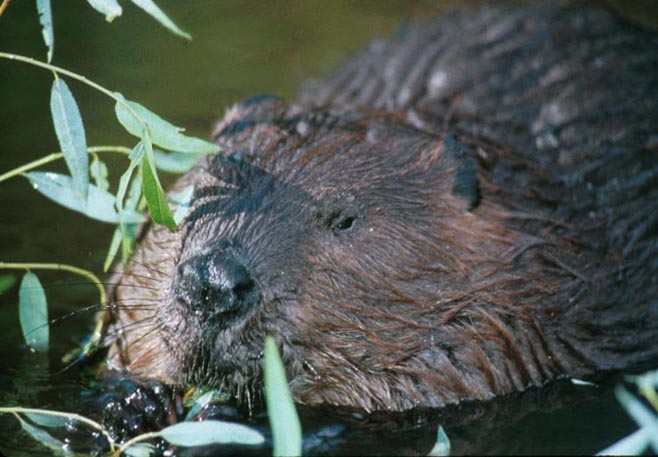


Anatomy and adaptations
Castorids are among the largest rodents and show a suite of adaptations for a semiaquatic, wood-based lifestyle: large ever-growing incisors with enamel-covered surfaces for gnawing, muscular jaws and skulls, webbed hind feet for efficient swimming, and a broad, flattened tail used for propulsion, balance and communication. Dense, water-repellent fur and a layer of insulating underfur help maintain body temperature in cold water.
Species and distribution
Modern beavers in the genus Castor are native across parts of the Holarctic. The North American and Eurasian species occupy rivers, streams and lakes where they build lodges and dams. Local abundance varies with habitat quality, historical exploitation, and conservation measures that have enabled recolonisation or reintroduction in many regions.
Evolution and fossil record
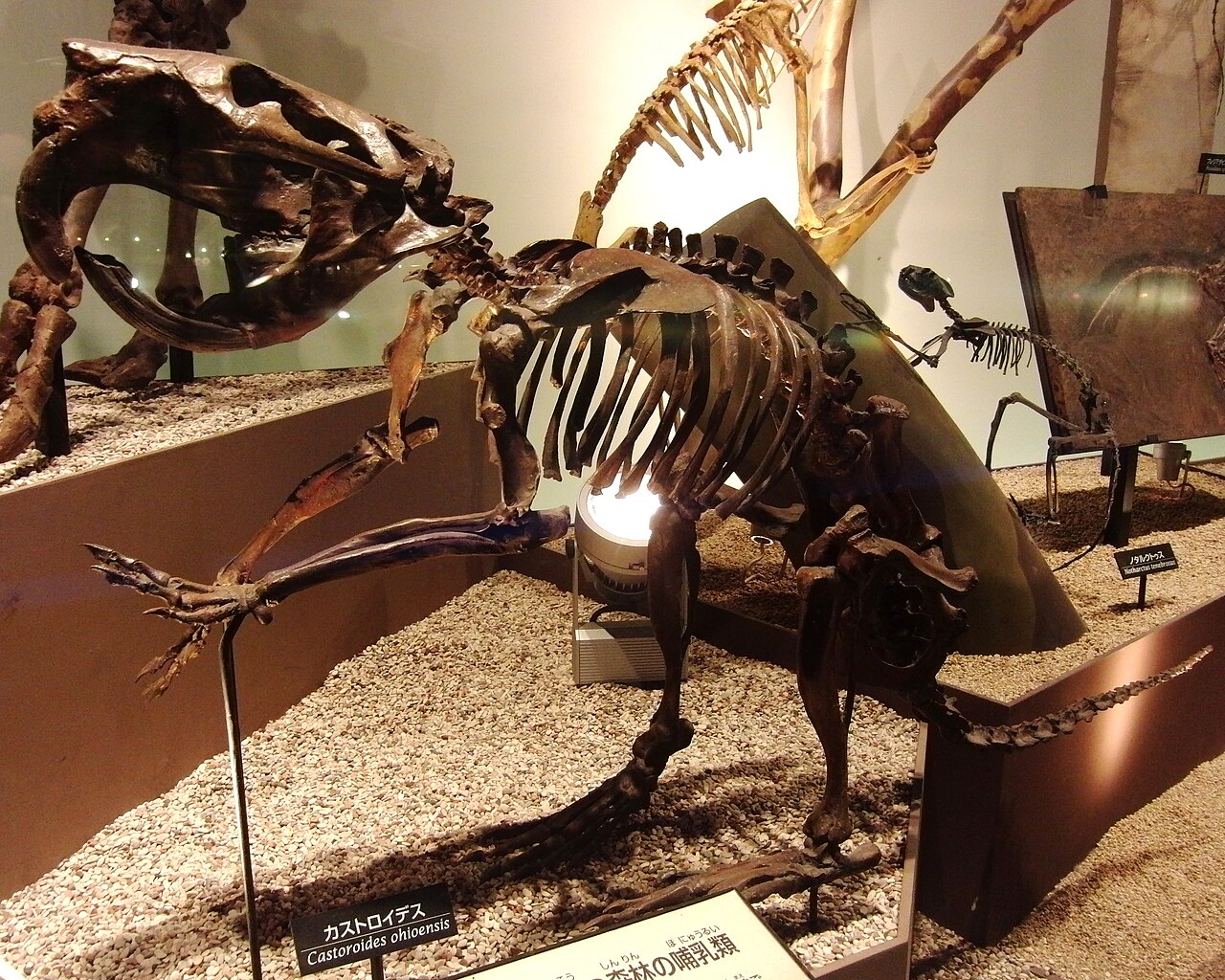
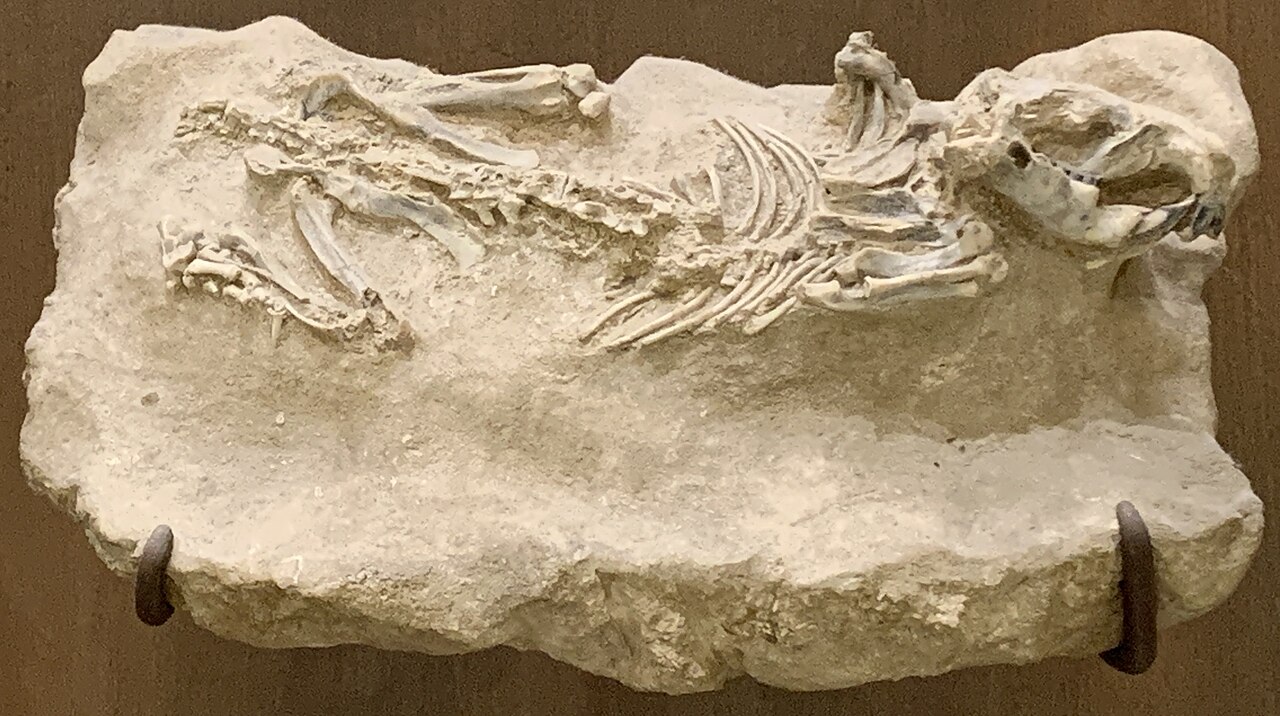
The fossil record preserves numerous castorid forms that reveal transitions in size, diet and lifestyle. Extinct taxa range from small, more terrestrial species to large semiaquatic ones. One well-known example of an extinct giant beaver is Castoroides, which illustrates the former diversity and ecological breadth of the family. Fossils are important for understanding when and how aquatic behaviours and specialised teeth evolved.
Ecology, behaviour and importance
Beavers are often described as ecosystem engineers because their dam-building and tree-felling create wetlands, ponds and new habitat niches used by many other organisms. They eat bark, cambium and aquatic plants, and live in social family groups that cooperate in constructing lodges and maintaining structures. Their activities influence hydrology, sedimentation and nutrient cycles in temperate freshwater systems.
Human interactions and conservation
Humans have long valued beavers for fur and for products derived from them, which historically reduced populations in many areas. Recent conservation, legal protection and reintroduction projects have restored beavers to parts of their former range, improving wetland restoration and biodiversity. At the same time, their habitat modification can conflict with agriculture, forestry and infrastructure, so management seeks to balance ecological benefits with human needs.
Distinctive facts
- Only the genus Castor contains living species; approximately twenty extinct genera are known from fossils.
- Beavers alter freshwater ecosystems through dam and lodge construction, creating habitat for many other species.
- Human attitudes have shifted from intensive exploitation to conservation and ecological restoration in many regions.
Related articles
Author
AlegsaOnline.com Castoridae: the beaver family Leandro Alegsa
URL: https://en.alegsaonline.com/art/17535