
Cascavel — regional city in western Paraná, Brazil
Cascavel is a regional hub in western Paraná, southern Brazil, on a high plateau with about 300,000 residents. It is an agricultural, commercial and transport center near the Triple Border with Paraguay and Argentina.
Overview
Cascavel is a medium-sized city in western Paraná state, in the south of Brazil. The municipality has roughly 300,000 inhabitants and functions as a service, education and logistics center for the surrounding agricultural region. Its name, which means "rattlesnake" in Portuguese, reflects local fauna known to early settlers.
Image gallery
9 Images




Geography and climate
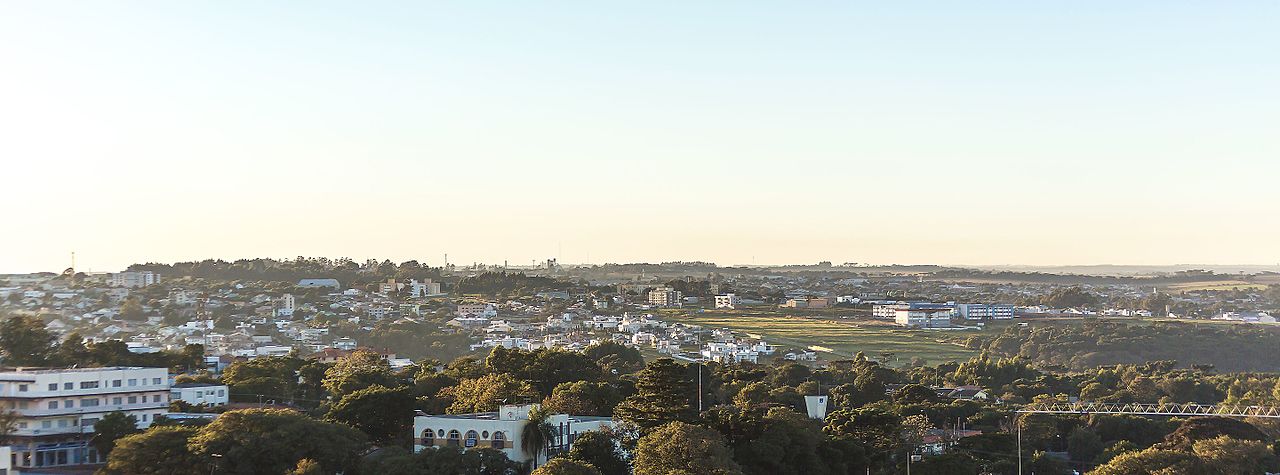
The urban area sits on a plateau (local plateau) at about 781 metres above sea level, giving it a temperate climate relative to lowland tropical zones. Cascavel's higher elevation moderates temperatures and supports diverse crops in the surrounding countryside. The city lies to the west of the coastal ranges and serves as a gateway to the interior of Paraná.
Location and transport links
Cascavel occupies a strategic position in western Paraná with road and air connections to several regional nodes. Typical distances to nearby points of reference include:
- Approximately 504 km west of Curitiba, the state capital.
- About 605 km west of the port city of Paranaguá.
- Near 140 km from Foz do Iguaçu and the adjoining international frontier.
Its proximity to the so-called Triple Border region places Cascavel within a broader cross-border economic area that includes Paraguay and Argentina.
History and development
Cascavel grew from rural settlement and small farms into an urban center during the 20th century as roads, markets and migration stimulated growth. Over decades it expanded public services, schools and health facilities and gradually became the principal city for the surrounding agricultural plain. While not a colonial-era town, its rapid 20th-century development is typical of interior Brazilian cities tied to agribusiness.
Economy and culture
The local economy combines agribusiness (grain, livestock and related industries), commerce, education and healthcare. Cascavel hosts regional fairs, cultural events and higher-education institutions that draw students from nearby municipalities. As a transport and commercial hub, it supports a network of smaller towns through trade and professional services.
Notable facts and distinctions
Cascavel is often cited as an important inland center in southern Brazil because of its location, elevation and role in regional supply chains. Visitors encounter a mix of urban amenities and rural landscapes; the city's development illustrates wider patterns of interior growth connected to agriculture, highways and cross-border commerce.
Related articles
Author
AlegsaOnline.com Cascavel — regional city in western Paraná, Brazil Leandro Alegsa
URL: https://en.alegsaonline.com/art/17385