
Caserta, Italy
Caserta is a provincial capital in the Campania region of Italy, best known for the 18th‑century Royal Palace (Reggia di Caserta), its gardens, and its role as a cultural and transport hub near Naples.
Overview
Caserta is a city and the administrative center of its province in the Campania region of Italy. It functions as a local economic and cultural focal point for surrounding towns and the rural plain. The city's identity is strongly linked to a grand royal residence built in the 18th century that remains its most recognisable landmark.
Image gallery
7 Images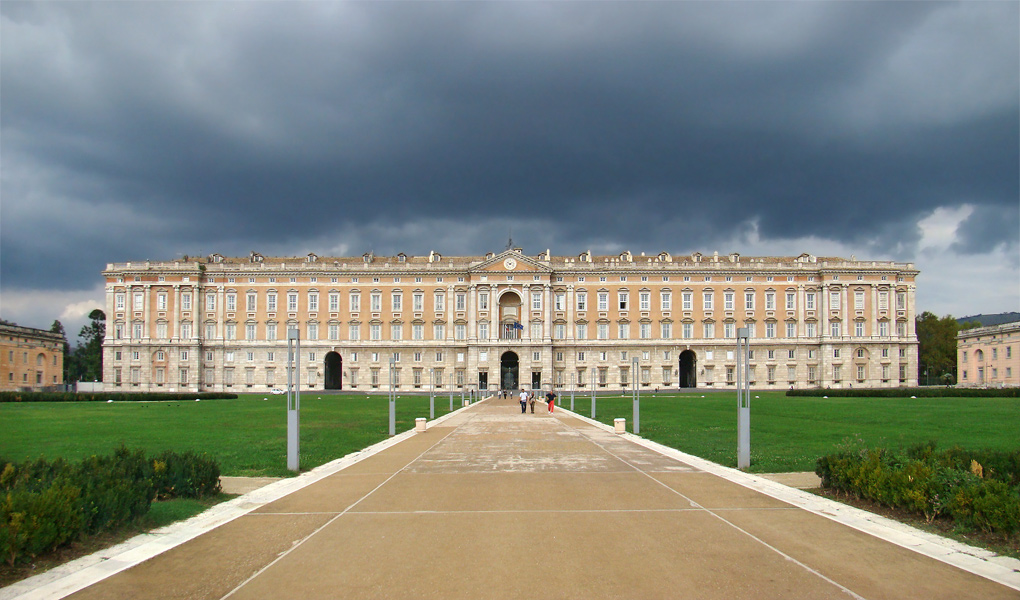


Reggia di Caserta and architecture
The Reggia di Caserta (Royal Palace of Caserta) was commissioned by the Bourbon kings and designed by architect Luigi Vanvitelli. It is noted for its monumental façade, richly decorated interiors and extensive landscaped park featuring cascades, fountains and long tree-lined avenues. The palace ensemble is often compared to other great European royal residences for scale and ambition.
History and development
Caserta developed around the palace complex and expanded through the 19th and 20th centuries as infrastructure and industry grew in the region. Its history reflects broader southern Italian themes: dynastic rule, urban growth, and modernization while retaining a historic core with churches and civic buildings.
Economy, transport and culture
Today the city combines administrative services, light industry, commerce and agriculture in nearby areas. Caserta is connected by regional rail and road links to Naples and inland Italy, making it a practical base for residents and visitors. Cultural life includes local festivals, museums and performances hosted at historic venues.
Notable facts and visitor information
- The Royal Palace and its park are the principal attraction and enjoy international recognition.
- Visitors can explore the historic centre, cathedral and municipal museums.
- Caserta serves as a gateway to the larger Campania region and its cultural heritage.
Practical note: those planning a visit often combine a palace tour with excursions to nearby sites in Campania. The city's mix of monumental architecture and everyday southern Italian life offers perspectives on regional history and contemporary urban living.
Related articles
Author
AlegsaOnline.com Caserta, Italy Leandro Alegsa
URL: https://en.alegsaonline.com/art/17391