
Carrie (1976 film)
Carrie is Brian De Palma’s 1976 adaptation of Stephen King’s debut novel, a landmark supernatural horror about bullying, telekinesis and a violent coming-of-age at a high school prom.
Overview
Carrie is a 1976 American motion picture that helped define modern supernatural and horror cinema. Directed by Brian De Palma and featuring his visual style and suspenseful staging, the film was adapted for the screen by Lawrence D. Cohen from the 1974 novel of the same name by Stephen King (source novel). Its combination of teen drama, religious tension and telekinetic spectacle made it both a critical talking point and a cultural reference point.
Image gallery
2 Images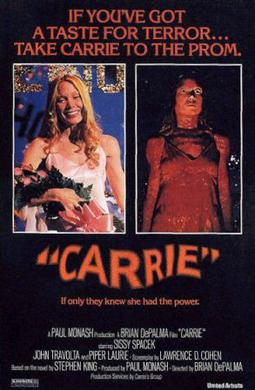

Plot and themes
The story follows Carrie White, a withdrawn teenage girl raised under the strict control of her fanatically religious mother and tormented by classmates. Actress Sissy Spacek portrays Carrie, whose suppressed emotions trigger developing telekinetic abilities. Bullying at school escalates into a catastrophic climax at the prom, when deliberate humiliation provokes a destructive use of her power. Major themes include social cruelty, adolescence, religious extremism, and the consequences of repression.
Production and principal cast
De Palma’s direction emphasizes visual symbolism and long takes to build dread, while Cohen’s screenplay condenses the novel’s episodes into a focused dramatic arc. The film features notable performances, including Piper Laurie as Carrie’s mother and a supporting ensemble drawn from emerging and established actors. Key cast members include:
- Nancy Allen — classmate and school figure
- Amy Irving — prom subplot and character contrast
- William Katt — sympathetic male lead
- John Travolta — an early-career role among the student ensemble
Reception and legacy
On release, Carrie was widely discussed for its disturbing final sequence and its sympathetic treatment of a marginalized protagonist. The film’s iconic imagery and the prom sequence have been referenced, parodied and studied in film criticism and popular culture. It also contributed to the careers of its principal actors and the director, solidifying De Palma’s reputation for genre filmmaking.
Sequels, remakes and adaptations
The original film inspired follow-up works and reinterpretations. A later sequel, The Rage: Carrie 2, revisited similar ideas about inherited trauma and adolescent rage. The story has also been remade for television and cinema, with notable versions produced in 2002 and 2013, each offering different emphases on character motivation and special effects. Beyond screen remakes, the novel and film have generated stage adaptations and academic discussion.
Notable facts and distinctions
While straightforward as a revenge narrative, Carrie stands out for blending realistic social cruelty with supernatural consequences, making it an early example of the teen-horror hybrid that later became commonplace. The film is also often cited in conversations about on-screen depictions of bullying and the morality of violent retribution. Its influence extends into film technique, horror storytelling and popular depictions of telekinesis.
Further reading
For readers interested in deeper study, contemporary reviews, interviews with the cast and crew, and analyses of thematic content provide a fuller picture of the film’s place in 1970s cinema and its continuing cultural resonance. The original novel by Stephen King remains a primary source for contrasts between literary and cinematic storytelling.
Contextual links: high school setting, revenge theme, abuse and suffering, De Palma career, director credit.
Tags
Related articles
Author
AlegsaOnline.com Carrie (1976 film) Leandro Alegsa
URL: https://en.alegsaonline.com/art/17249