
Anna Karenina (1935 film)
1935 Metro-Goldwyn-Mayer romantic drama directed by Clarence Brown, starring Greta Garbo and Fredric March; a Hollywood adaptation of Leo Tolstoy's novel focusing on Anna's tragic love affair.
Overview
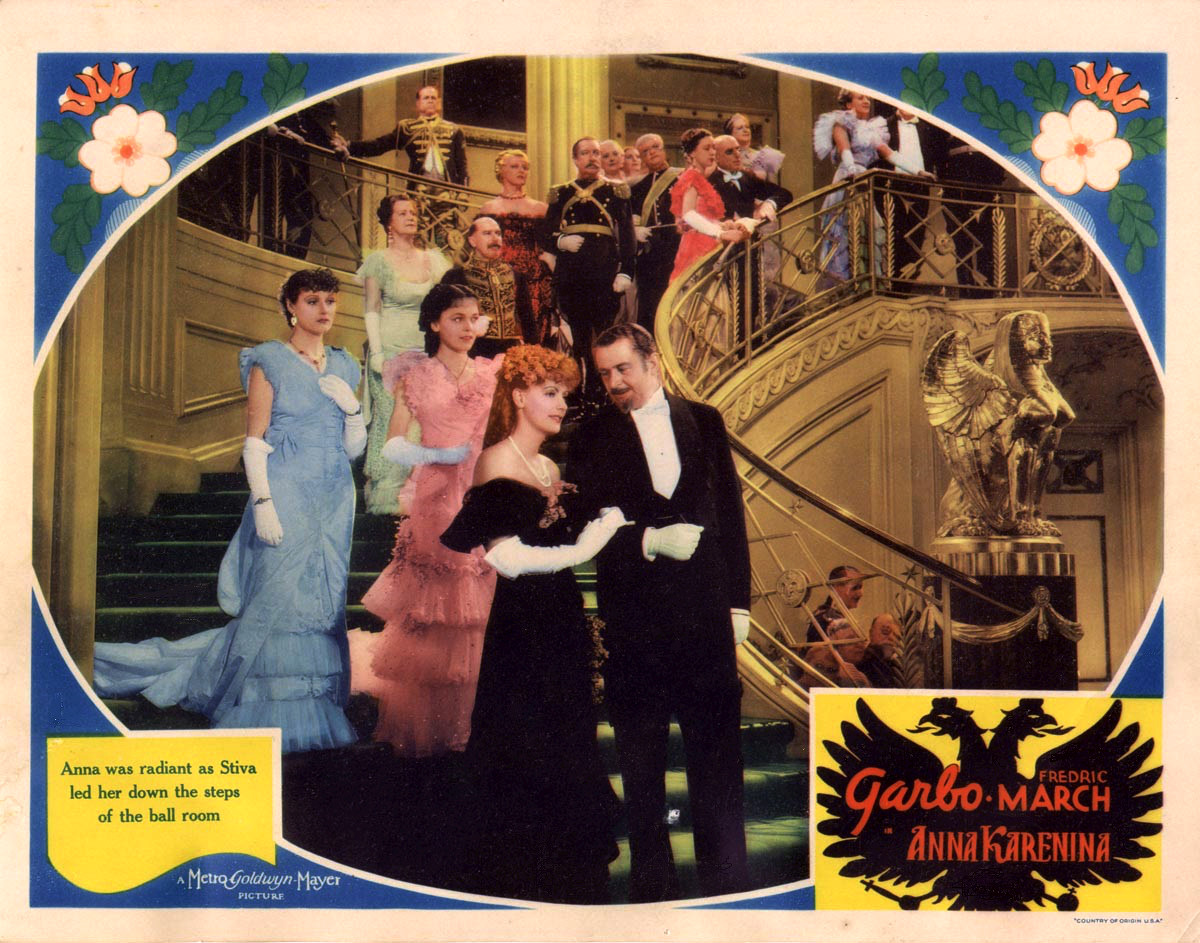
Anna Karenina (1935) is an American period drama produced by Metro-Goldwyn-Mayer and directed by Clarence Brown. The screenplay adapts Leo Tolstoy's 1877 novel and centers on the doomed relationship between the married aristocrat Anna and the dashing officer Count Vronsky. The film was created during Hollywood's studio era and is typical of MGM's lavish approach to costume and set design.
Image gallery
4 Images

Adaptation and themes
The movie condenses Tolstoy's sprawling novel to emphasize the central romance and the social consequences that follow. It downplays many of the book's extensive philosophical and rural subplots—most notably the full arc of Levin—and concentrates on themes of passion, honor, and ostracism in upper‑class Russian society. The result is a more focused melodrama than the source, intended for a 1930s cinema audience.
Principal cast and characters
- Greta Garbo as Anna Karenina — the film's emotional core, portraying a woman torn between duty and desire.
- Fredric March as Count Alexei Vronsky — Anna's lover and a charismatic military officer.
- Freddie Bartholomew in a supporting role.
- Maureen O'Sullivan among the principal supporting players, with additional roles by Basil Rathbone, Reginald Owen, and Reginald Denny.
Production and direction
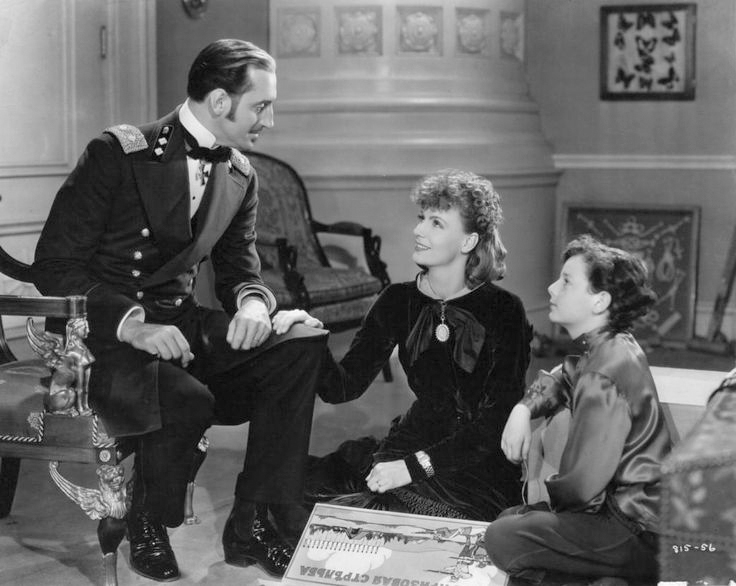
Clarence Brown, known for his collaborations with leading actors of the era, helmed the picture with a classical studio style: polished compositions, careful lighting, and an emphasis on performance. MGM's production values are evident in period costumes and interiors that evoke late 19th‑century Russia while remaining tailored to 1930s Hollywood sensibilities. The film was produced and distributed by Metro‑Goldwyn‑Mayer.
Reception and legacy
At release the picture drew attention primarily for Greta Garbo's performance, which many contemporary reviewers praised for its intensity and restraint. As a film adaptation it is frequently noted for what it omits as much as for what it preserves: viewers familiar with Tolstoy often point out the narrative simplifications required to fit the novel into a studio picture. Over time the 1935 adaptation has been discussed in histories of classic Hollywood as a notable instance of literary material reshaped for the screen.
Further context
For readers who wish to compare versions, the film is one of several screen adaptations of Tolstoy's Anna Karenina made in different countries and eras, each with its own approach to the novel's moral and social complexities. The 1935 film remains of interest to students of star performance, studio production, and the challenges of adapting long, psychologically rich novels for a popular film audience.
References and related pages: see entries on Greta Garbo, Fredric March, and historical notes on MGM.
Questions and answers
Q: What is Anna Karenina?
A: Anna Karenina is a 1935 American romantic period drama movie based on the 1877 book of the same name by Leo Tolstoy.
Q: Who directed Anna Karenina?
A: Anna Karenina was directed by Clarence Brown.
Q: Who are the actors in Anna Karenina?
A: Actors in Anna Karenina include Greta Garbo, Fredric March, Freddie Bartholomew, Maureen O'Sullivan, Basil Rathbone, Reginald Owen, and Reginald Denny.
Q: What is the movie rating of Anna Karenina?
A: There is no information on the movie rating of Anna Karenina.
Q: When was Anna Karenina released?
A: Anna Karenina was released in 1935.
Q: What is the production company of Anna Karenina?
A: Anna Karenina was distributed by Metro-Goldwyn-Mayer.
Q: What is the source material of Anna Karenina?
A: The movie is based on the 1877 book of the same name by Leo Tolstoy.
Tags
Related articles
Author
AlegsaOnline.com Anna Karenina (1935 film) Leandro Alegsa
URL: https://en.alegsaonline.com/art/4362