
Carlos Altamirano — Chilean socialist leader and exile
Carlos Altamirano (1922–2019) was a Chilean lawyer, politician and leader of the Socialist Party. He served as deputy, senator and general secretary, went into exile after 1973, and returned after the dictatorship.
Carlos Altamirano Orrego (born December 18, 1922; died May 19, 2019) was a prominent Chilean lawyer and politician whose career spanned legislative service, party leadership and long exile. As a public figure he is most often remembered for his role in the Chilean Socialist Party and for the dramatic rupture of Chilean democracy in 1973 that forced him into exile. He was born and later died in Santiago, and his life intersected politics, sport and public debate.
Image gallery
2 Images
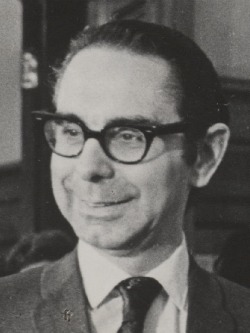
Early life and athletic pursuits
Altamirano trained and worked as a lawyer before entering national politics. In his youth he was also an accomplished athlete: he won medals in the high jump at consecutive South American Championships in Athletics in the mid-1940s, an uncommon background for a senior political leader. This combination of legal training and public visibility helped launch his later legislative career.
Political career and offices
Altamirano was elected to the lower house of the Chilean Congress as a deputy from 1961 to 1965, then to the Senate from 1965 until 1973. He rose to become the general secretary of the Chilean Socialist Party (Partido Socialista) and was one of the party's most influential figures during the late 1960s and early 1970s. His tenure as secretary general—formally recorded as continuing into the 1970s—coincided with a period of intense political polarization in Chile and with the presidency of Salvador Allende. Readers interested in the party's broader history can consult materials on Chilean socialism.
Exile after the 1973 coup
After the military coup of September 11, 1973, which toppled the Allende government, Altamirano fled Chile to avoid repression. He spent part of his exile in Cuba and lived abroad for many years, remaining an active figure in the Chilean left in exile and in debates about the future of his party. The coup itself was led by General Pinochet, who established a military dictatorship that lasted until the early 1990s. Altamirano returned to Chile after the restoration of democratic rule and the end of the military regime, resuming a quieter but still public role in national affairs.
Legacy and notable aspects
- Political influence: Altamirano shaped strategy and debate within the Socialist Party during a formative period in Chilean politics.
- Exile and return: His long exile and eventual return are emblematic of the experiences of many Chilean political exiles of that era.
- Public figure across fields: His early athletic accomplishments and later legal and political work made him a multifaceted public personality.
Throughout his life Altamirano remained a reference point in discussions about Chile's democratic traditions, the tactics of left-wing parties, and the personal costs of political conflict. While assessments of his positions and decisions differ across political perspectives, his career illustrates the close ties between party leadership, legislative service and the broader national crises that shaped Chile in the second half of the 20th century.
For more context on specific episodes of his life—legislative initiatives, party debates, or accounts of his exile—readers can follow archival resources and dedicated histories of Chilean politics and the Socialist Party. Additional bibliographic and documentary material can be found through institutional collections and historical research portals that document the era.
Lawyer | Chilean socialism | Santiago | Cuba | Pinochet | dictatorship
Related articles
Author
AlegsaOnline.com Carlos Altamirano — Chilean socialist leader and exile Leandro Alegsa
URL: https://en.alegsaonline.com/art/17060
Sources
- guardian.co.uk : "Lords reserve Pinochet ruling"
- noticias.tvn.cl : Confesiones de un ex Patria y Libertad
- latercera.com : Carlos Altamirano's obituary