
Carlos Büsser
Argentine naval officer who led the forces that occupied the Falkland Islands in 1982. He had a long naval career and remained a controversial figure until his death in 2012.
Carlos Alberto César Büsser (1928–2012) was an Argentine naval officer best known for commanding the operation that seized the Falkland Islands in 1982. A career member of the Argentine Navy, he planned and led the force that carried out Operation Rosario, the amphibious and airborne action that resulted in the surrender of the British governor and the temporary occupation of the islands.
Image gallery
3 Images

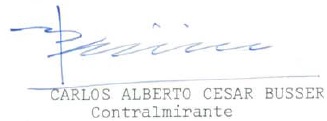
Early life and naval career
Büsser was born in Rosario, Argentina in January 1928. He trained as a naval officer and served for many years in a variety of posts within the Argentine fleet and naval command structure. Over the decades he developed experience in planning and leading maritime operations, which brought him to a position of operational command in the early 1980s.
Operation Rosario and the Falklands conflict
In April 1982 Büsser was the senior commander directing the Argentine action to take control of the islands. Operation Rosario combined elements of amphibious landing and special forces activity with the objective of securing government buildings and compelling a peaceful surrender by the local administration. The operation achieved its immediate military goals, though it precipitated a larger war between Argentina and the United Kingdom over sovereignty of the islands.
Later life and legacy
After the conflict Büsser continued to be associated with official and public discussions about the war and the conduct of military operations. Opinions about his role remain divided: some view him as a skilled planner who carried out orders effectively, while others place his actions in the broader contested and political context of the 1982 campaign. He also gave interviews and participated in events reflecting on the conflict later in life.
Death and notable facts
Carlos Büsser died in September 2012 in Buenos Aires. His death was reported as resulting from a heart attack. His name continues to appear in histories of the Falklands conflict, and he is frequently mentioned in accounts of Argentine naval operations during that period.
- Role: naval officer and operational commander during Operation Rosario.
- Birthplace: Rosario, Argentina.
- Most notable action: seizure of the Falkland Islands in 1982.
- Death: 2012 in Buenos Aires, reported as a heart attack.
For further reading on the broader conflict and military operations of 1982, consult reputable histories and archival sources on the Falklands War and Argentine naval records. Contemporary accounts and later analyses provide context on how the operation was planned and how its consequences shaped Argentine and British policy in the years that followed.
Related articles
Author
AlegsaOnline.com Carlos Büsser Leandro Alegsa
URL: https://en.alegsaonline.com/art/17064