
Augusto Pinochet — Chilean general and head of state (1973–1990)
Chilean army general who led a military junta after the 1973 coup, ruled Chile until 1990, instituted major economic reforms and was later the subject of human rights investigations and international legal actions.
Overview
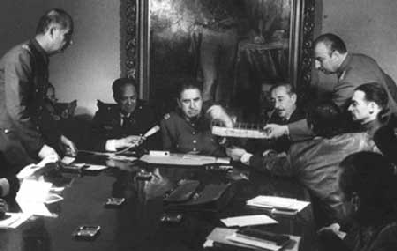
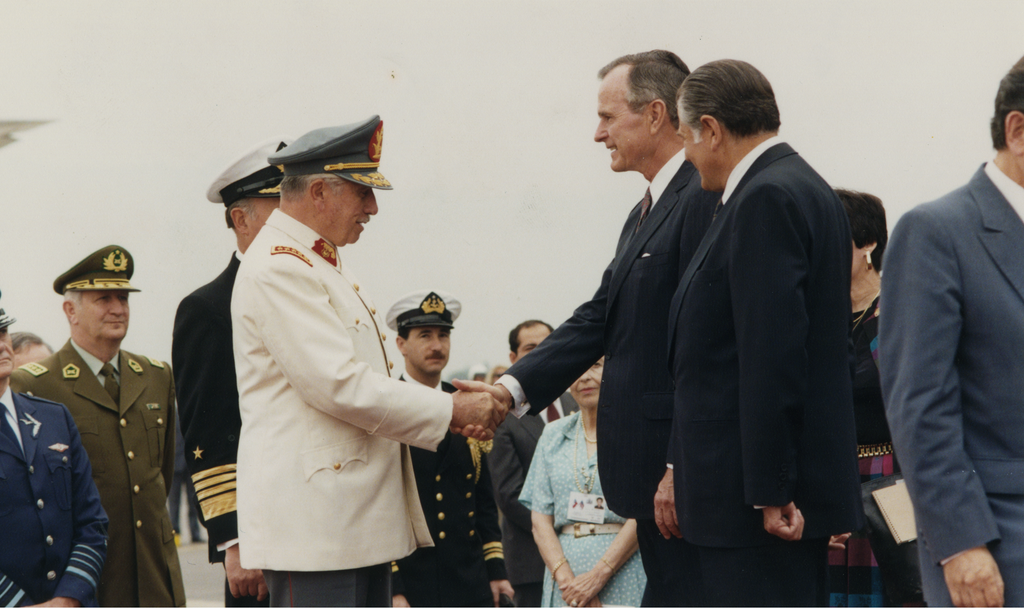
Augusto José Ramón Pinochet Ugarte (1915–2006) was a Chilean army general who became the country's de facto leader after a military coup on 11 September 1973 that overthrew President Salvador Allende, a democratically elected socialist. Pinochet headed a military junta and later served as the head of state until power was returned to civilian rule in 1990.
Image gallery
10 Images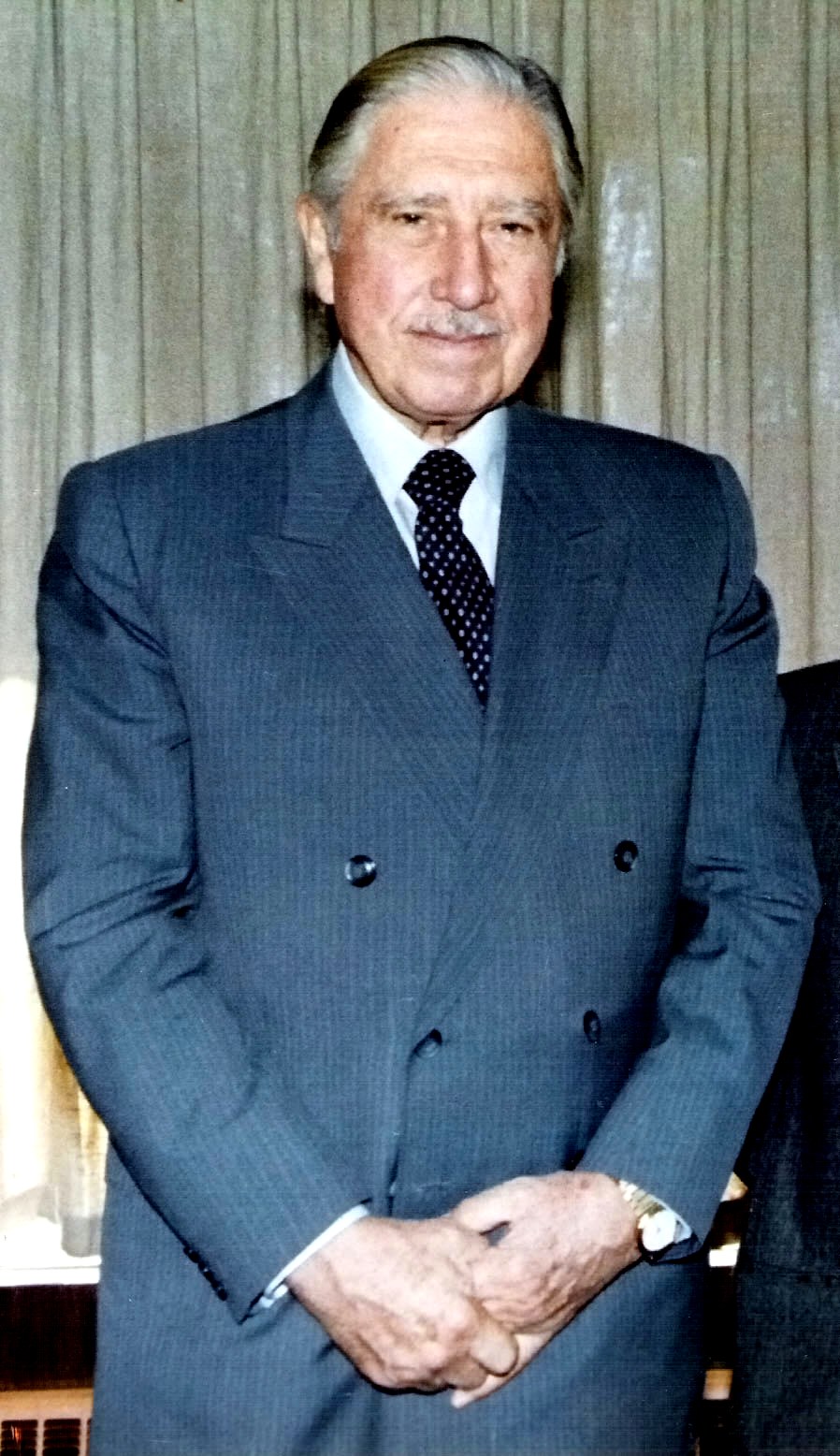



Rise to power and governance
Pinochet rose through the Chilean army and was appointed commander-in-chief shortly before the coup. After seizing power, the junta dissolved many political institutions, suspended parts of the constitution and ruled by decree. The regime centralized authority in the military leadership and implemented strict controls on political activity and the press.
Economic policy and administration
Under Pinochet, Chile adopted sweeping market-oriented economic policies advised by a group of economists often referred to as the "Chicago Boys." Reforms included trade liberalization, privatization of state-owned enterprises, deregulation and a restructured pension system. Supporters credit these changes with stabilizing inflation and attracting investment; critics point to increased inequality and social costs.
Human rights, investigations and legal aftermath
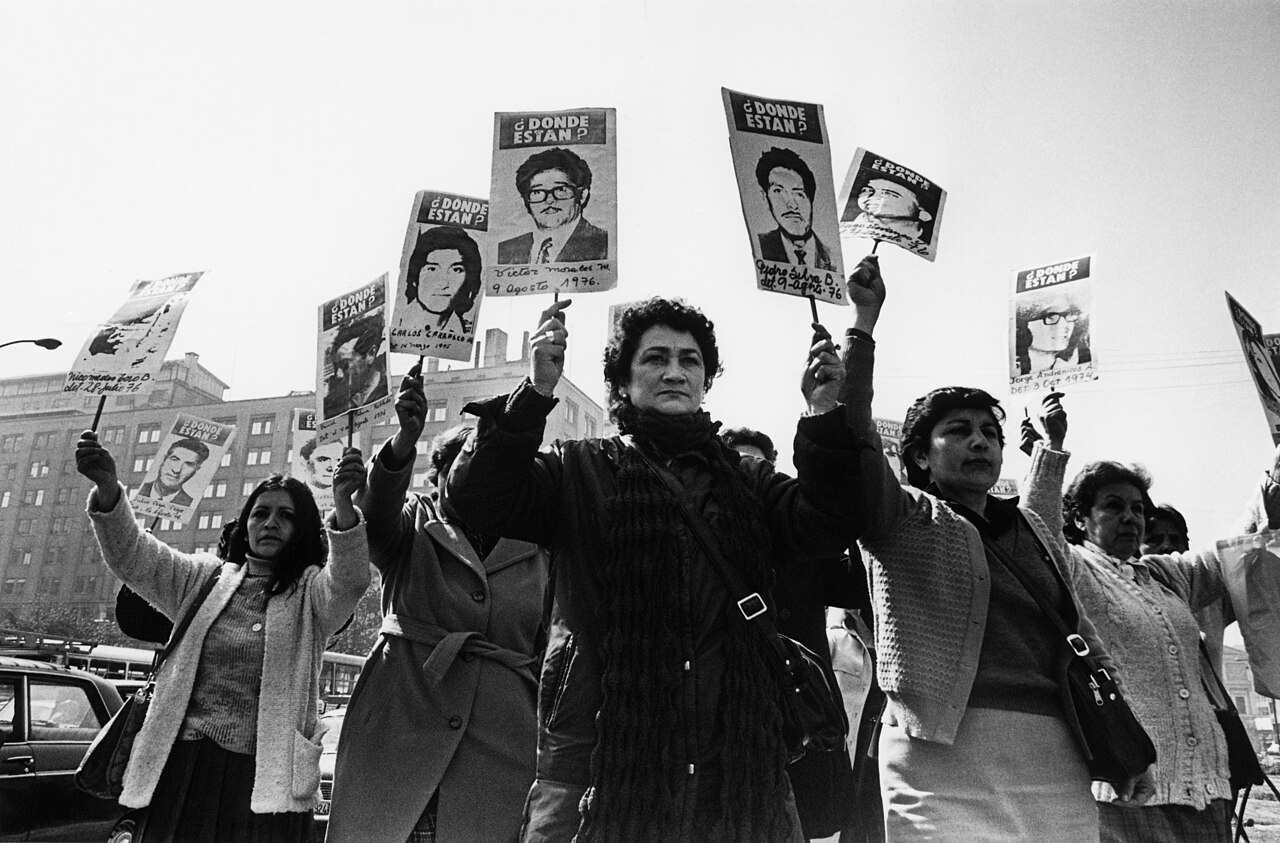
Pinochet's period in power is widely associated with systematic repression. Human rights organizations and later domestic commissions documented cases of detention, torture, executions and disappearances. After leaving office he faced domestic and international legal actions, including an arrest in the United Kingdom in 1998 under an international warrant, and multiple investigations in Chile. Commissions such as the National Commission for Truth and Reconciliation examined abuses and produced official reports.
Transition and legacy
A national plebiscite in 1988 rejected an extension of Pinochet's rule and paved the way for a return to democracy in 1990. His legacy remains deeply contested: some Chileans recall economic modernization and order, while many others emphasize the human cost and restrictions on civil liberties. The debates over Pinochet's rule continue to shape Chilean politics, historical memory and legal precedents for accountability.
Notable facts
- Led Chile from 1973 to 1990 following a military coup.
- Implemented neoliberal economic reforms that transformed Chile's economy.
- Subject of truth commissions and international legal proceedings after leaving office.
For further reading and primary-source materials, consult authoritative histories and reports produced by national commissions and international human rights organizations. More context and source material are available through specialized archives and academic studies.
Questions and answers
Q: Who was Augusto Pinochet?
A: Augusto Pinochet was a Chilean army general who led the country from 1973 to 1990.
Q: When was Augusto Pinochet born?
A: Augusto Pinochet was born on November 25, 1915.
Q: What was Augusto Pinochet's role in Chile's history?
A: Augusto Pinochet was a significant player in Chile's history, as he overthrew the socialist president Salvador Allende to come to power.
Q: How long did Augusto Pinochet lead Chile?
A: Augusto Pinochet led Chile for 17 years, from 1973 to 1990.
Q: What was the reason for Augusto Pinochet's rise to power?
A: Augusto Pinochet came to power by overthrowing the socialist president Salvador Allende.
Q: When did Augusto Pinochet die?
A: Augusto Pinochet died on December 10, 2006.
Q: How was Augusto Pinochet viewed in Chile's history?
A: Augusto Pinochet was a controversial figure in Chile's history, with some considering him a hero for his role in defeating communism, while others saw him as a violator of human rights and a dictator.
Related articles
Author
AlegsaOnline.com Augusto Pinochet — Chilean general and head of state (1973–1990) Leandro Alegsa
URL: https://en.alegsaonline.com/art/114718
Sources
- books.google.com : Failed States: The Abuse of Power and the Assault on Democracy
- elmundo.es : Muere el ex dictador Chileno Augusto Pinochet