
Cassiterite — the primary tin oxide mineral (SnO2)
Cassiterite is the chief ore of tin (SnO2). A dense, hard oxide mineral, it forms prismatic crystals and placer deposits and is the main source of metallic tin for industry and metallurgy.
Overview: Cassiterite is a tin oxide mineral with formula SnO2 that serves as the principal source of tin. It occurs both as well-formed crystals and as granular or massive material concentrated in primary veins and in alluvial placers. For a technical summary, see mineral data.
Image gallery
7 Images


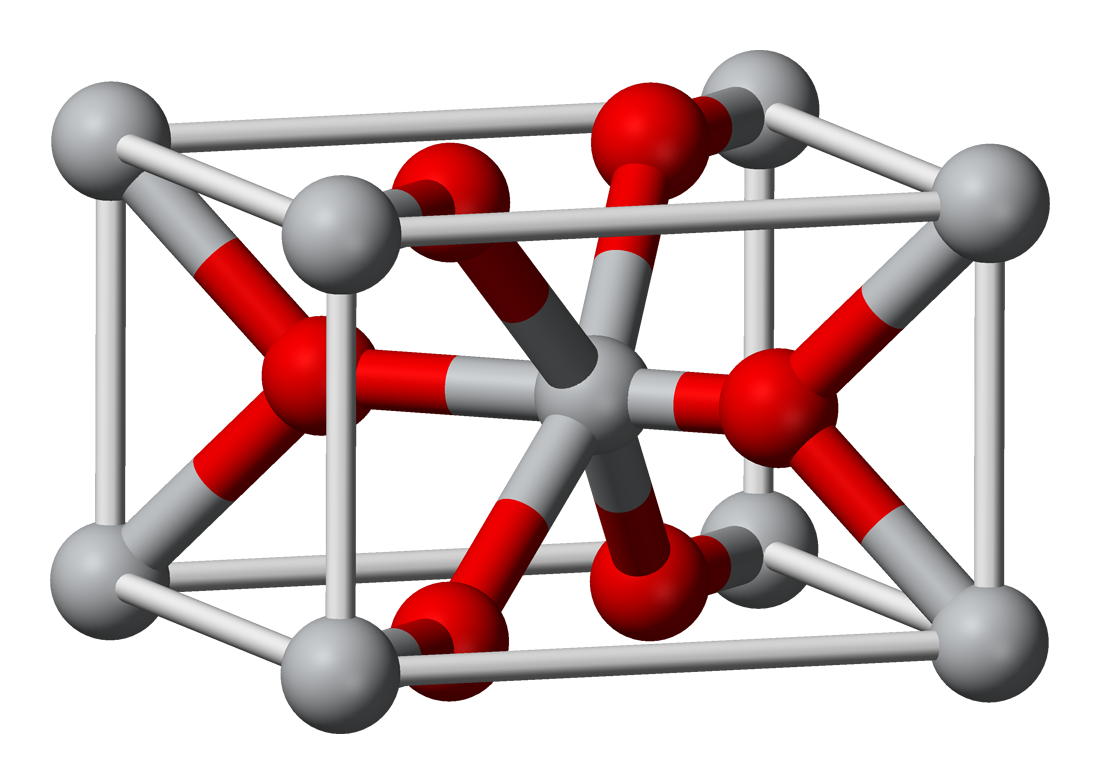


Characteristics
Cassiterite is typically hard (Mohs 6–7) and relatively dense compared with common rock-forming minerals. Its color ranges from brown, black, and yellowish to nearly colorless in rare transparent crystals. The mineral commonly shows an adamantine to submetallic luster and crystallizes in the tetragonal system, producing stubby prismatic or pyramidal crystals as well as finely granular aggregates.
- Chemical formula: SnO2 (tin dioxide)
- Hardness: 6–7 on the Mohs scale
- Habit: prismatic crystals, massive or granular
- Common colors: black, brown, red-brown, yellowish, and rare transparent varieties
Occurrence and history: Cassiterite forms in hydrothermal veins, greisen and pegmatite environments and is concentrated by weathering and erosion into placer deposits. Many historic tin mining districts, including areas of Cornwall in the United Kingdom and provinces in Southeast Asia, became important because of accessible cassiterite deposits. Over centuries this mineral has been the economic foundation for tin production in numerous regions.
Uses and economic importance
The main use of cassiterite is as the ore from which metallic tin is extracted. Tin produced from cassiterite is essential in alloys (such as bronze), in soldering, and in surface coatings and plating. While most cassiterite is processed industrially to obtain tin metal, gem-quality transparent crystals are occasionally cut and collected as rare gemstones by mineral enthusiasts.
Distinctions and notable facts: Cassiterite is often black because of impurities but can be lighter when purer. It should not be confused with other dark oxide minerals such as rutile (TiO2) or ilmenite; identification typically relies on crystal habit, density, and simple hardness tests in the field. As the primary ore of tin, cassiterite remains a strategically important mineral for many industrial applications.
Tags
Related articles
Author
AlegsaOnline.com Cassiterite — the primary tin oxide mineral (SnO2) Leandro Alegsa
URL: https://en.alegsaonline.com/art/17448