
Cave diving: exploration, risks, and scientific value
Cave diving applies scuba techniques to explore flooded caves. It requires specialized training, redundant equipment, and strict safety practices; it supports science, archaeology, mapping and recreation.
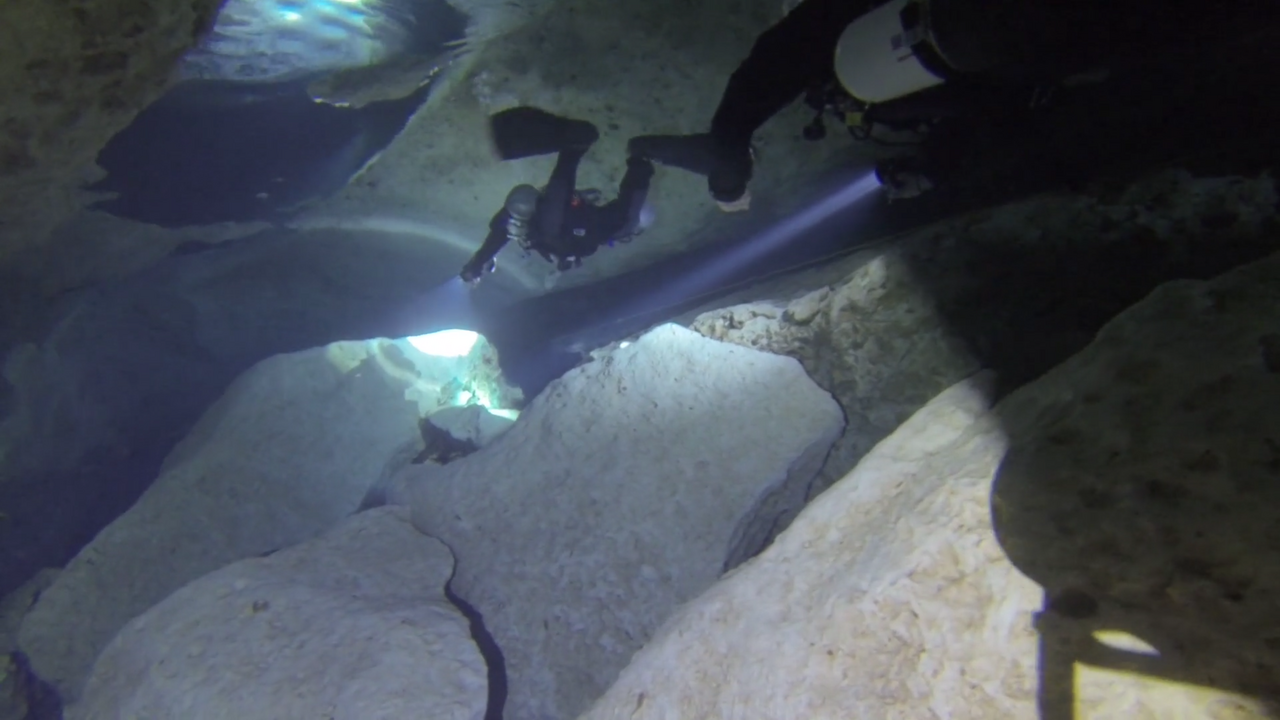
Cave diving is the practice of using scuba and related breathing systems to enter flooded, enclosed natural passages beneath the earth’s surface. Unlike open-water diving, cave diving takes place in an overhead environment where a direct ascent to the surface is not possible. Divers work in dark, restricted spaces often measured in narrow tunnels and chambers, and must manage light, air, navigation and buoyancy simultaneously.
Image gallery
9 Images




Key characteristics
Conditions in flooded caves include limited visibility, cold water, silty substrates, complex route networks and abrupt changes in passage size. To operate safely, cave divers rely on careful planning and specialized gear. Common equipment and practices include:
- Redundant breathing systems: multiple tanks or bailout systems to provide backup air supply.
- Guideline reels: a continuous line from the entrance to the work area used for orientation and exit.
- Primary and backup lights: to cope with complete darkness if one light fails.
- Appropriate exposure protection: to withstand low temperatures and abrasive surfaces.
History and development
Cave diving grew from early exploration efforts where surface access was impossible. Over decades it evolved from improvised techniques to a discipline with formal training standards, technical equipment and mapping methods. Advances in rebreathers, dive computers and underwater surveying tools have extended how far and how safely explorers can penetrate cave systems.
Uses and importance
Cave diving serves several purposes beyond recreation. It enables geological and hydrological studies, archaeological recovery, fossil hunting and biodiversity surveys. Scientists collect sediment samples, temperature profiles and specimens that reveal past climates and subterranean ecosystems. Recreational explorers also map passages and document features that would otherwise remain inaccessible.
Risks, training and best practices
Cave diving is inherently more hazardous than open-water diving because of the overhead environment and potential for disorientation. Recognized training agencies teach route marking, gas management, buoyancy control and emergency procedures. Common safety guidelines emphasize redundancy, conservative planning and strict adherence to a declared route. Rescue operations in caves are complex and often require specialized teams.
Because cave environments are fragile, many sites are restricted or require permits. Responsible cave divers minimize disturbance to sediments, preserve archaeological and paleontological remains, and share findings with researchers. For more information on basic scuba skills, see scuba diving resources; for context about the environments explored, see underwater caves; and for scientific goals such as locating fossils, consult specialist literature.
Related articles
Author
AlegsaOnline.com Cave diving: exploration, risks, and scientific value Leandro Alegsa
URL: https://en.alegsaonline.com/art/17729
Sources
- pbs.org : Nova: Extreme Cave Diving