
Cashmere wool: properties, production, history and uses
Cashmere wool is a fine, soft animal fiber from cashmere goats, prized for warmth and lightness. This article covers its characteristics, production regions, processing, uses, care and sustainability concerns.
Overview
Cashmere wool is the soft undercoat fiber harvested from the cashmere goat. It is valued for exceptional softness, insulating ability and light weight, which make it a luxury natural fiber in garments and home textiles. Because each animal yields only a limited quantity of down, cashmere commands a higher price than most other animal fibers and is frequently blended with less costly wools to improve durability and cost-efficiency.
Image gallery
9 Images



Key characteristics
- Fineness and softness: Cashmere fibers are much finer and smoother than coarse guard hairs, producing a soft hand against the skin.
- Warmth-to-weight: The down traps air efficiently, providing insulation while remaining lightweight.
- Durability and pilling: Pure cashmere is delicate and can pill; blends (for example with merino) add strength and reduce cost.
- Care needs: Items often require gentle washing or professional cleaning and careful storage to maintain loft and shape.
History and production regions
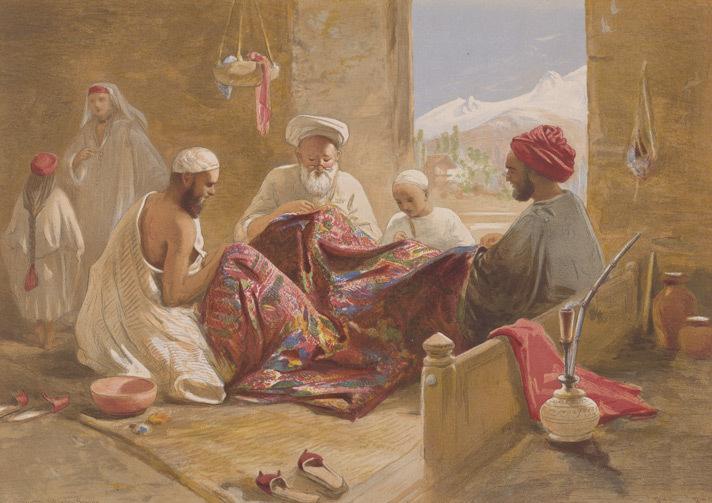
The name "cashmere" is linked to the historic Kashmir region in the Himalayas, where the fiber became prized in interregional trade. Today, major production comes from highland and cold-climate areas where goats develop thick undercoats. Significant producing regions include China, Mongolia and Iran, as well as the Pamir highlands. There are also commercial operations and larger farms outside Asia, for example in Australia, New Zealand and Scotland, where animals are managed for fiber production rather than traditional pastoral systems.
Processing and common uses
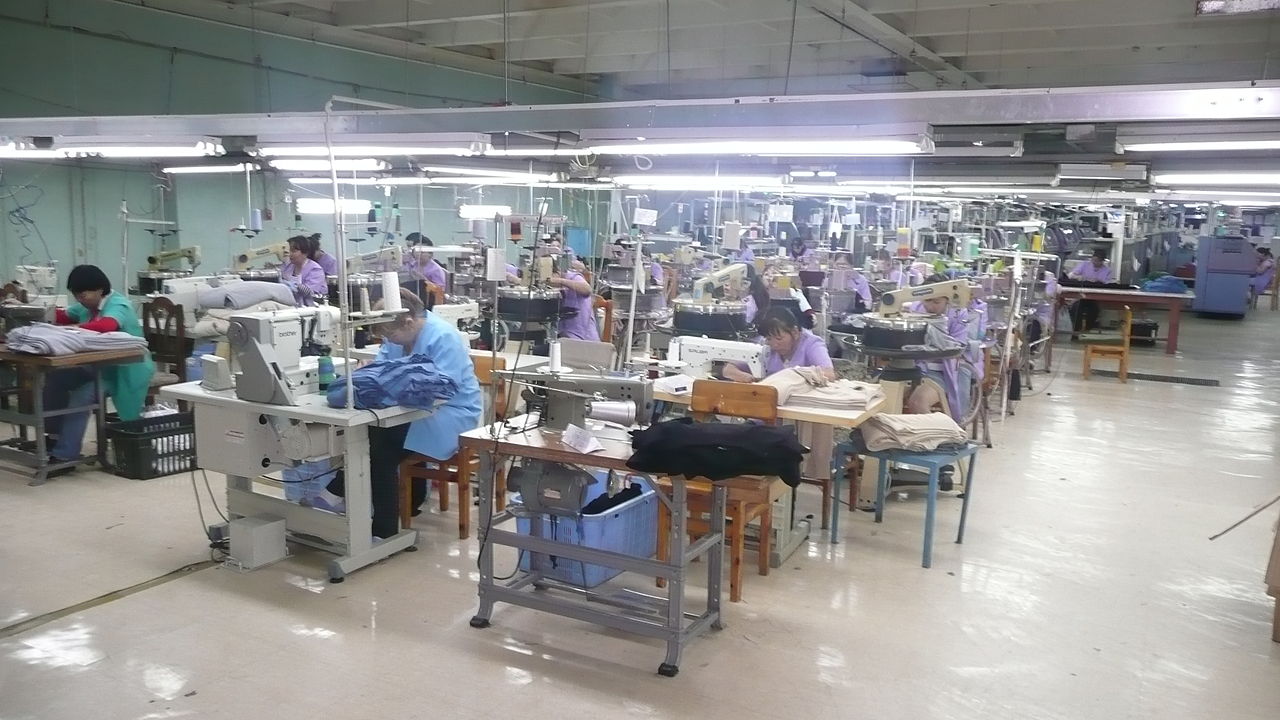
Raw fleece contains coarse guard hairs and fine underdown; processing includes dehairing to separate the desirable fine fibers, carding and spinning. Finished cashmere is used for high-end textiles such as sweaters, scarves, shawls, coats and luxury home items. Blending cashmere with other wools or synthetic fibers balances softness, strength and price.
Care, distinctions and notable facts
- Care tips: Hand wash in cool water or use a gentle cycle, reshape flat to dry, and store folded to avoid stretching. Professional cleaning is common for structured garments.
- Comparisons: Compared with ordinary wool (including merino), cashmere is typically softer and lighter for similar warmth, but less hard-wearing unless blended.
- Sustainability and welfare: Growing global demand has raised concerns about overgrazing in fragile rangelands and animal welfare; certified and traceable supply chains are increasingly important to consumers and brands.
For shoppers and makers, understanding origin, fiber content and supplier transparency helps balance expectations about price, performance and environmental impact when choosing cashmere products.
Related articles
Author
AlegsaOnline.com Cashmere wool: properties, production, history and uses Leandro Alegsa
URL: https://en.alegsaonline.com/art/17404