
Changing room (dressing room and fitting room)
Room used for changing clothes—includes retail fitting rooms, sports locker rooms, theatre dressing rooms and single-occupancy stalls. Covers types, features, history, uses, accessibility and safety.
Overview
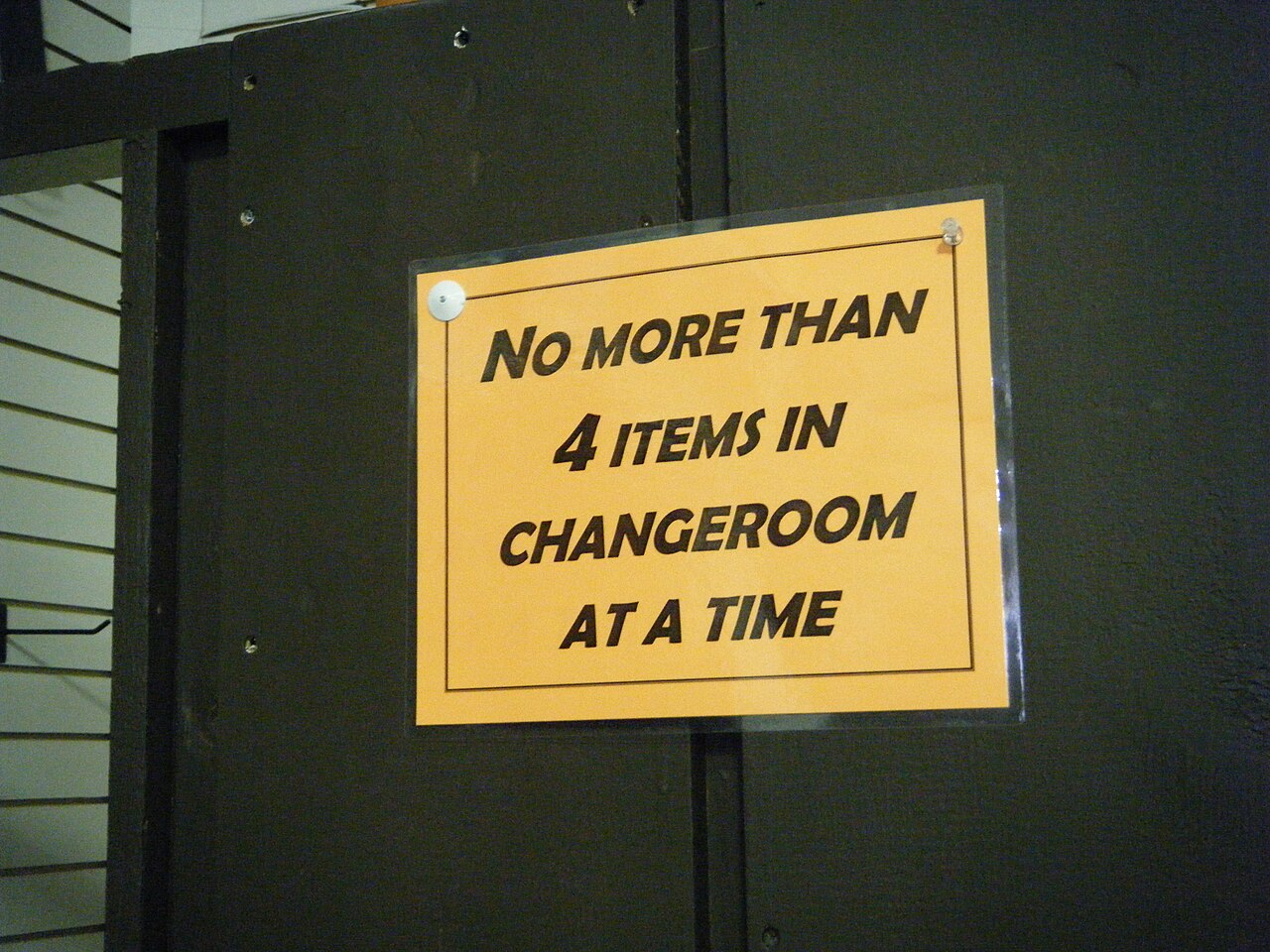
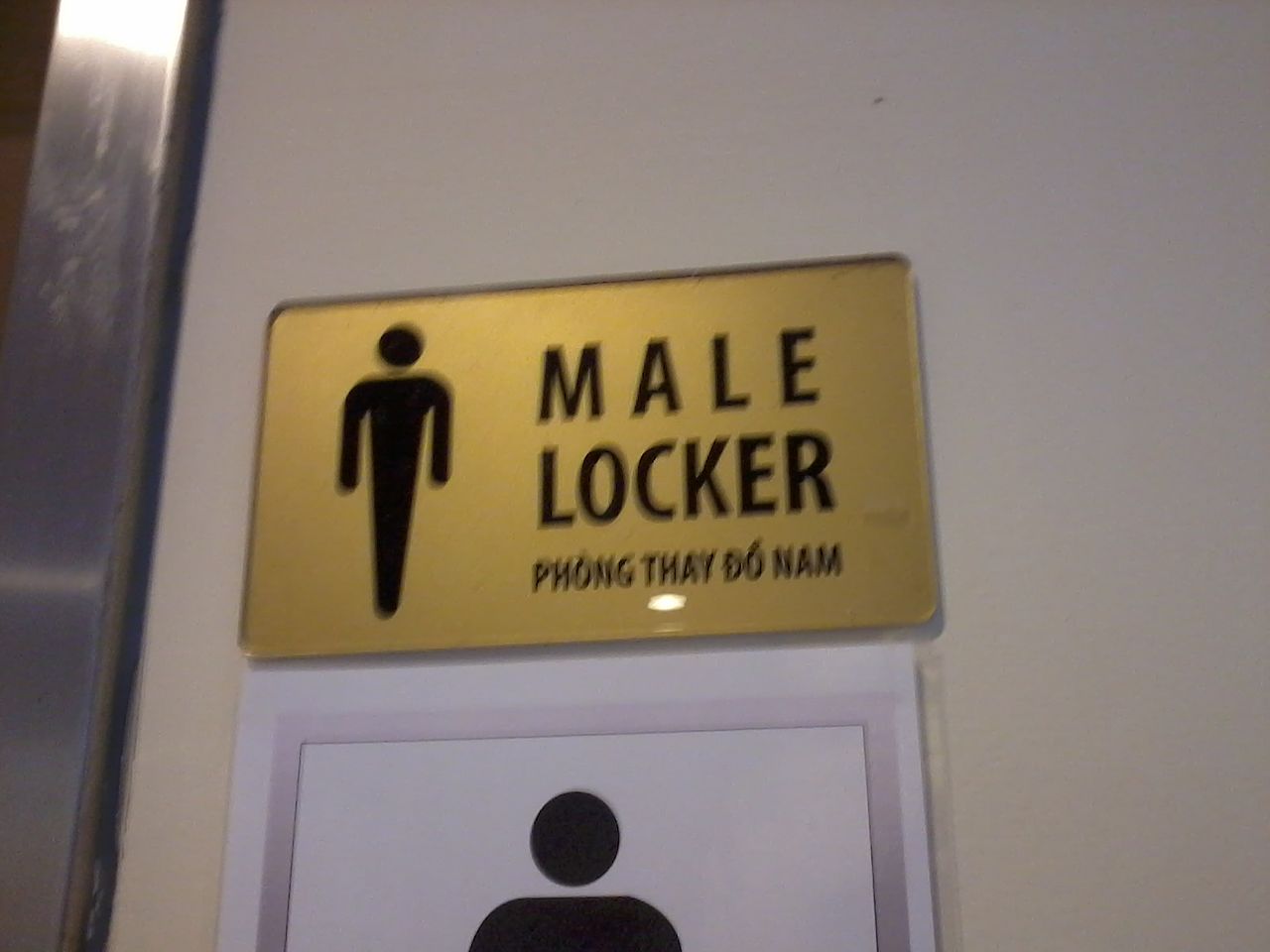
A changing room is a space designated for removing or putting on clothing. Such rooms appear in many settings: clothing stores (often called fitting rooms), gyms and sports centres (locker rooms), swimming pools, theatres and workplaces where uniforms are worn. They range from single-occupancy cubicles to large communal areas and may be separated by gender, provided as unisex rooms, or organised as family/accessible units.
Image gallery
10 Images



Types and common features
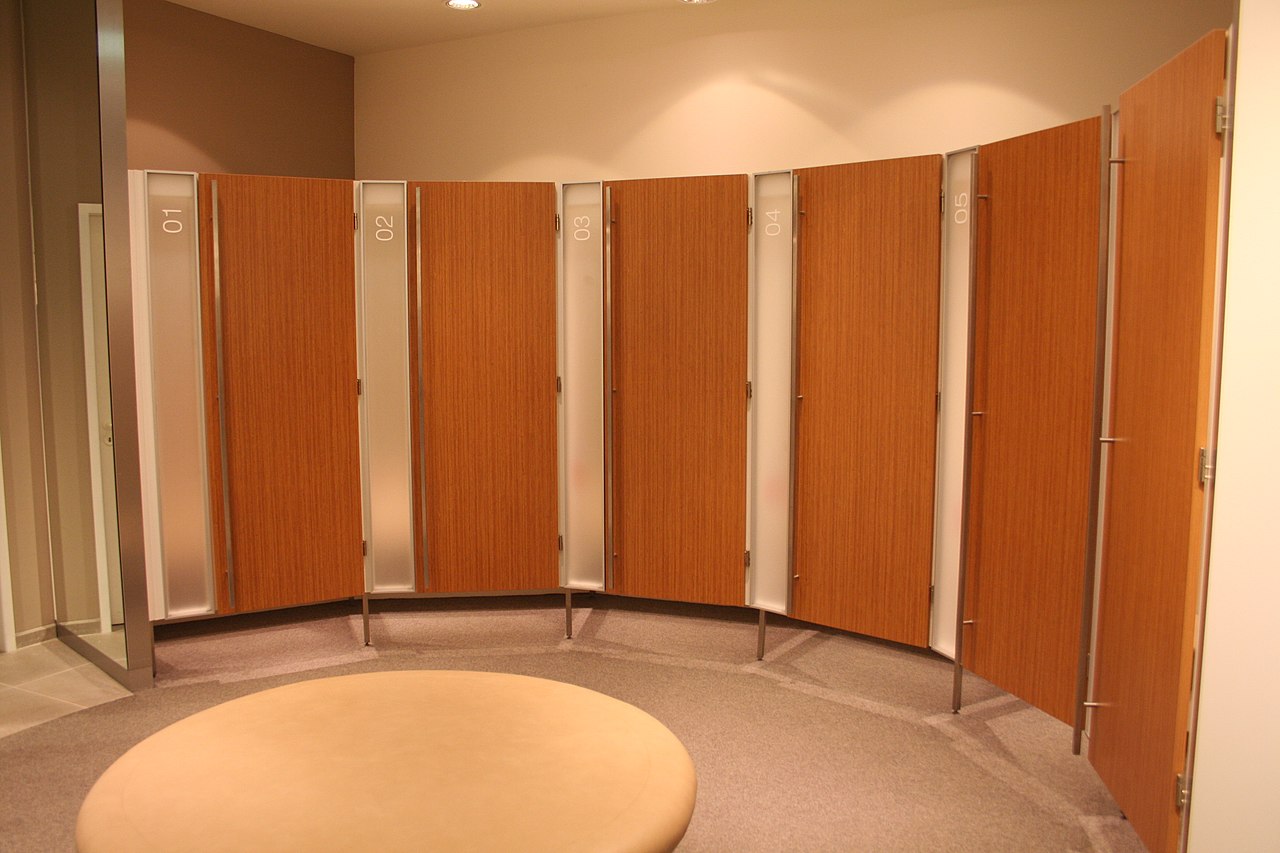
Changing rooms differ by purpose and design, but share common elements intended to aid privacy and convenience. Typical features include benches or seating, mirrors, hooks or hangers, shelves, partitions or curtains, locks on doors, and lighting suited for examining garments. Sports or gym locker rooms often include lockers, showers and restroom facilities; retail fitting rooms prioritise mirrors and garment storage.
History and development
Designated areas for changing clothing have existed wherever social or practical needs required them, for example in bathing complexes, performance venues and military contexts. Over time, the function and layout have evolved with changing social norms, commercial retail practices and building regulations, leading to a wider variety of private and shared arrangements.
Uses, social aspects and regulations
Changing rooms serve practical and social functions: they enable customers to assess fit, allow athletes to prepare and recover, and provide privacy in public facilities. They are also subject to legal and policy considerations about gender separation, privacy, CCTV use and anti-harassment measures. Many venues now offer family or gender-neutral rooms to accommodate diverse needs.
Design, safety and accessibility
Contemporary design balances privacy, safety and accessibility. Accessible changing areas include wider stalls, grab bars and adult-sized changing tables; clear signage and sightline rules address safety and privacy concerns. For more general guidance on facilities and standards, see related guidance.
Notable distinctions
- Retail fitting rooms: focused on garment evaluation and usually single-purpose cubicles.
- Locker/sports rooms: larger, with storage, showers and communal space.
- Theatre dressing rooms: personalised spaces for performers, often equipped with makeup mirrors and costume storage.
Understanding these variations helps in planning, regulation and everyday use of changing facilities across public and private spaces.
Tags
Related articles
Author
AlegsaOnline.com Changing room (dressing room and fitting room) Leandro Alegsa
URL: https://en.alegsaonline.com/art/18556