
Cane (walking aid and walking stick)
A cane is a hand-held support used while walking. This article describes its purpose, common materials, parts, types, history, fitting and distinctions from related aids.
A cane is a hand-held staff used to assist balance, reduce weight on a lower limb, or provide tactile feedback while walking. People rely on canes for short-term recovery, chronic mobility limitations, or as a preventative aid for instability. A cane differs from crutches and walkers by offering a single-point support that is easy to carry and position.
Image gallery
4 Images


Materials and components
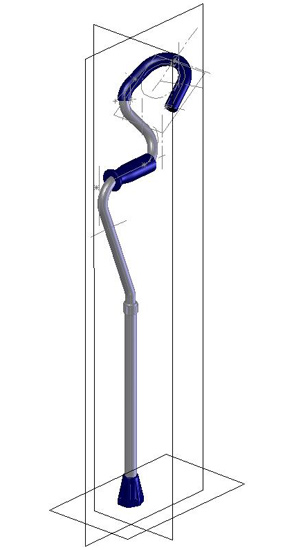
Canes are traditionally made from wood and also from metals such as aluminum or steel; modern examples use carbon fiber and composites for lightness and strength. Typical parts include the handle (or grip), the shaft, and the ferrule or tip that contacts the ground. Many designs add a wrist strap or a rubberized base for improved grip.
Common types
Designs vary to suit user needs and preferences. Common categories include:
- Standard single-point canes with a curved or ergonomic handle.
- Quad canes with a four-point base for extra stability.
- Folding canes that collapse for storage and travel.
- Specialized hiking or tripod canes designed for uneven terrain.
History and cultural roles
Walking sticks and canes have a long history as practical aids and as items of fashion or authority. Beyond mobility, canes have been used as accessories, status symbols, and ceremonial objects in many cultures. Over time designs shifted from ornamental wooden styles to engineered mobility devices focused on safety and ergonomics.
Use, fitting and safety
Proper selection and adjustment help maximize benefit. A cane should be fitted so the user’s elbow is slightly bent when holding the grip and the tip contacts the ground near the toes. Users are typically instructed to hold the cane in the hand opposite a weaker leg to improve balance. Rubber tips and routine inspection reduce slip risk; some users need foot orthotics or referral to a healthcare professional for a long-term solution.
Distinctions and further reading
The words cane and walking stick overlap but often imply different emphasis: "cane" usually denotes a device used primarily for mobility support, while "walking stick" may emphasize outdoor use or style. For practical guidance and suppliers, see general mobility resources such as mobility guides and material comparisons at specialist sites. For design and procurement, clinicians and occupational therapists offer assessments tailored to individual needs.
Related articles
Author
AlegsaOnline.com Cane (walking aid and walking stick) Leandro Alegsa
URL: https://en.alegsaonline.com/art/16541