
Candida albicans: biology, clinical importance, and management
Candida albicans is a common yeast that lives on mucous membranes and skin and can cause superficial and systemic infections; this article covers its biology, detection, treatment, and prevention.
Overview
Candida albicans is a species of yeast in the genus Candida that commonly inhabits the human mouth, gut and genitourinary tract as part of the normal microbiota. It is an opportunistic pathogen: when ecological balance or host defenses change, C. albicans can overgrow and cause candidiasis, which ranges from superficial conditions such as oral thrush and vulvovaginal candidiasis to invasive bloodstream infections in immunocompromised people. For basic laboratory guidance see microscopy and culture methods.
Image gallery
10 Images




Morphology and biology
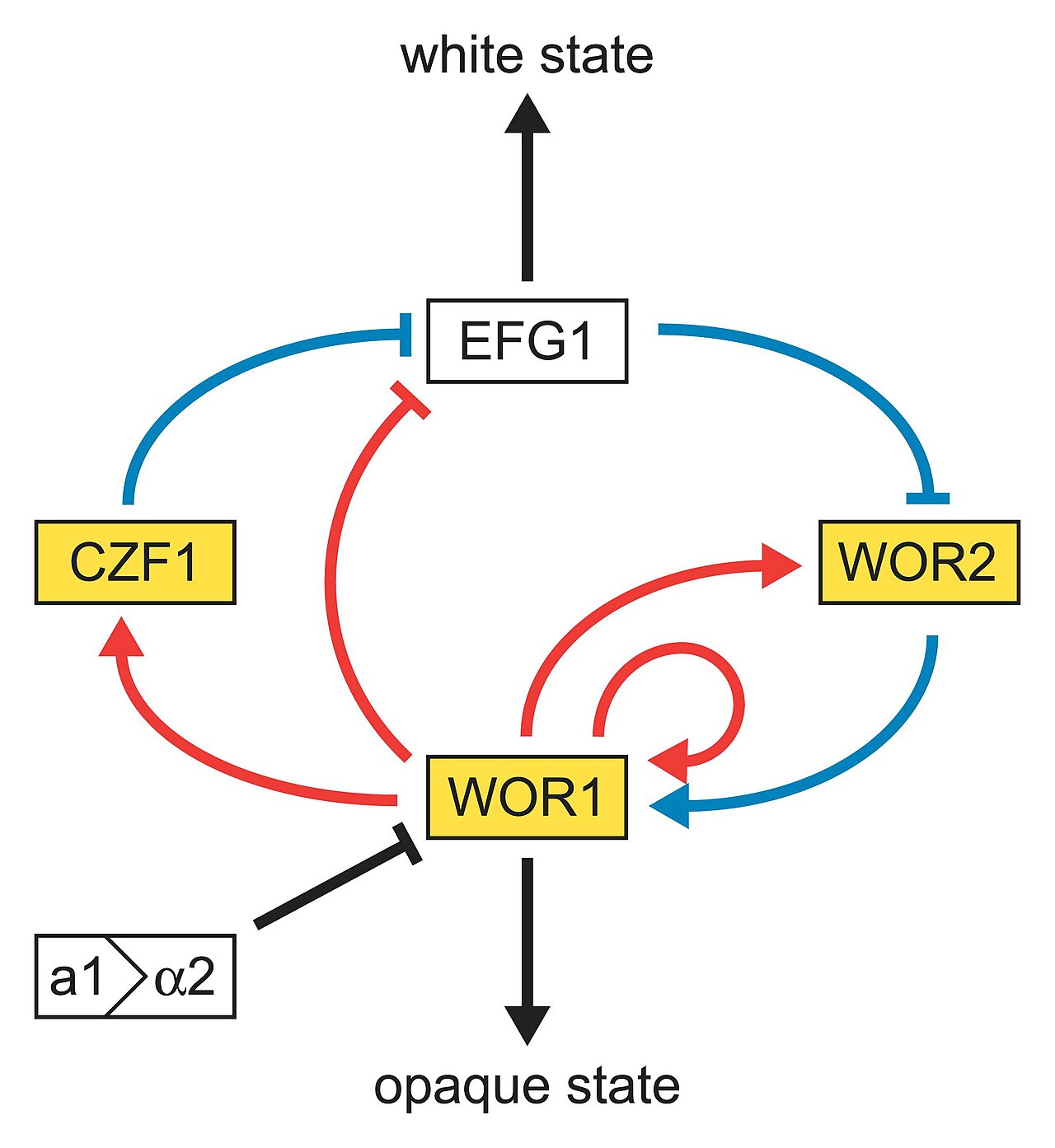
C. albicans is capable of multiple growth forms: budding yeast, pseudohyphae and true hyphae. This morphological flexibility supports colonization, tissue invasion and biofilm formation. The organism expresses adhesins and secretes hydrolytic enzymes that aid attachment and nutrient acquisition. It is commonly detected in healthy individuals and exists in dynamic equilibrium with other members of the microbiota; for broader context consult resources on the human microbiome: gut and oral flora.
Clinical significance
Superficial infections include oral thrush, esophageal candidiasis, intertrigo and vaginal yeast infections. In healthcare settings, C. albicans frequently forms biofilms on devices such as central venous catheters and prosthetic implants, contributing to persistent or recurrent infection. Invasive candidiasis occurs when the fungus enters the bloodstream and can cause organ involvement, a serious risk especially in people with neutropenia, HIV, diabetes, or those receiving broad-spectrum antibiotics or corticosteroids. For infection control information see clinical infection guidance.
Diagnosis and treatment
Laboratory identification relies on direct microscopy, culture, and tests that detect characteristic features (for example the germ-tube test) or use chromogenic media and molecular assays. Treatment choice depends on site and severity: topical antifungals are used for many mucosal infections, while systemic agents — chiefly azoles (eg, fluconazole), echinocandins and amphotericin B formulations — treat more severe or resistant cases. Antifungal stewardship and susceptibility testing are important where resistance is suspected; see therapeutic resources.
Prevention and notable features
- Risk factors: antibiotic use, high blood sugar, immunosuppression, pregnancy and indwelling medical devices.
- Biofilms: surface-associated communities that are tolerant of antifungals and host defenses, complicating device-associated infections.
- Control measures: good oral and catheter care, careful antibiotic prescribing, and prompt management of underlying conditions reduce risk.
Taxonomy and history
The name derives from Latin candidus, meaning "white," a reference to white lesions seen in mucosal infections. C. albicans has long been recognized as both a commensal and a pathogen; modern molecular tools continue to clarify its population structure, virulence mechanisms and interactions with the host and other microbes. For summaries and clinical reference material see diagnostic summaries and laboratory protocols. Additional clinical guidance and research resources are available at microbiome and infectious disease portals and infection control sites.
Related articles
Author
AlegsaOnline.com Candida albicans: biology, clinical importance, and management Leandro Alegsa
URL: https://en.alegsaonline.com/art/16514